
If you’ve spent any time on social media recently, you’ve likely noticed a surge of enthusiasm around peptides, with influencers injecting these compound “stacks” with the casualness of taking a daily multivitamin. Promised benefits range from rapid joint and gut healing to supercharged fat loss, wrinkle reduction, and deeper sleep.
And most of us know someone using a peptide, whether by prescription or for general wellness. In fact, D2D’s founder, Lucy Stitzer, recently strained her knee and when multiple therapies didn’t take, her doctor prescribed BPC-157 peptide injections. After four days, Lucy starting running again.
Anecdotes aside, our mission at Dirt to Dinner is clear: we believe in cutting through marketing hype by looking at health through peer-reviewed, science-based findings.
So, here’s what we’re covering:
- What are peptides? And how are they made?
- Which peptides are safe…if any?
- Can our daily dietary habits deliver similar health benefits?
What is a Peptide?
Most of us are familiar with proteins, which are long, complex chains of hundreds or thousands of amino acids. Peptides are simply shorter chains of amino acids, typically linking anywhere from 2 to 50 amino acids together with peptide bonds.
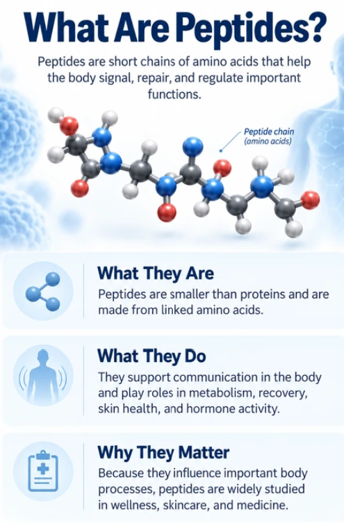 Because of their smaller size, peptides act as specialized cellular signaling molecules, sending microscopic text messages to inform specific cells how to behave. These messages are tailored to what our body needs at a given moment, like releasing more insulin to process blood sugar, building collagen in a damaged area of the skin, and initiating tissue repair in a strained muscle.
Peptides are not a new discovery. Human bodies naturally produce thousands of distinct peptides to regulate nearly every biological process, from glucagon for energy levels to glutathione for oxidative stress.
In medicine, therapeutic peptides have a long and distinguished history. The milestone occurred in 1922 with the isolation of insulin, a 51-amino-acid peptide that revolutionized diabetes treatment.
Over the past century, pharmaceutical scientists have synthesized dozens of FDA-approved peptide medications, including oxytocin (reproductive functioning), teriparatide (osteoporosis), and most recently, GLP-1 and GIP receptor agonists for diabetes and weight management.
The Hype around Peptides
If peptides have been used in medicine for a century, why the sudden explosion in consumer interest?
Historically, peptide administration required a prescription and was reserved for specific medical diagnoses. However, over the past few years, wellness clinics, medical spas, and online forums have brought unapproved peptides directly to consumers.
Longevity-oriented social media channels and podcasts, like The Huberman Lab, The Peter Attia Drive, and The Tim Ferriss Show, have amplified specific peptides and combinations, often referred to as “stacks” or “protocols”, and many of us have grown curious. (Competitive athletes, beware: many of these peptides are prohibited under current World Anti-Doping Agency rules.)
Here are the most common ones:
- The “Wolverine Stack” (BPC-157 + TB-500): marketed to athletes, runners, and lifters for rapid tendon, ligament, and gut repair.
- The “Glow Protocol” (GHK-Cu): praised by beauty influencers for firming skin, reducing hyperpigmentation, and stimulating hair growth.
- Growth Hormone Secretagogues (CJC-1295, Ipamorelin, Sermorelin): stimulates the pituitary gland to release natural pulses of growth hormone for lean muscle growth, fat loss, and restorative sleep.
- GLP-1 and GIP Receptor Agonists: unlike the FDA-approved indications prescribed for specific metabolic conditions, off-label uses of semaglutide and tirzepatide in wellness communities use so-called “microdosing” strategies beyond established indications
- MOTS-C: popular for breaking weight loss plateaus, improving insulin sensitivity, and boosting mitochondrial energy production
- Epitalon & Pinealon: theoretically extends cellular replicative lifespan and resetting circadian rhythms
- Melanotan II: dubbed the “Barbie drug” for inducing dark, cosmetic tans with minimal UV exposure, while suppressing appetite and increasing libido
- Tesamorelin: though FDA approved to treat HIV-associated visceral fat, the trending off-label version is used in anti-aging circles for its highly specific ability to target and burn stubborn visceral belly fat
While these claims sound enticing, navigating the marketplace requires understanding how these compounds are manufactured, sold, and regulated.
How Are Peptides Created & Distributed?
Synthetic peptides are primarily created through a chemical manufacturing process known as Solid-Phase Peptide Synthesis. Scientists link specific amino acids together in exact sequential order to match or modify natural biological signals.
Because these are delicate chains, manufacturing high-purity peptides requires specialized facilities with strict cleanroom environments, sterile processing, and advanced purification techniques like High-Performance Liquid Chromatography.
The consumer supply chain in the U.S. currently splits into three distinct avenues:
- FDA-Approved Pharmaceuticals: Produced by regulated pharmaceutical manufacturers following strict Current Good Manufacturing Practice (cGMP) standards, available solely by prescription through licensed pharmacies.
- Compounding Pharmacies: These state-licensed facilities prepare customized medications prescribed by doctors. Though ingredients are sourced from FDA-registered facilities, the drugs dispensed are not FDA approved, due to their customized composition.
- The “Research Chemical” Gray Market: Unregulated online vendors selling synthetic powders or liquid vials imported from overseas chemical suppliers. To bypass federal drug laws, these websites label their products with disclaimers such as “For Research Chemical/Laboratory Use Only” and “Not for Human Consumption.” Despite these labels, many consumers buy and inject them at home without medical supervision or purity verification.
FDA Oversight & Safety Concerns
A common misconception among consumers is that if a wellness clinic or online vendor sells a peptide, it must be safe or government approved. In reality, the U.S. Food and Drug Administration (FDA) regulates any peptide intended to treat, cure, or modify bodily functions as a prescription drug.
To protect public safety, the FDA maintains strict oversight regarding what bulk substances compounding pharmacies are legally permitted to prepare. Currently, it is not permissible for U.S. compounding pharmacies to produce several popular wellness peptides for human administration, like BPC-157, CJC-1295, and TB-500. (Note: as of publication, several prohibited peptides will be reviewed for compounding by the FDA in 2027.)
Even if the FDA greenlights a wellness injectable for compounding (like semaglutide, tirzepatide and sermorelin), it’s still not the same as full FDA approval, which requires years of rigorous clinical trials.
But how are some people getting their hands on these non-permissible peptides? Most come from overseas: non-U.S. compounding pharmacies often fill the demand gap by directly working with and shipping to U.S. physicians.
But demand is also being met by questionable practices. In fact, in response to the demand for these wellness peptides, the FDA has issued dozens of warning letters to telehealth companies and vendors making unapproved health claims or marketing research-grade injectables for human use.
These warning letters and compounding restrictions are in place for good reason: the FDA cited significant safety concerns, including risks of immunogenicity – the potential for the immune system to form antibodies against synthetic peptides or the body’s own natural proteins).
Other noted issues include unknown chemical impurities, lack of standardized dosing, bacterial endotoxins, aggregation, errors in peptide composition, and potential cardiotoxicity or tumor promotion.
What Does the Peer-Reviewed Science Show?
When assessing peptide research, it helps to distinguish between two completely different categories of evidence: FDA-approved clinical medications and experimental wellness peptides.
The Gold Standard: FDA-Approved Peptides
FDA-approved peptides distributed directly from the pharmaceutical company, like GLP-1s, and insulin, are supported by large-scale, double-blind human clinical trials with over 10,000+ patients. They are also approved with an intended use; for instance, GLP-1s are approved for diabetes and weight loss management, but not for long-term cognitive benefits.
And because of the extensive Phase III clinical trials, the peptides’ mechanisms, side effect profiles, long-term safety, and dosages are thoroughly documented in peer-reviewed medical literature.
Preclinical Promise vs. Human Proof: Experimental Peptides
In contrast, popular wellness peptides, like BPC-157, TB-500, CJC-1295, are supported primarily by preclinical animal studies, cell dishes, and anecdotal reports.
A comprehensive review of 565 studies published by researchers at UCLA Health examined several popular unapproved consumer peptides (BPC-157, TB-500, CJC-1295, ipamorelin, and GHK-Cu). The findings were eye-opening:
- Over two-thirds (68%) of all published studies were conducted exclusively in animals or cell culture dishes.
- The sparse human research that did exist was generally small-scale, short-term, or of low methodological quality.
Furthermore, in a report released by the Hospital for Special Surgery, a systematic review confirms that 35 out of 36 published BPC-157 studies are in animal or cell models, validating that human clinical proof is still severely limited.
In medical science, what speeds up cell growth or tendon repair in a laboratory petri dish or a lab rat does not automatically make it safe for human injections.
The Solution? Eat to Support These Biological Pathways
The good news? You don’t need to navigate regulatory gray markets or injectable compounds to support cellular repair, tissue recovery, and metabolic health.
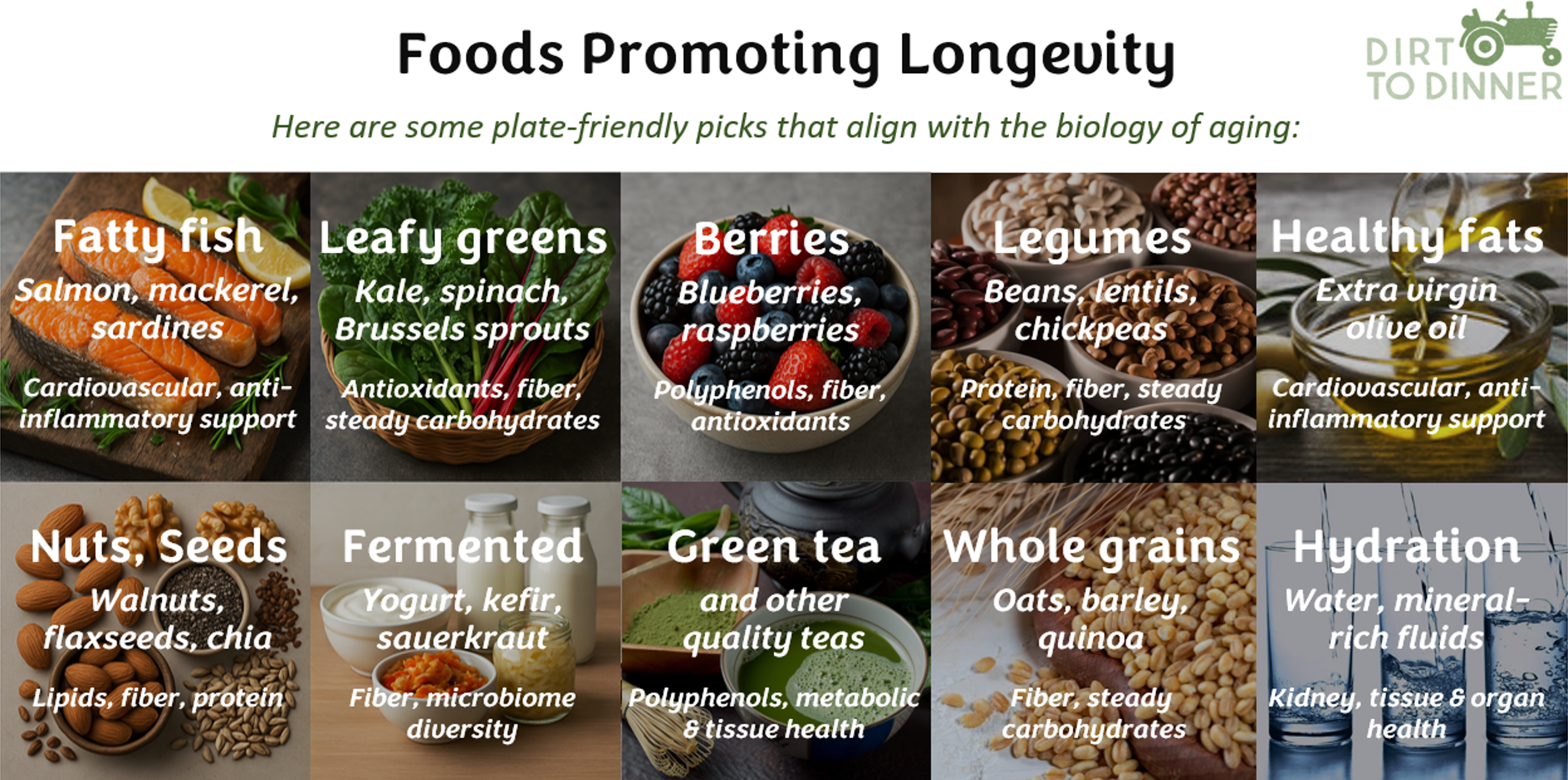
Your body is already an expert at manufacturing its own signaling peptides—and the raw materials to support these biological pathways come directly from a nutrient-dense, whole-food diet.
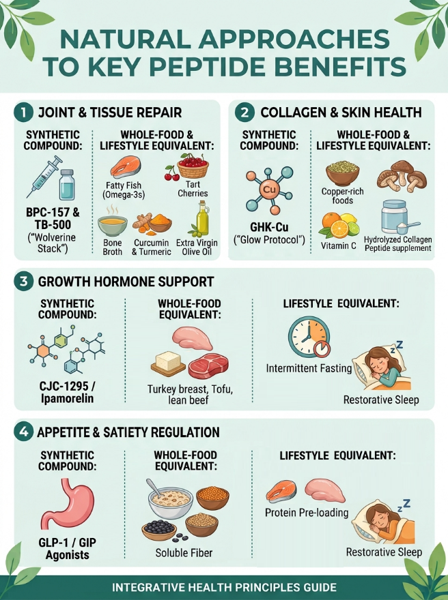
Here is how strategic, everyday food choices can naturally stimulate the key biological pathways targeted by trendy peptides:
Reducing Inflammation & Supporting Tissue Repair
BPC-157 is sought after for its potential to calm systemic inflammation and speed tissue healing. You can activate similar anti-inflammatory signaling cascades through food:
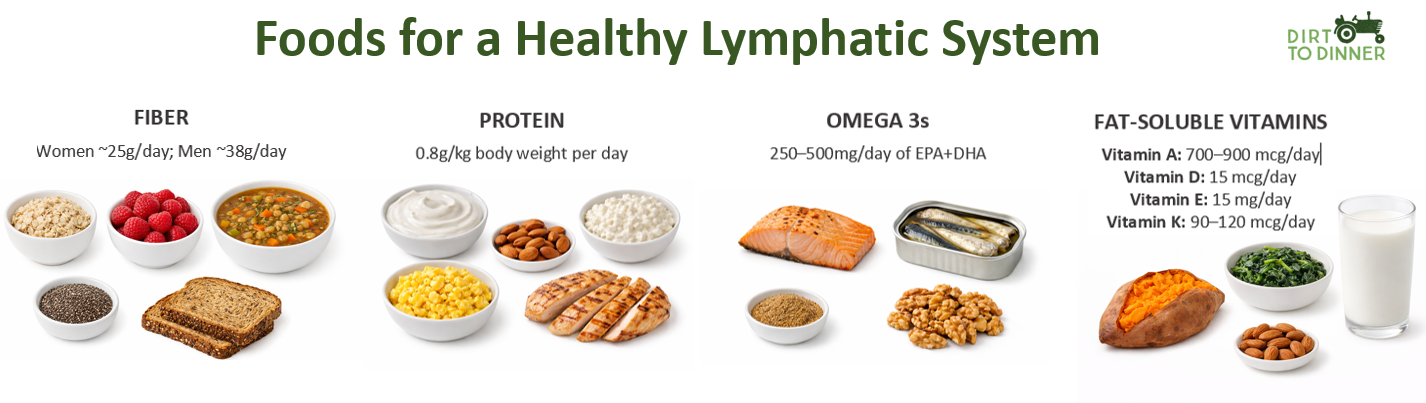
- Wild Fatty Fish (Omega-3 Fatty Acids): Cold-water fish, like salmon, sardines, and mackerel provide EPA and DHA. Your body converts these essential fats into signaling molecules that instruct the immune system to turn off inflammatory pathways and begin tissue repair.
- Curcumin & Tart Cherry Anthocyanins: Concentrated polyphenols found in turmeric and tart cherries inhibit inflammatory enzymes, helping to ease post-workout joint and muscle soreness.
- Bone Broth & Gelatin: Rich in glycine, proline, and hydroxyproline, these provide building blocks your body uses for tissue maintenance in the gut.
Fueling Collagen & Skin Elasticity
GHK-Cu works by binding copper to stimulate collagen and elastin production in the skin.
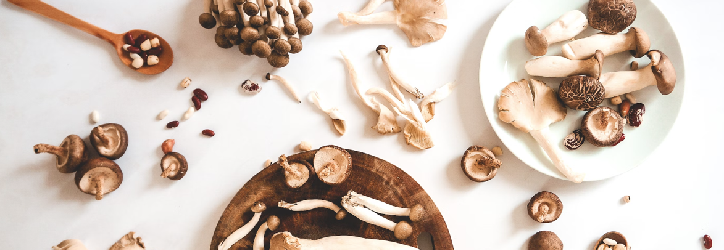
- Copper-Rich Foods: Mushrooms, pumpkin seeds, sesame seeds, dark chocolate, and shellfish supply the essential mineral copper needed for lysyl oxidase—an enzyme that cross-links collagen fibers.
- Vitamin C & Citrus: Vitamin C is an essential cofactor for collagen synthesis. Pairing copper-rich foods with bell peppers, citrus, or strawberries naturally drives collagen production from within.
- Dietary Bioactive Collagen Peptides: Unlike unproven injectables, oral hydrolyzed collagen peptides are supported by multiple human clinical trials showing improvements in skin hydration and joint comfort.
Promoting Natural Growth Hormone Signals
Growth hormone secretagogues, like CJC-1295 & ipamorelin, prompt the pituitary gland to release endogenous growth hormone. You can support this pulse naturally:
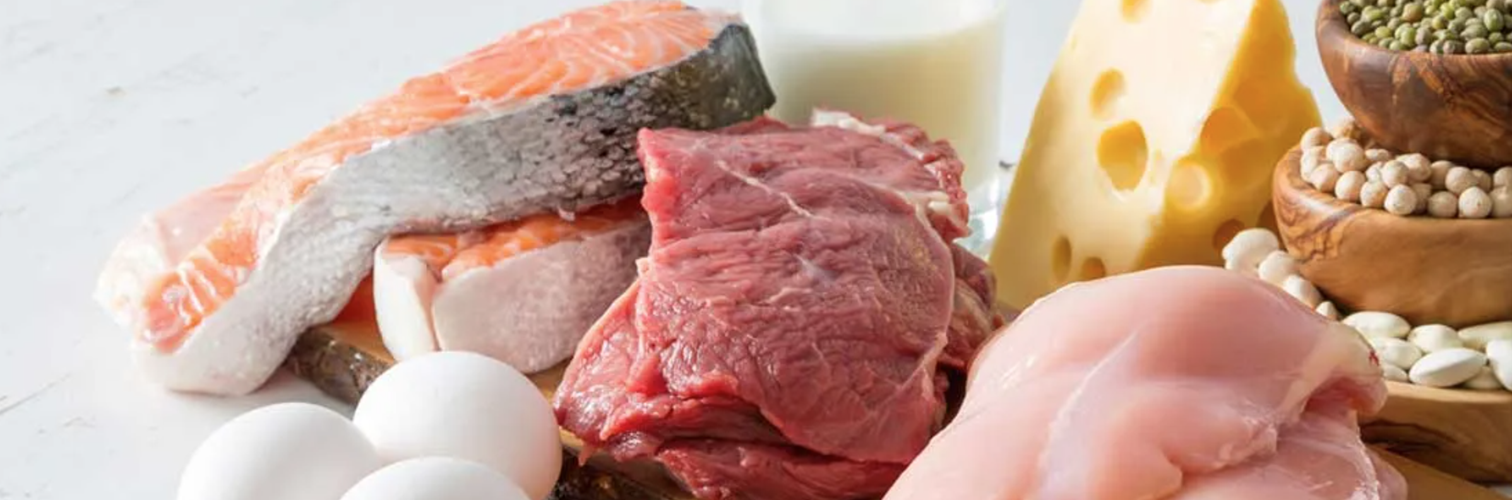
- Dietary Amino Acids (Arginine, Glutamine, Lysine): Lean poultry, eggs, dairy, fish, and legumes supply key amino acids that can naturally trigger pituitary hormone secretion.
- Prioritizing Deep Sleep: Up to 70% of your body’s daily growth hormone is released in natural pulses during deep, non-REM slow-wave sleep.
- Strategic Fasting Windows: Intermittent fasting, coupled with spacing meals 3 to 4 hours apart,naturally optimizes growth hormone secretion without disrupting baseline endocrine balance.
Activating Natural Satiety Signals
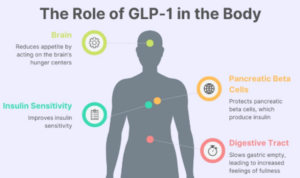
Prescription GLP-1 medications mimic gut hormones that slow digestion and signal fullness to the brain. Your gut cells produce endogenous GLP-1 naturally in response to specific nutrients:
- Soluble Fiber & Resistant Starch: Oats, barley, lentils, beans, chia seeds, and cooked-and-cooled potatoes are fermented by beneficial gut bacteria into short-chain fatty acids that bind to the lower intestine, directly triggering the release of natural GLP-1 satiety hormones.
- Protein & Healthy Fat Pre-loading: Consuming protein (like eggs or Greek yogurt) or healthy fats (like avocado or almonds) 15 to 20 minutes before a meal slows gastric emptying and stimulates natural GLP-1 release, helping curb overeating and stabilizing blood sugar spikes.





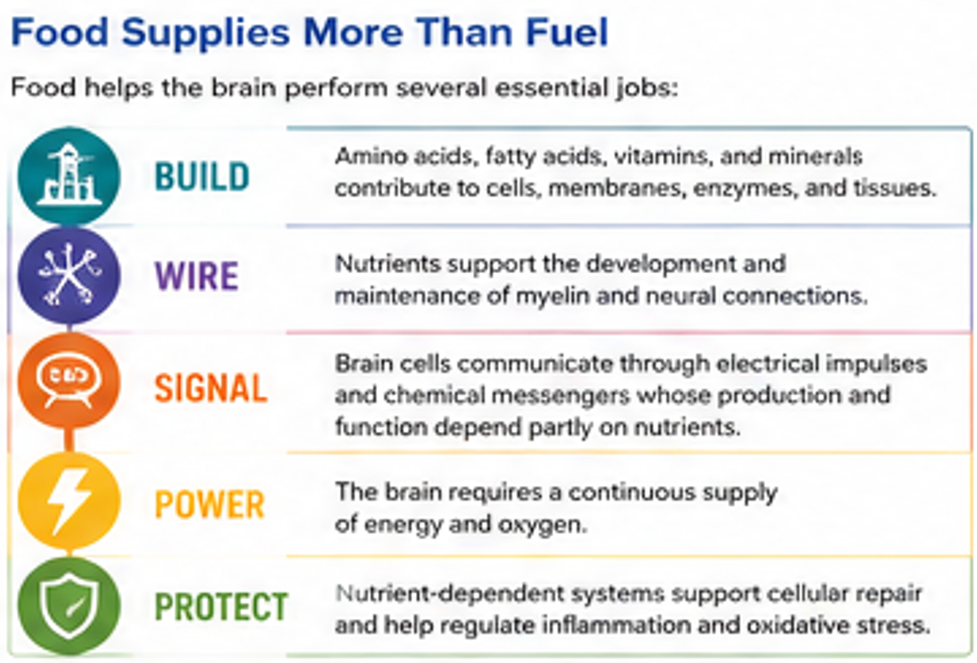
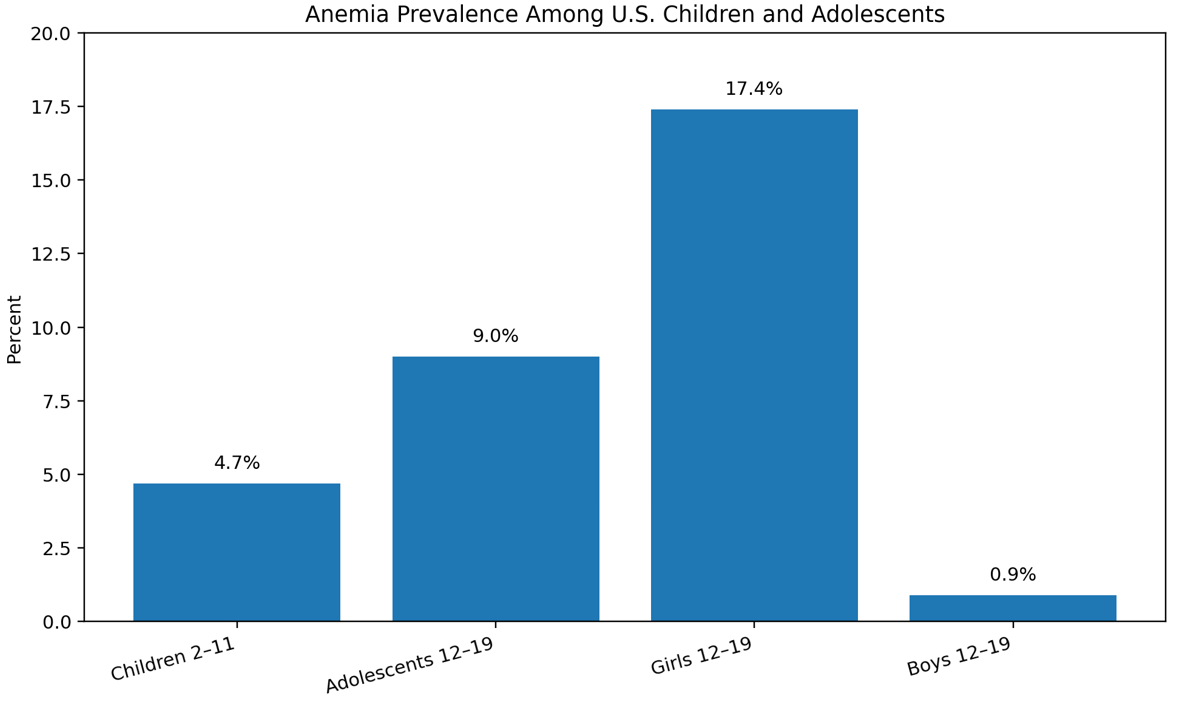
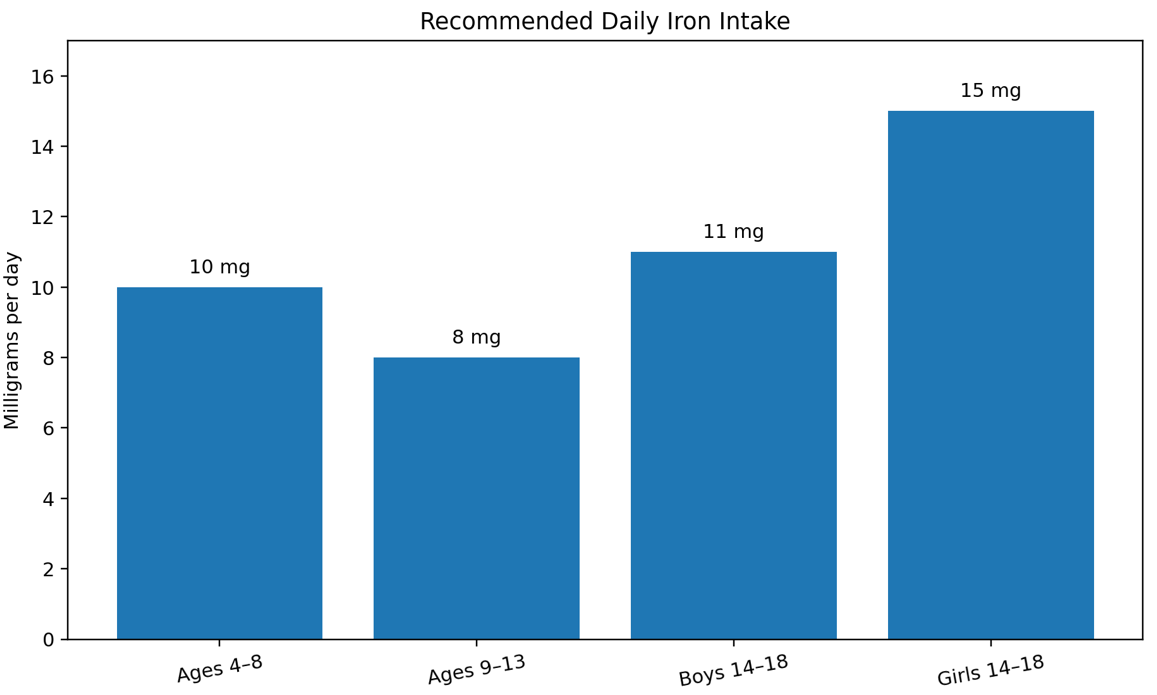 The researchers found significant improvements in intelligence, attention, concentration, and memory, although they did not find sufficient evidence of improved school achievement. Effects varied among studies and should not be interpreted to mean that iron supplements enhance cognition in every child.
 A struggling student does not announce, “My iron stores are low,” or “My diet lacks sufficient variety.” Instead, the difficulty may sound like: “I’m tired.” “I can’t think.” “I forgot.” “This is too hard.” “I don’t care.”



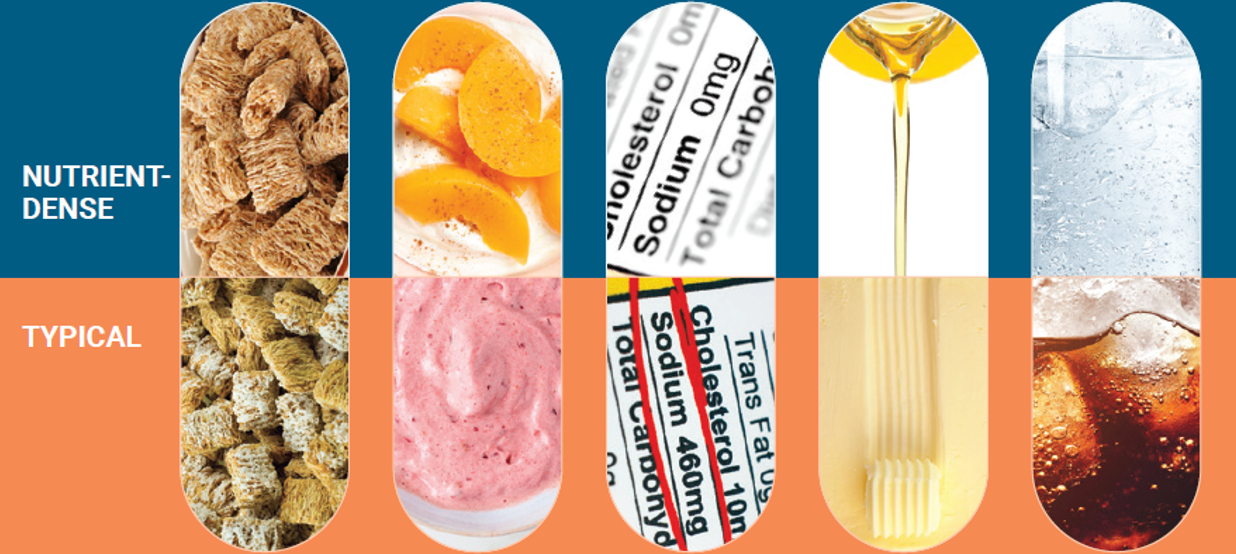
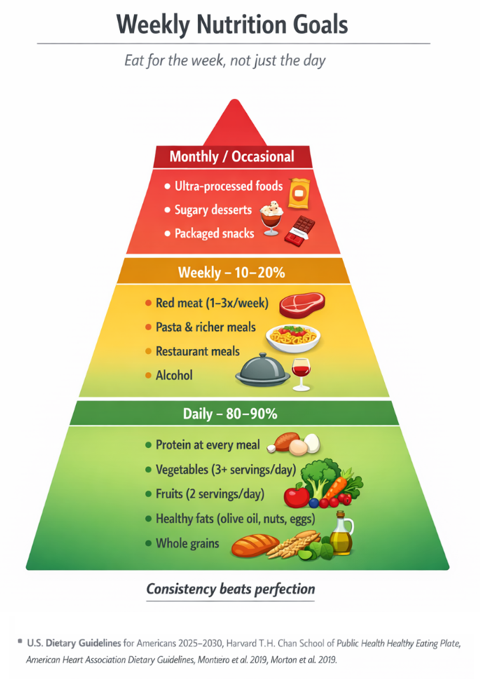 The same applies to richer, more calorie-dense meals. Pasta, creamy dishes, cheese-heavy meals, and restaurant dining are not “off-plan” they’re part of how people actually live. But when they become routine, they start to crowd out simpler, more nutrient-dense meals built around protein and vegetables. A bowl of pasta on a Friday night, pizza with friends, or dinner out can absolutely fit into a healthy pattern. What matters is that these meals are part of the week, not the structure of every day.


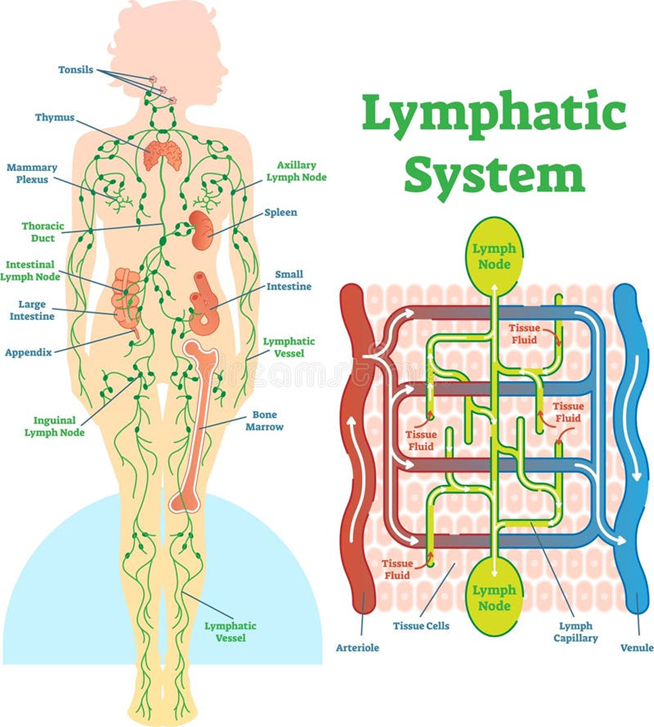 Fluid naturally moves out of tiny blood vessels and into surrounding tissues to transport oxygen, nutrients, and signaling molecules to reach cells. Scientists call this process filtration, and it happens constantly as part of healthy circulation.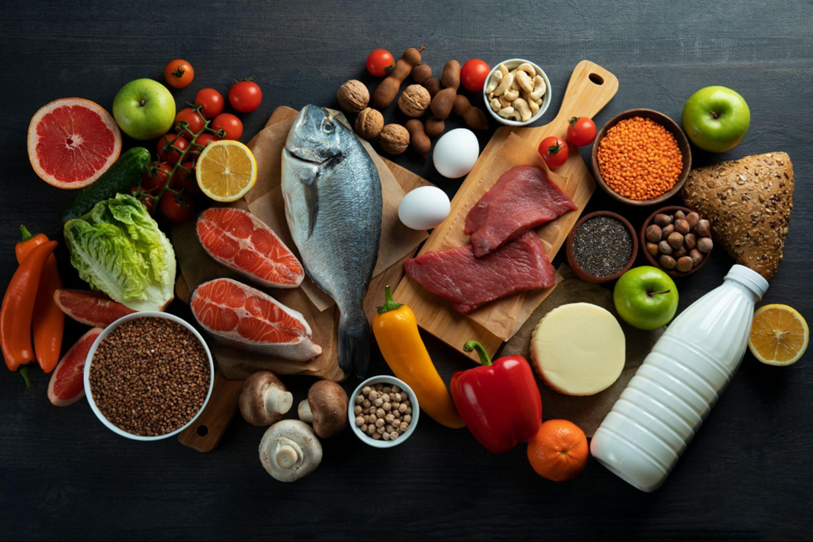


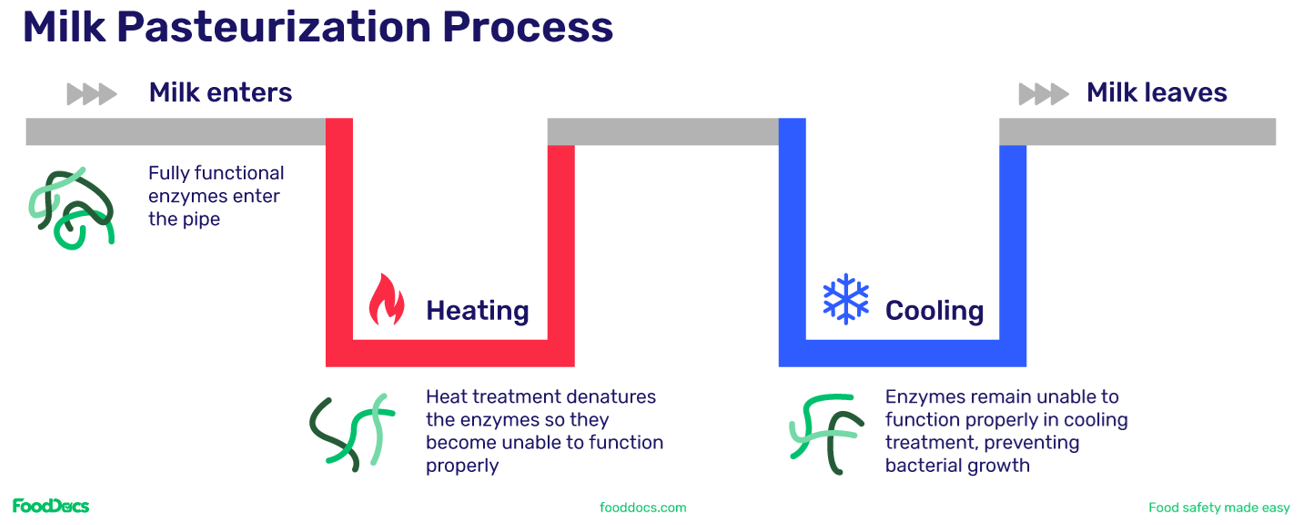




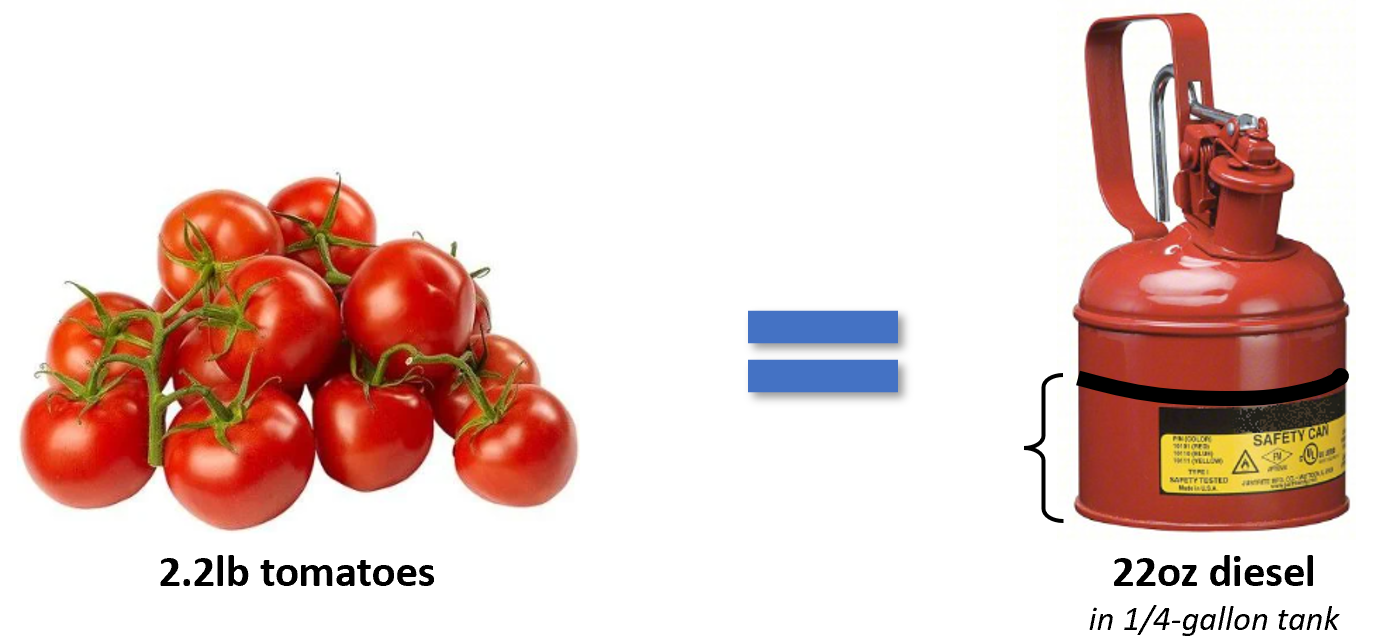
 76 adults with low vitamin D consume tomato soup daily for three weeks, each serving made from tomatoes edited to accumulate provitamin D3, which converts in the body to vitamin D3.


 While still true, these guidelines often fail to capture the complexity of human biology—and the individuality of how we metabolize food.
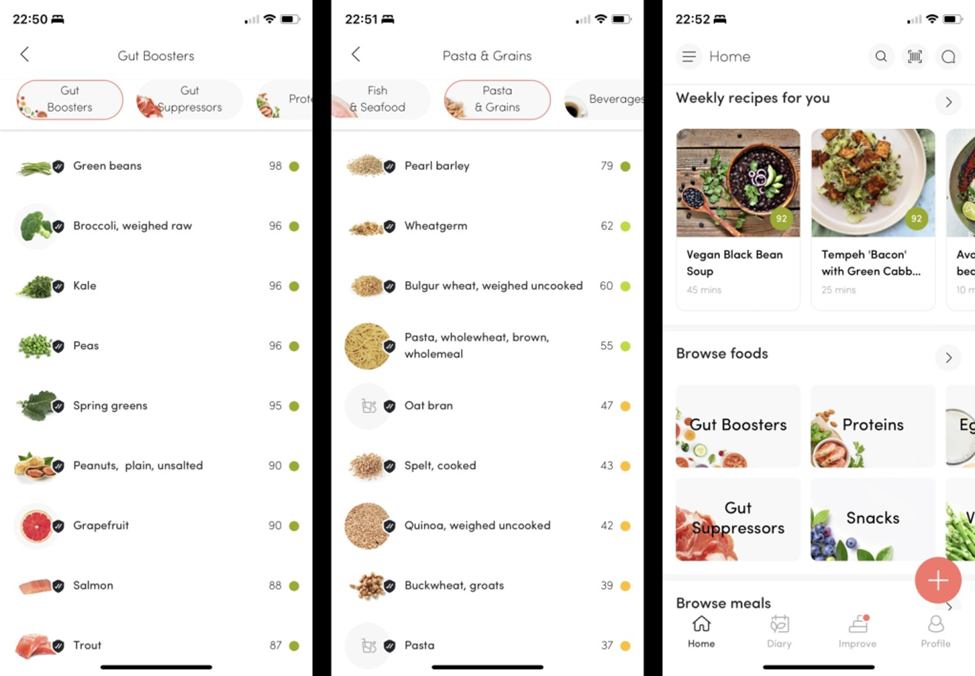 Emerging platforms
 Samsung Food’s Vision AI easily scanned items in my fridge, sometimes correctly identifying even partially used produce, and generated recipes that incorporated what I already had on hand. It wasn’t perfect (a few mystery leftovers stumped it), but the suggestions often saved me from another night of takeout.
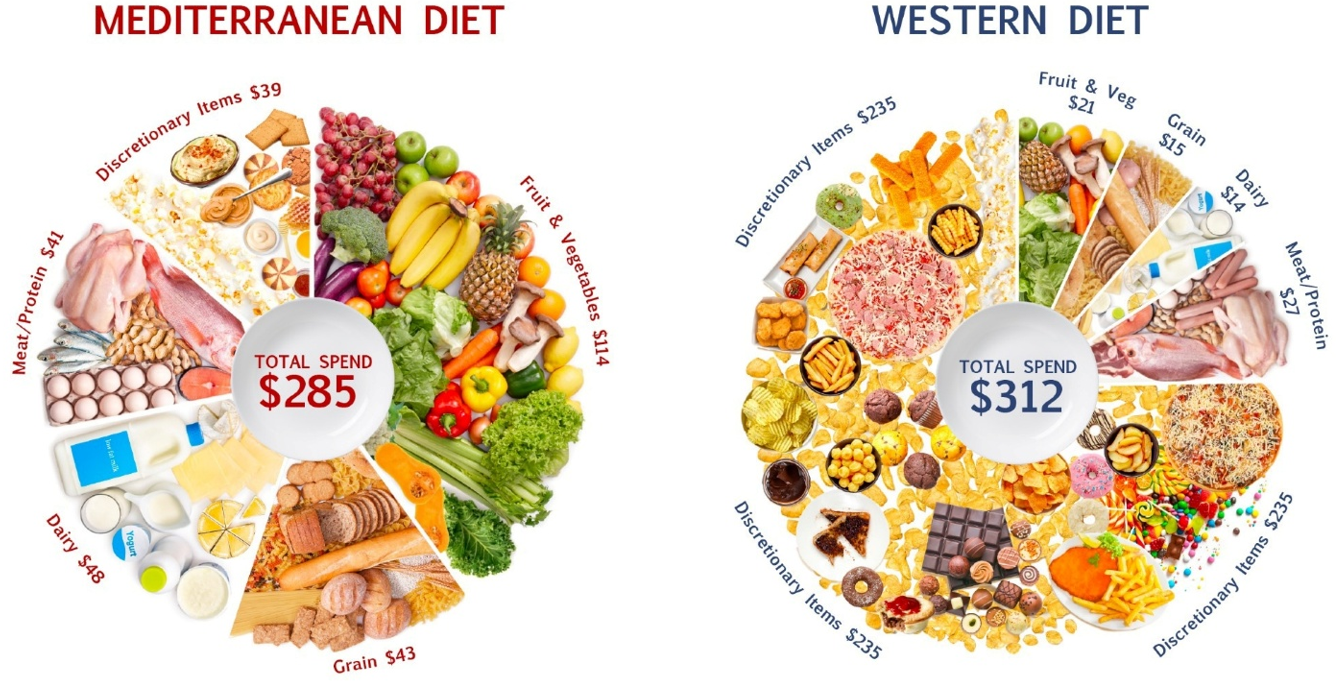
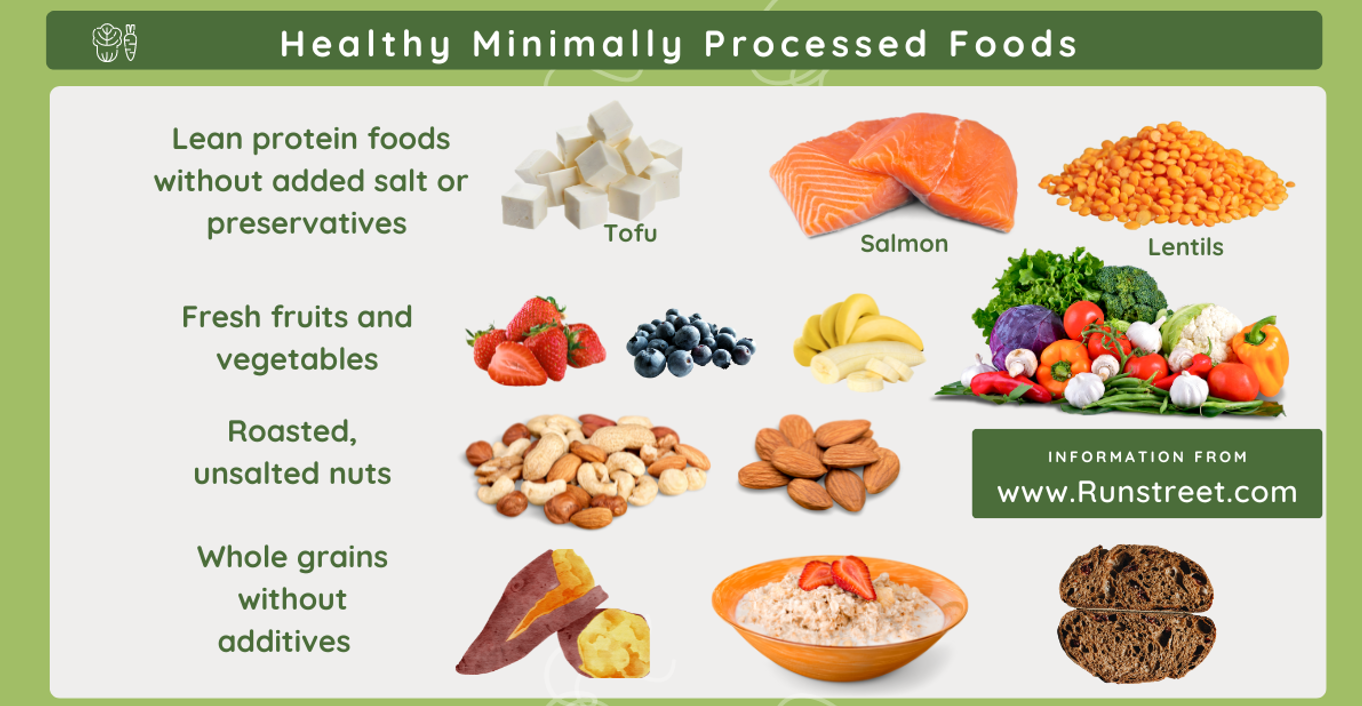

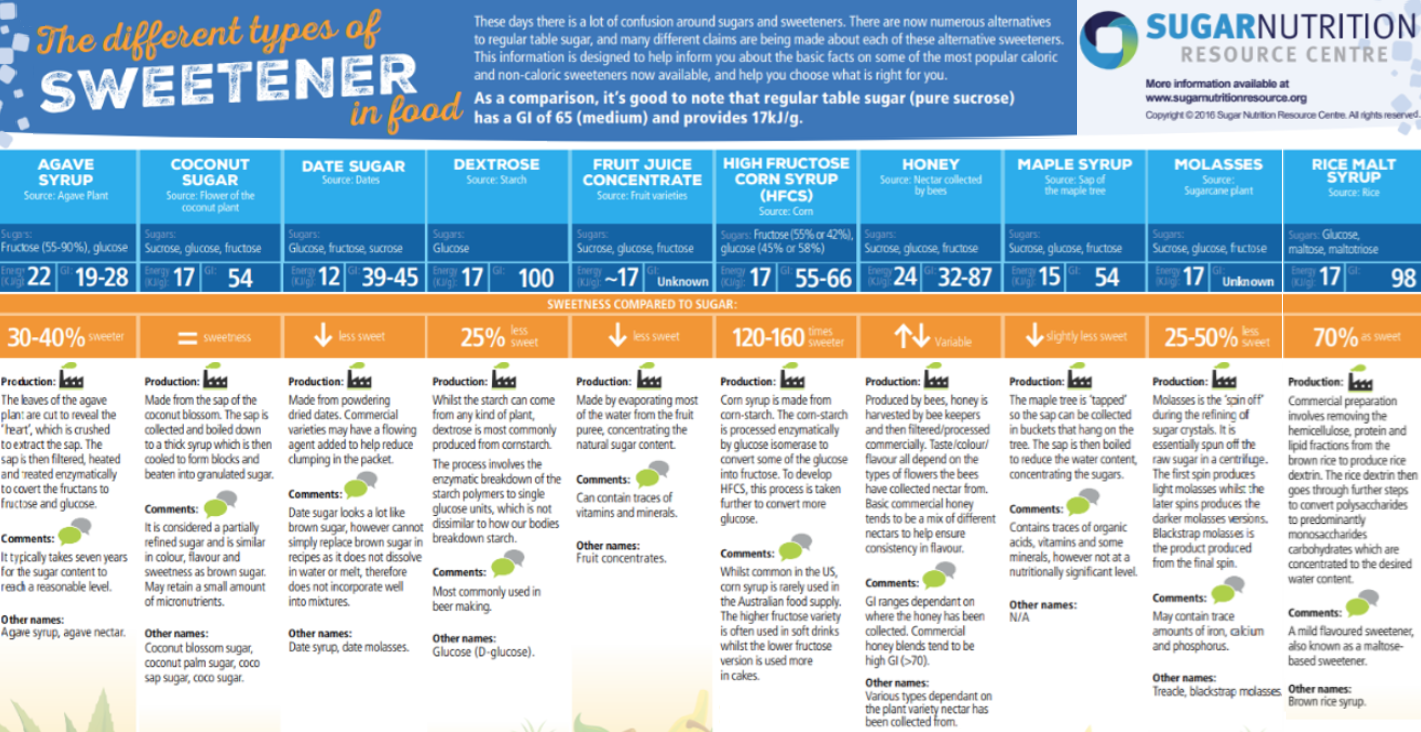
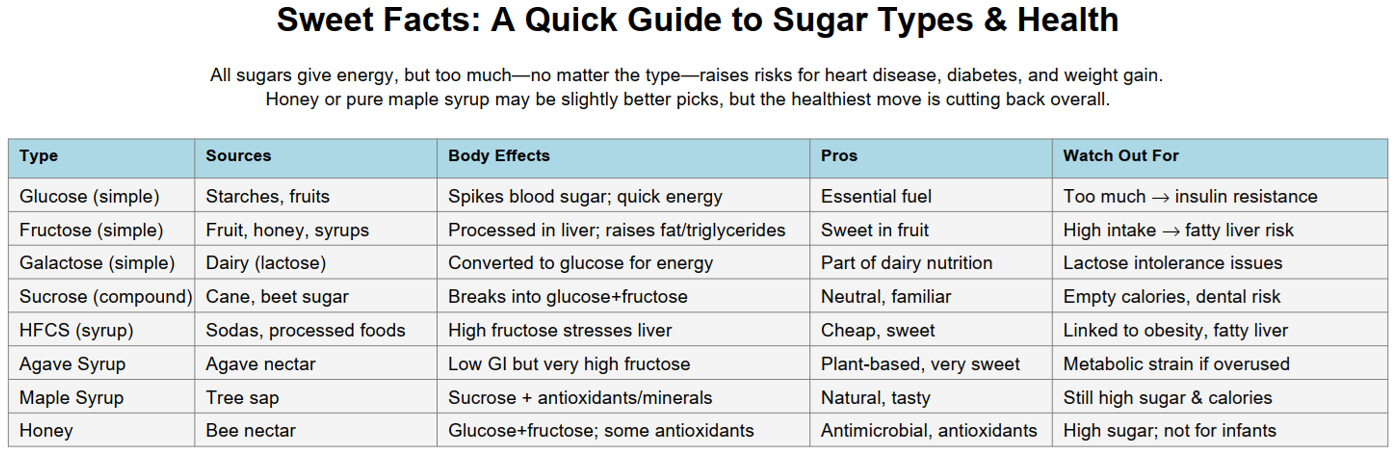






 Fine particles, smaller than 2.5 microns, can penetrate deep into the lungs and potentially enter the bloodstream, causing low-grade inflammation and oxidative stress. These processes are thought to aggravate or even drive chronic diseases.
 A study by the



 But many of us may be accidentally sending our hormones the wrong instructions. According to the
  Produced by the pancreas, it responds to carbohydrates by clearing sugar from the blood and directing it to be stored or used for energy.
 If you’re worried you might be negatively impacting your hormonal health via your diet, consider the below, and if you check two or more or these, your body might be sending you warning signals that your diet isn’t giving it clear instructions:
 “
“

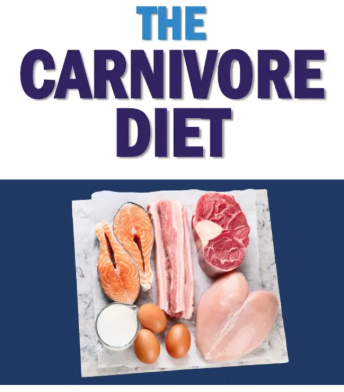 Advocates claim it reduces inflammation, improves mental clarity, and helps manage glucose levels, and promotes weight loss. However, the reported benefits of this diet are more anecdotal than clinical. In fact, multiple studies cite the dangers of this diet, including
 For instance, high consumption of saturated fats like beef tallow – which
  Yes, ACV can slightly
  Experts generally agree that most people, especially women and older adults,


 During the 2022 E. coli outbreak in leafy greens,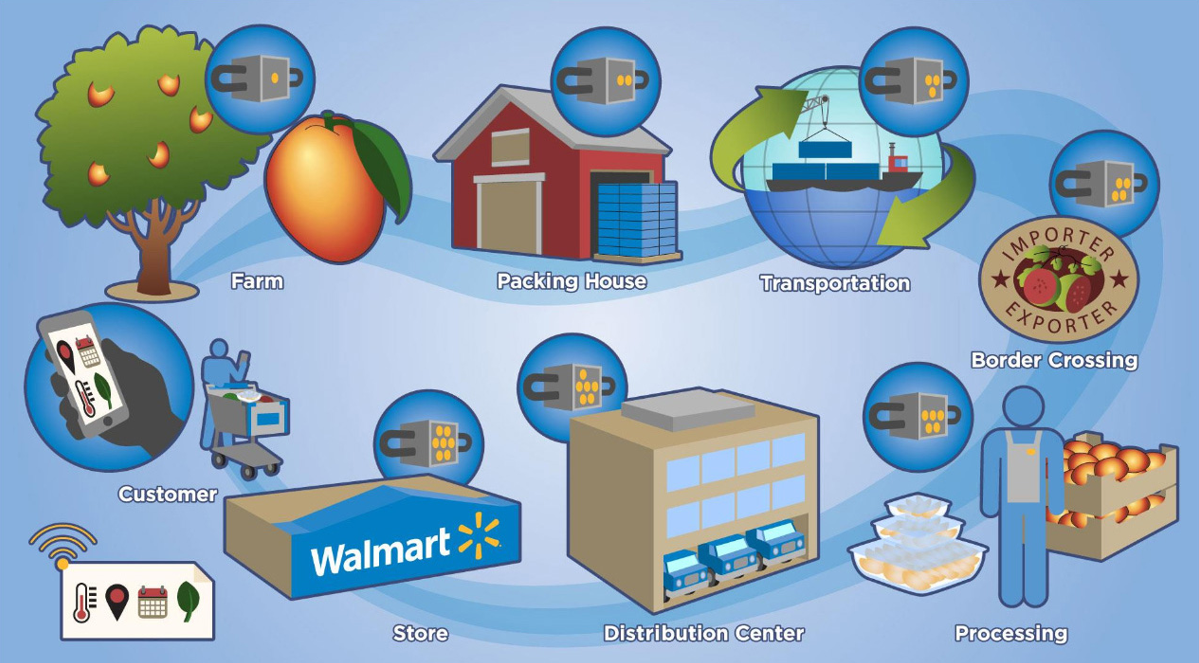
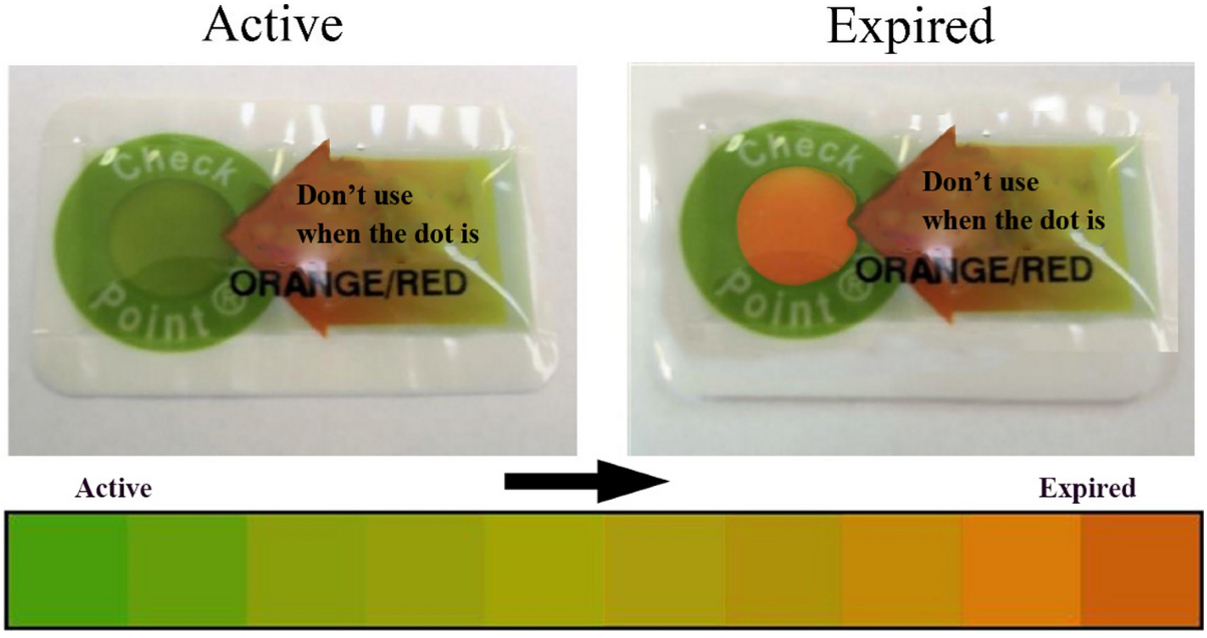

 This allows agencies to prioritize inspections based on actual risk, not just routine schedules.
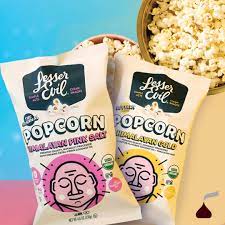
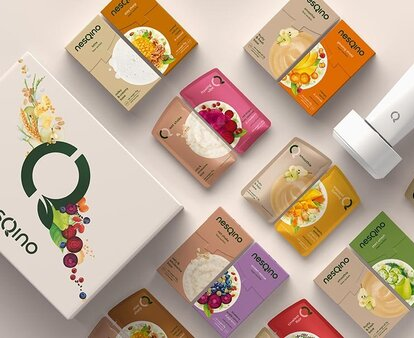 General Mills has teamed up with

 This isn’t just about cooking with oil. It’s part of a broader philosophical divide. As institutional trust declines, many are turning to tradition and nature for guidance—assuming, sometimes wrongly, that these values offer more than modern science.


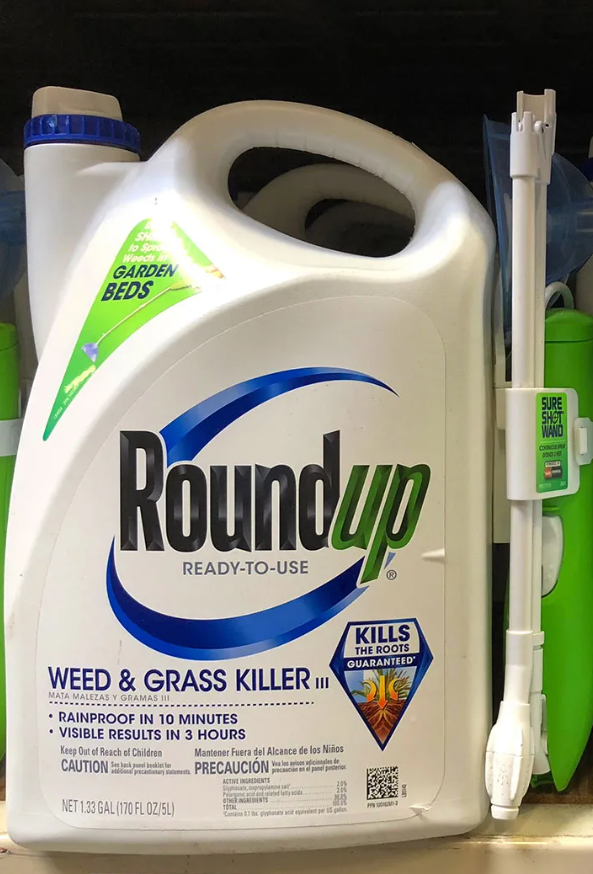 The Thin Mint headlines may be new, but glyphosate conversations are years old.
 Both the
  It’s also important to rinse all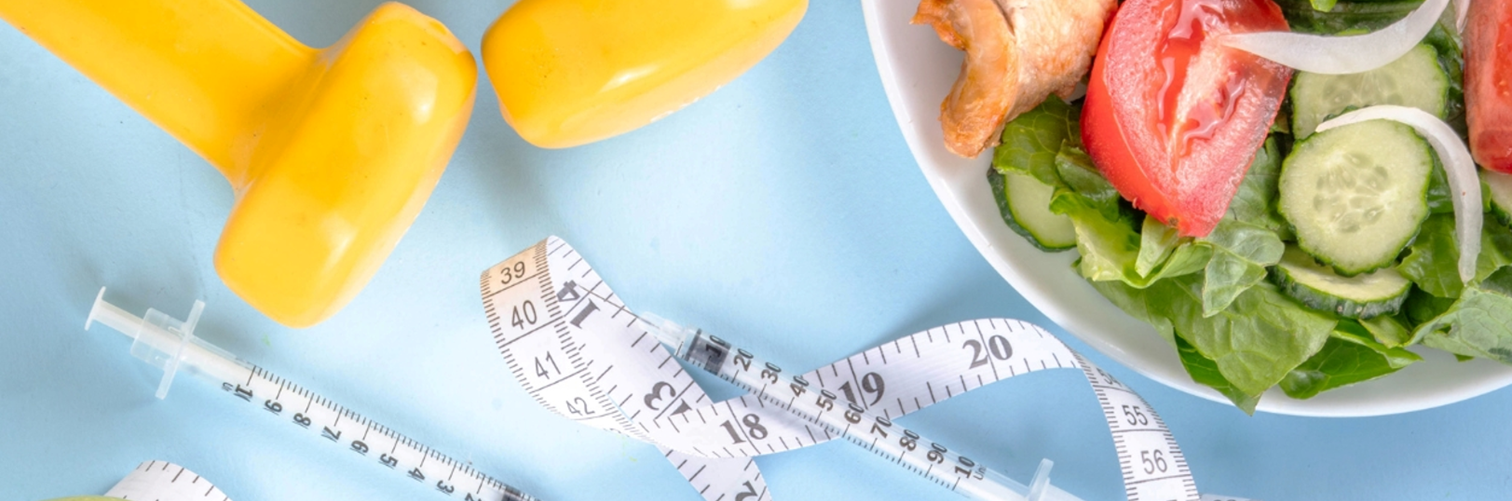
 Brands like

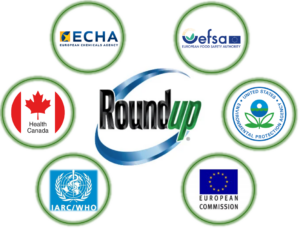
 It doesn’t just kill weeds; it kills anything green, including farm crops such as corn, soybeans, cotton, canola, sugar beets, and alfalfa. These crops have all been genetically modified so that the farmer can spray glyphosate after the crop emerges from the ground and kill the weeds, but not the crop.
 While there were different views on its effect on soil health, all agreed that it is the least toxic of the herbicides on the market.
 One farmer invented



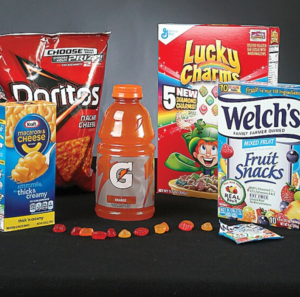 The FDA’s decision to act on Red Dye No. 3 after decades of inaction may signal a shift towards more proactive regulation of food additives.
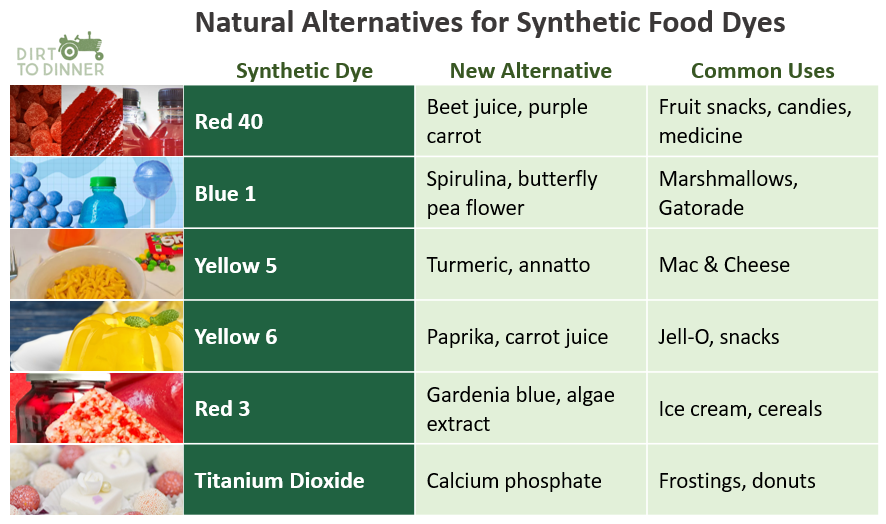
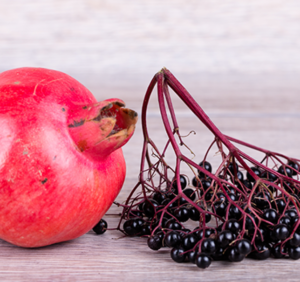 There are many substitutes for Red Dye No. 3, such as beet juice, purple sweet potato extract, red cabbage extract, carmine, and pomegranate juice. These natural substitutes align with growing consumer preferences for clean-label ingredients. After all, many of us would rather consume pomegranate juice in Jell-o than red dye.

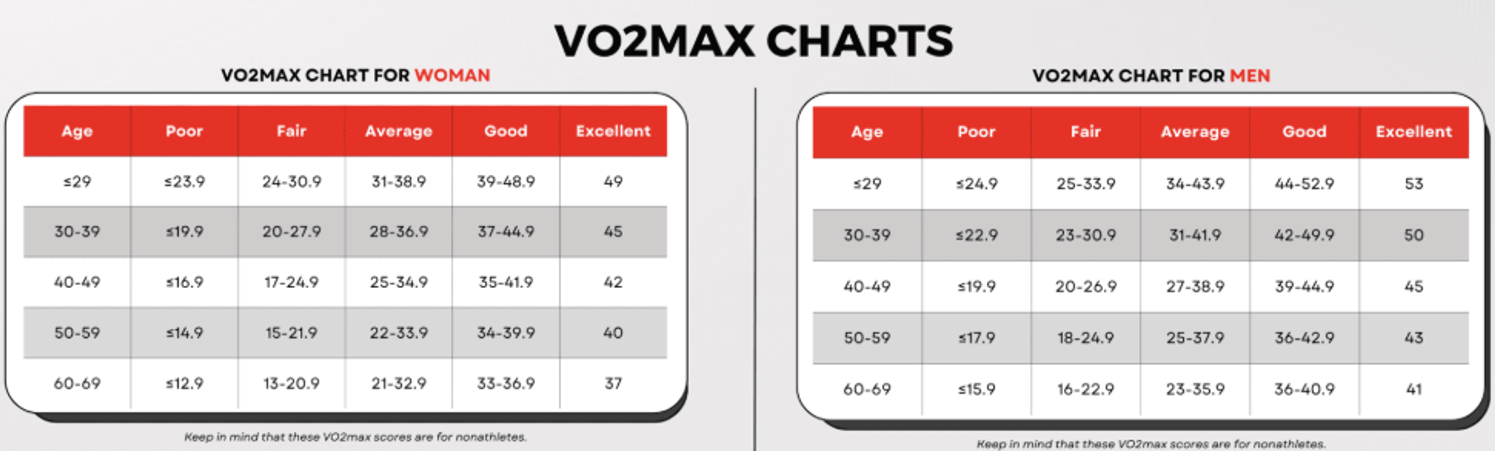
 Peter Attia, MD, who wrote Outlive: The Science and Art of Longevity, points to VO2 max as the best predictor of longevity.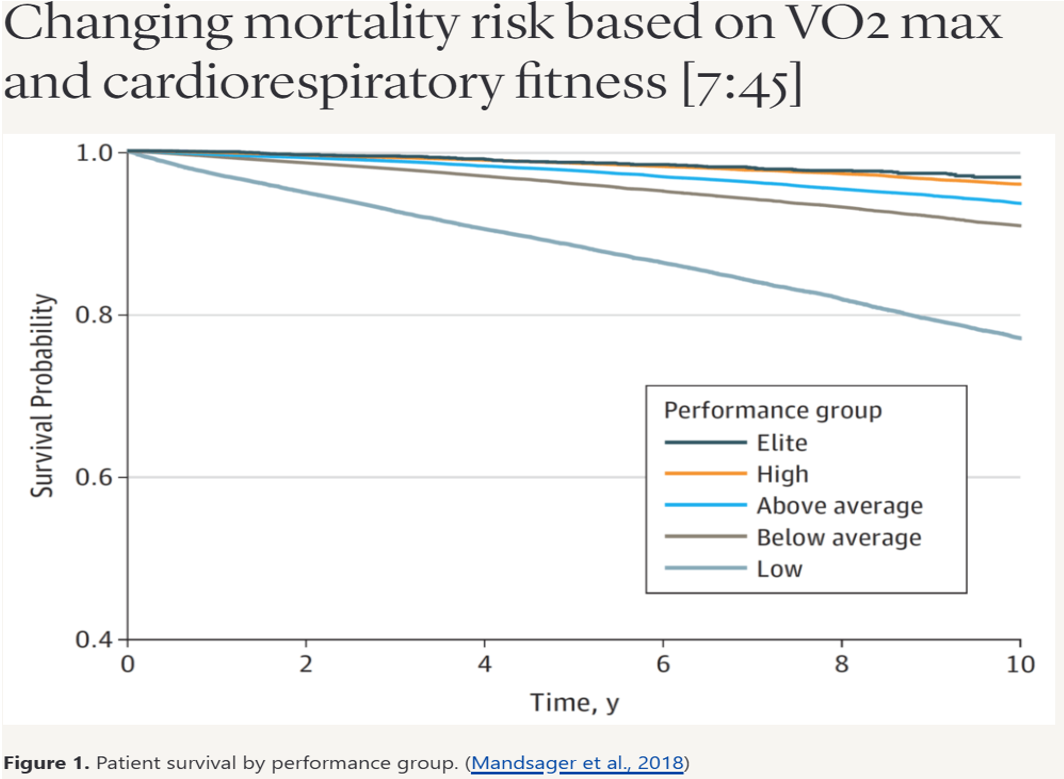
 Hanging from a bar measures your grip strength, which measures your overall muscle ratio – a good indicator of overall fitness.


 Spinach:

 Sustainability is no longer a buzzword but a mandate.





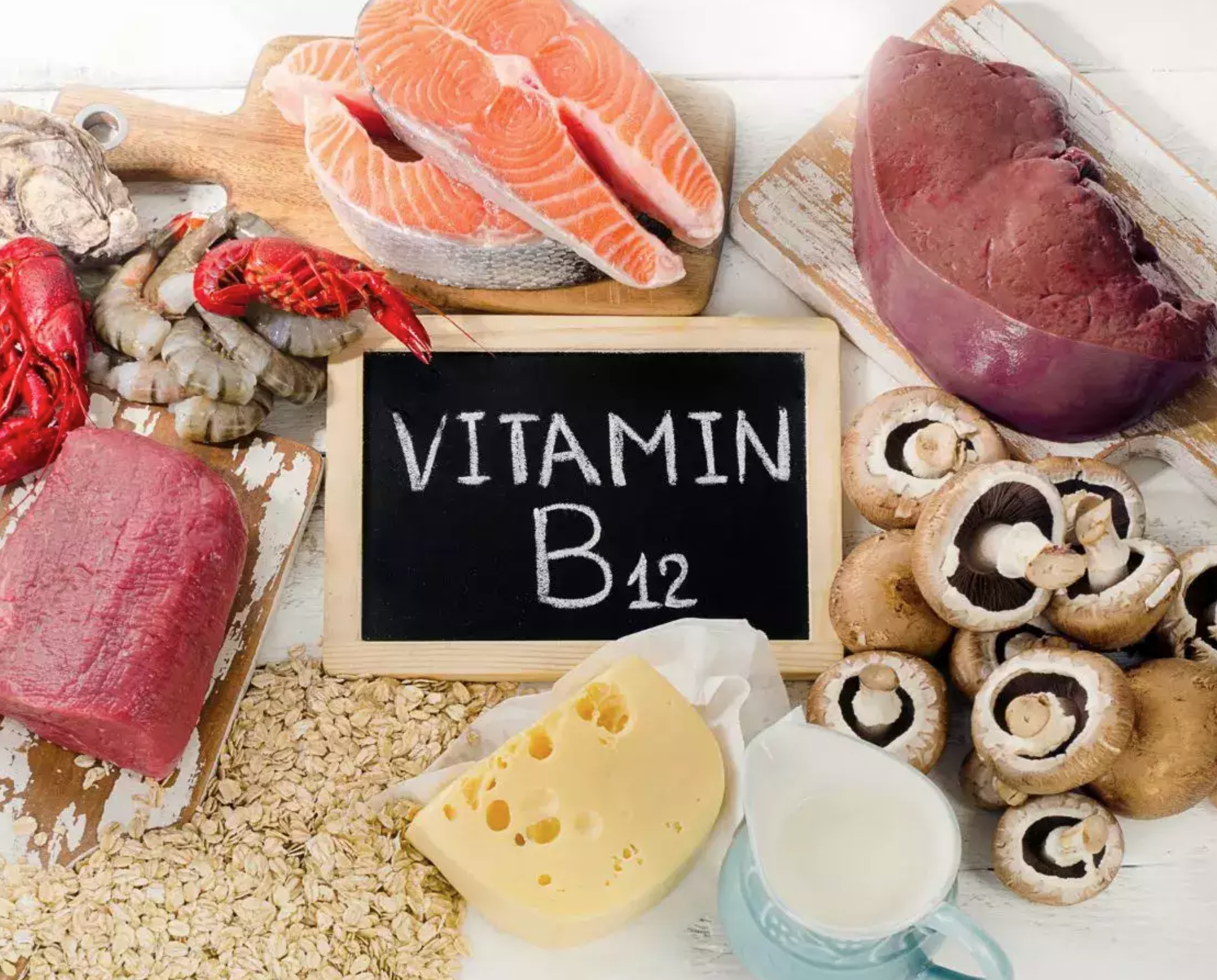 This vitamin is essential for a healthy body, as it helps develop red blood cells,




 All-natural


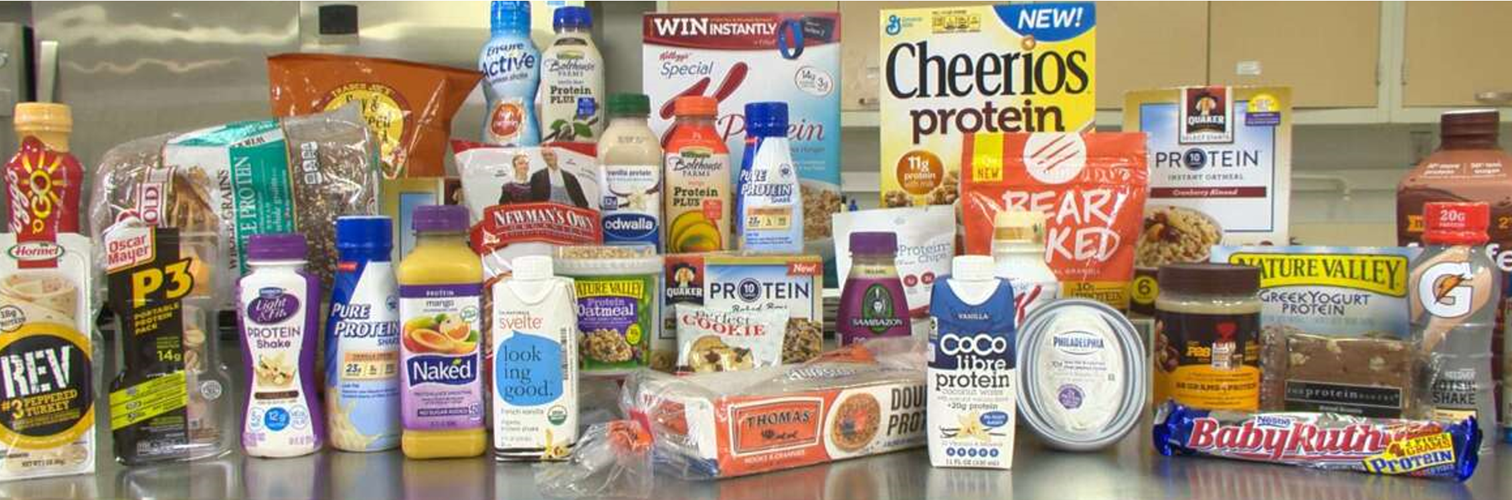
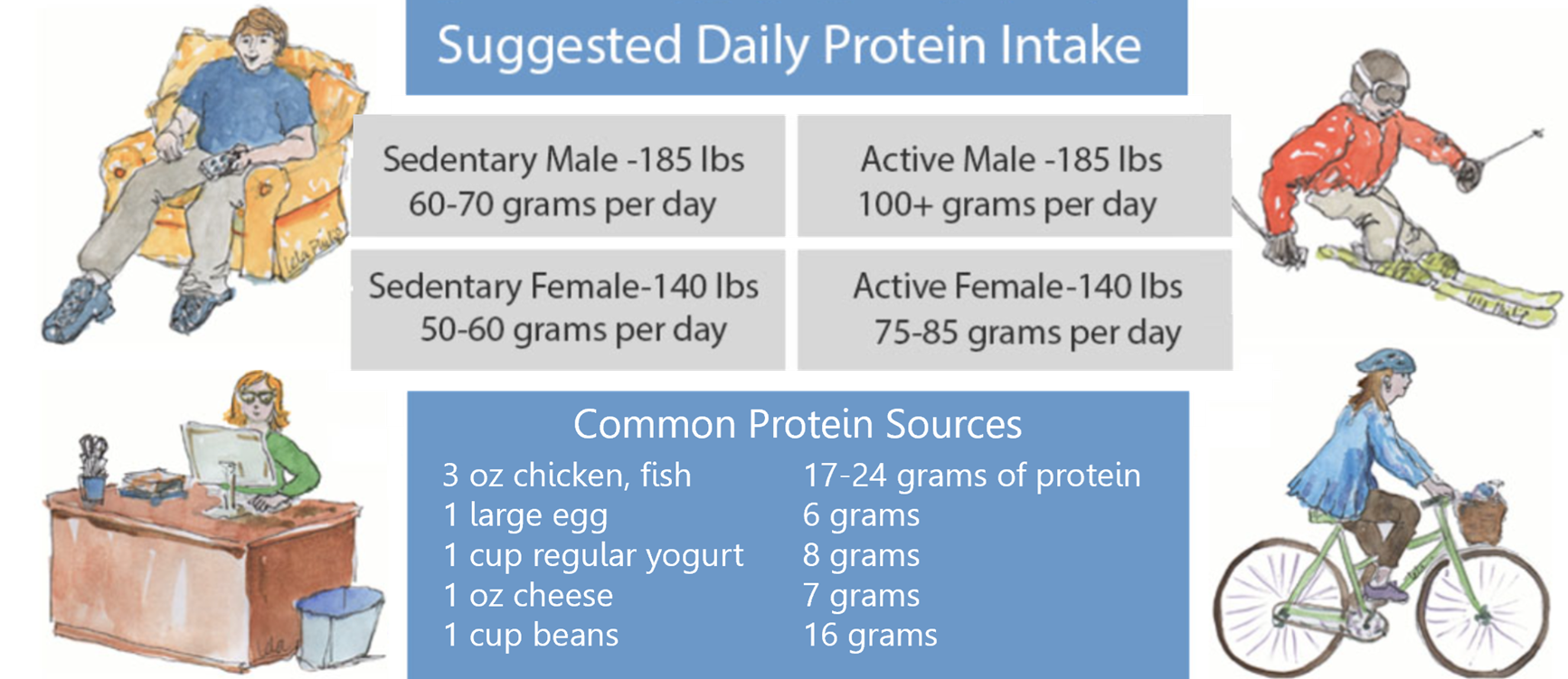
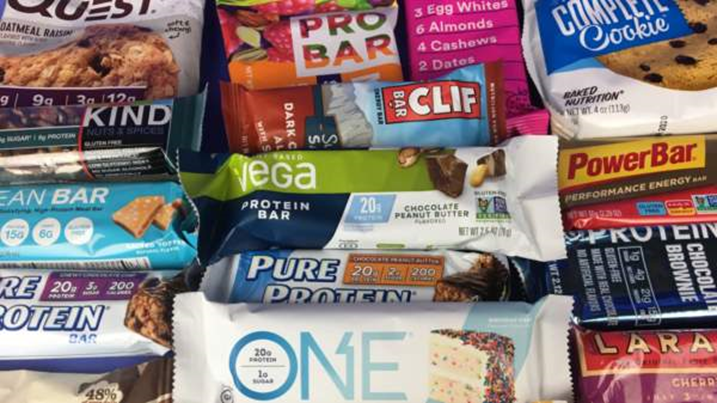 While protein can help you feel full and satisfied, consuming more protein than your body needs doesn’t magically become muscle…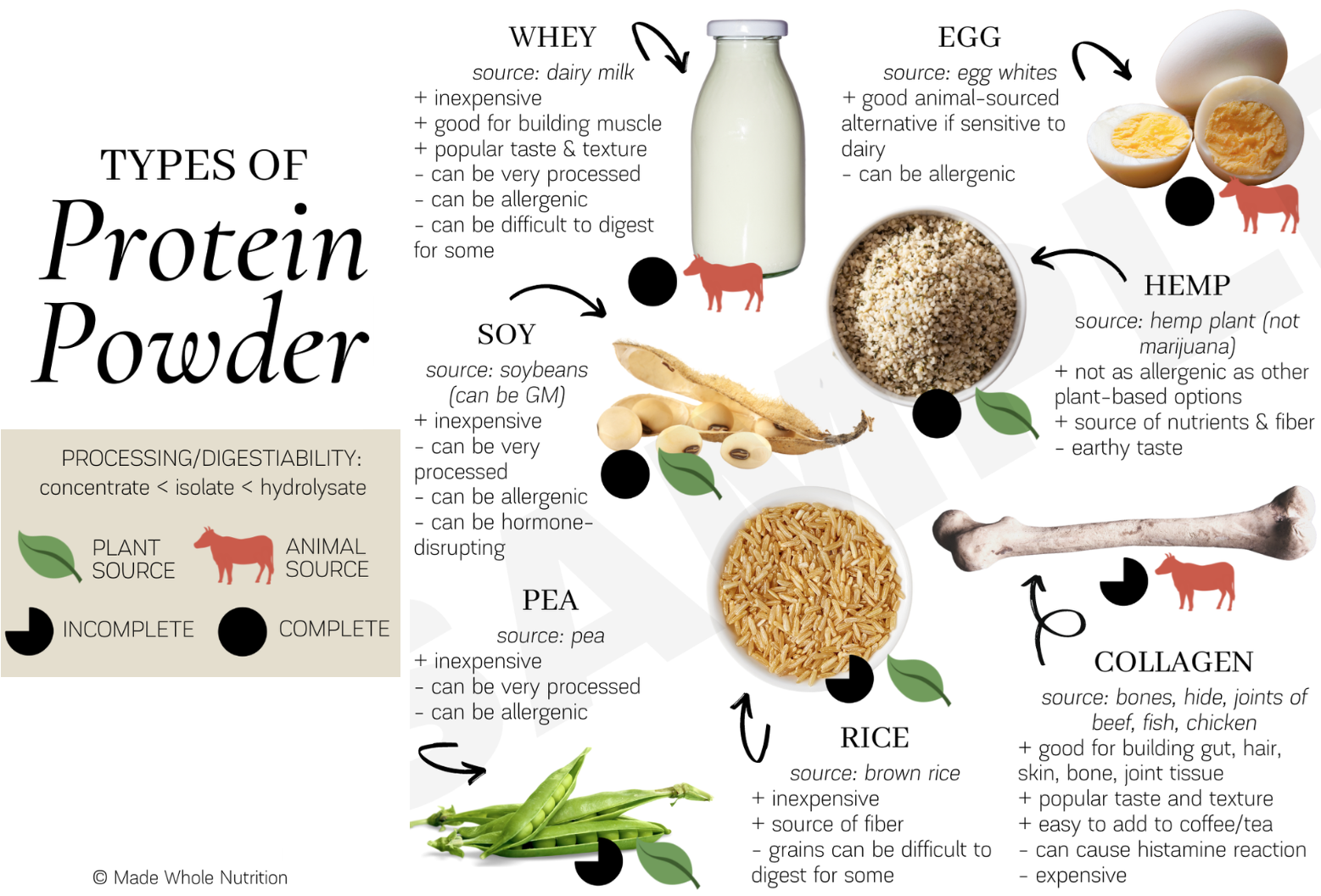




 They’re found in almost every culture and cuisine. Historians
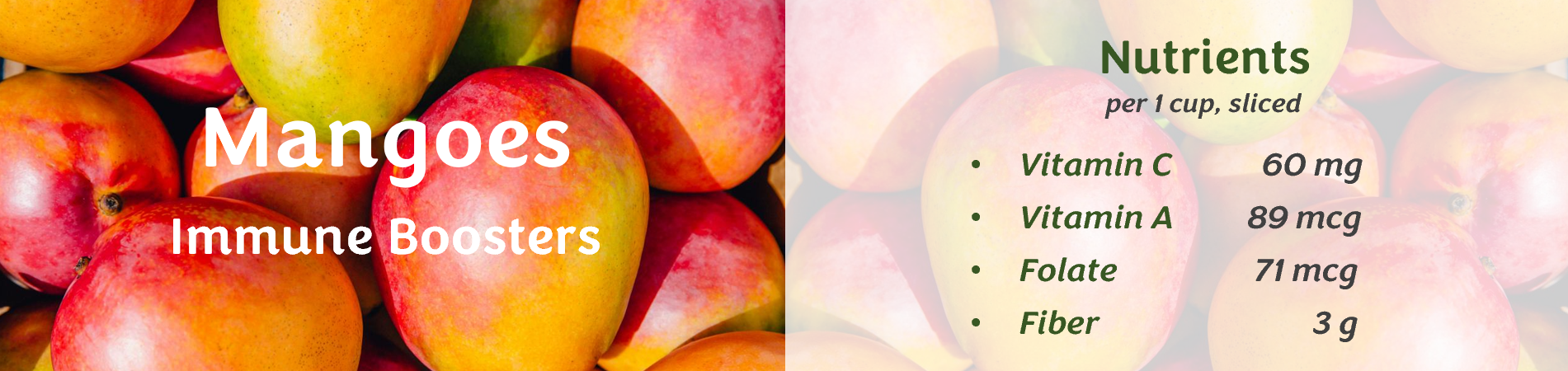
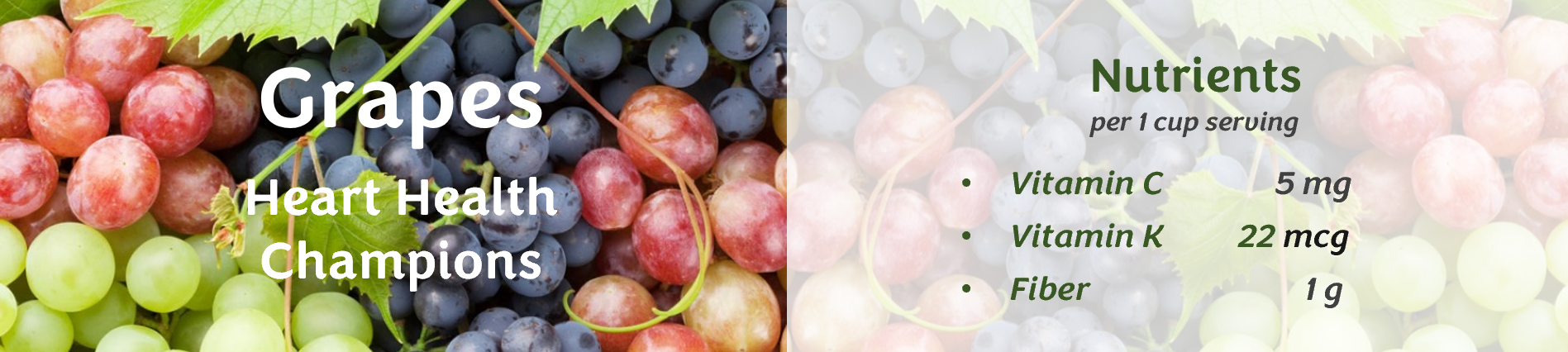
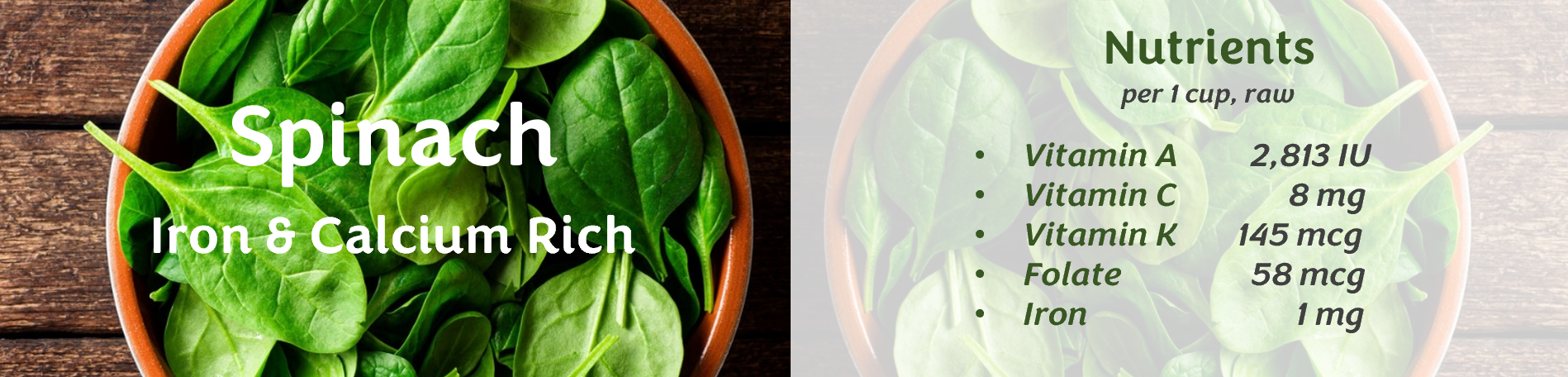
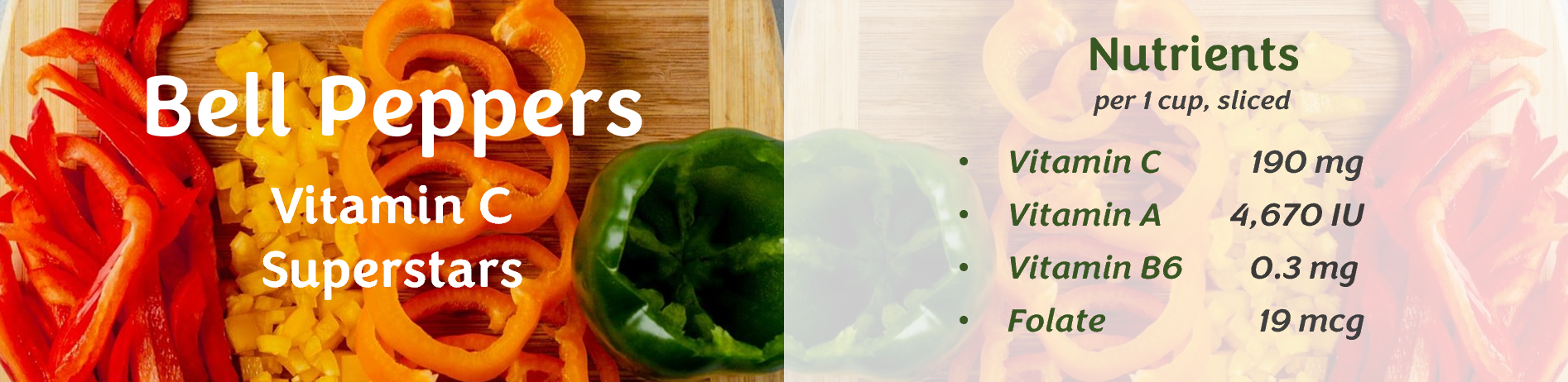





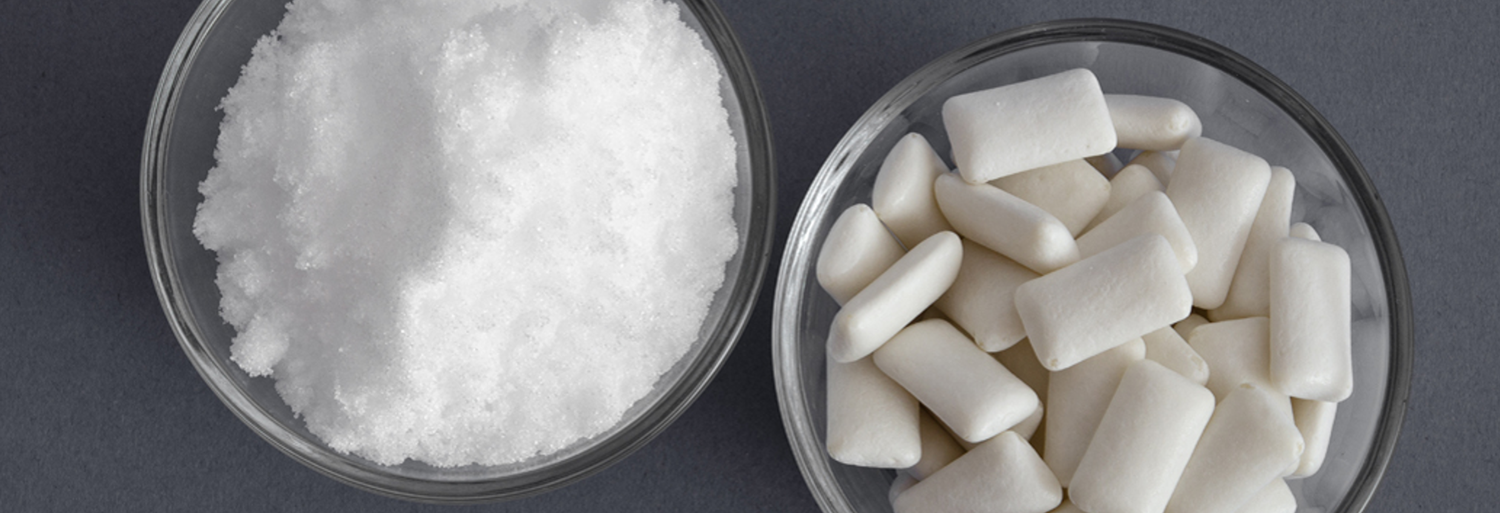

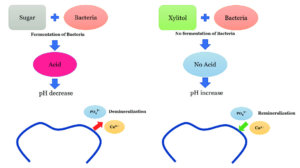 Dental benefits
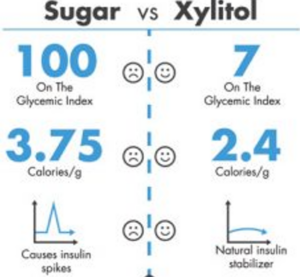 Glycemic control











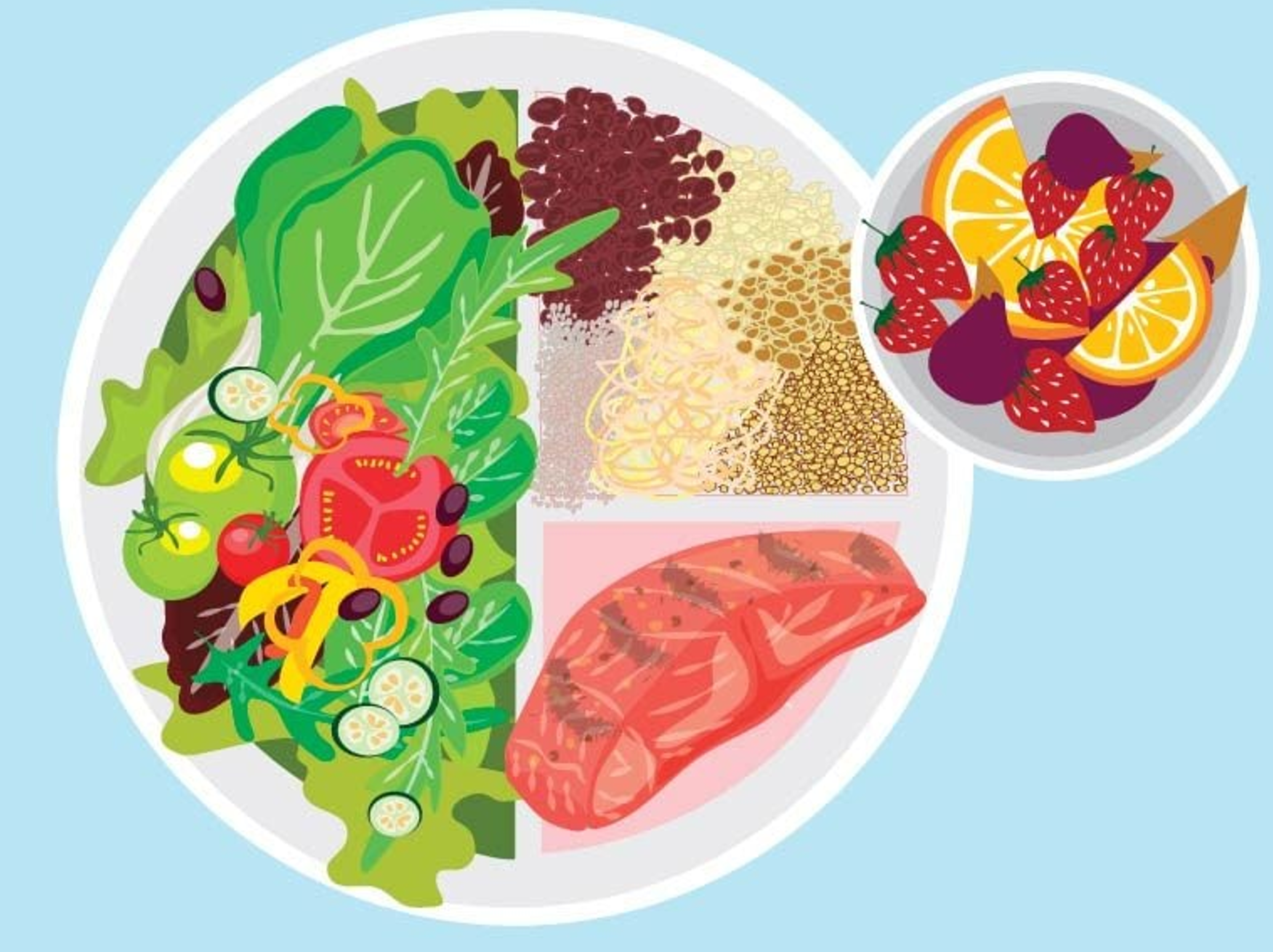 For heart health, it champions the consumption of
  It is not that those ingredients are bad for you, but you want to look for foods that have more healthy nutritious ingredients that add value to your body. The report also points to a burgeoning interest in traditional and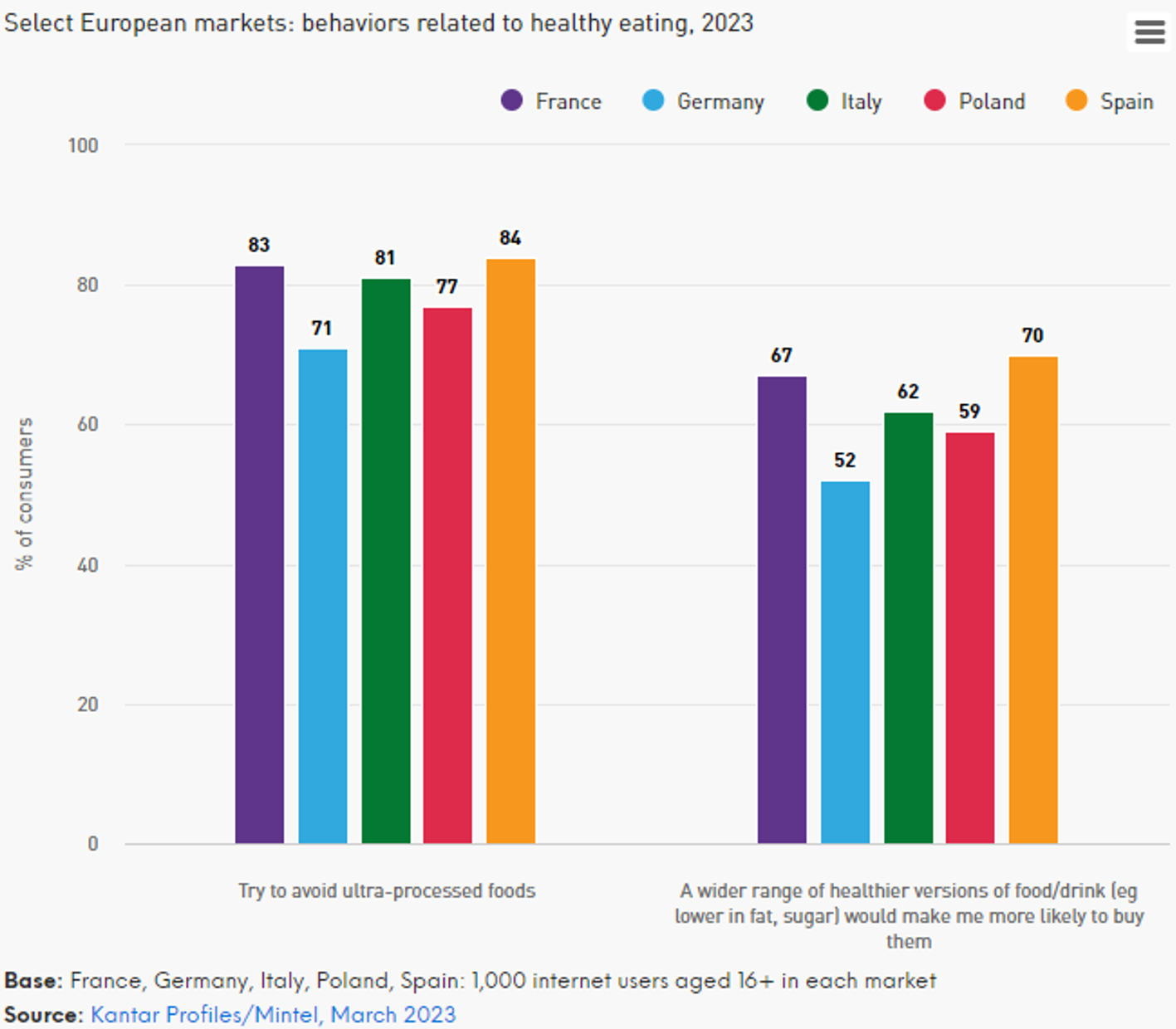























 Let’s briefly examine just some of the ways the Belief Effect impacts overall health.




 Good news for you, most people already consume more than double the recommended amount, typically 900-1000 milligrams daily as part of their regular diets. Some tryptophan-dense foods are cod, spirulina, nuts and seeds, and legumes.
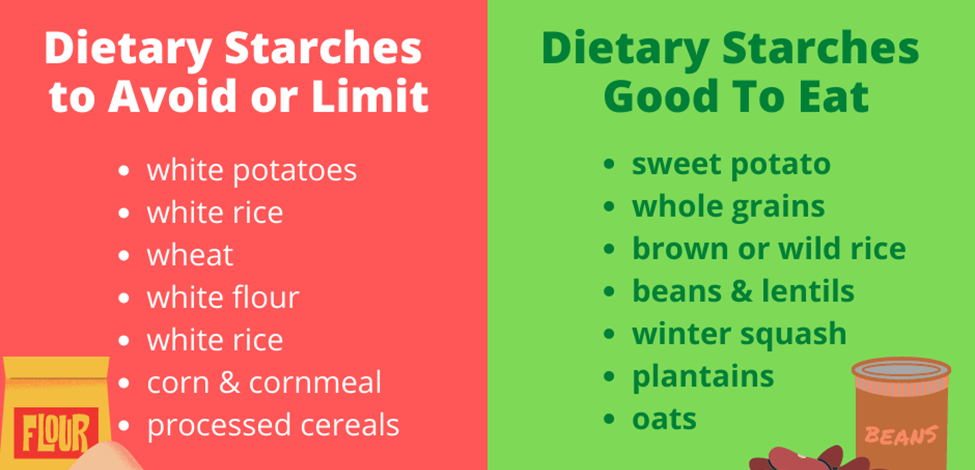
 Not sure how to tell the difference between a complex carb and a simple carb? Here’s a good trick: most whole, unprocessed foods contain complex carbs. Avoid processed foods and “white” foods, which are mostly comprised of simple carbs.


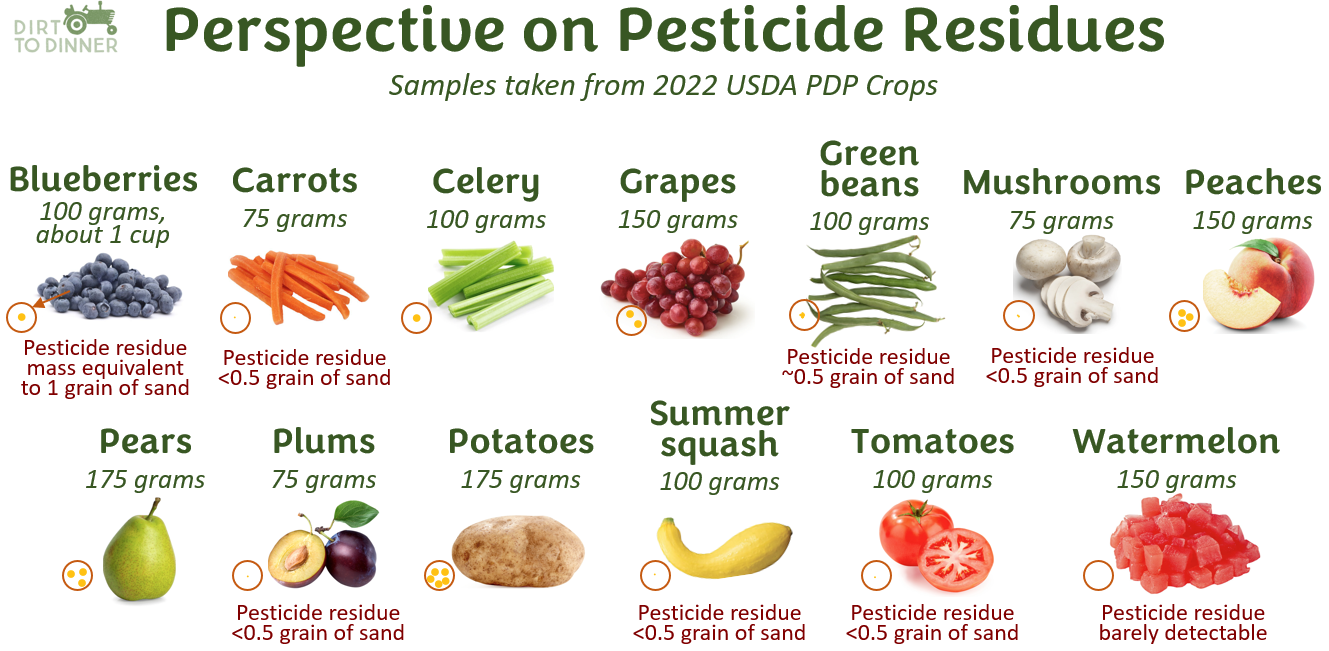
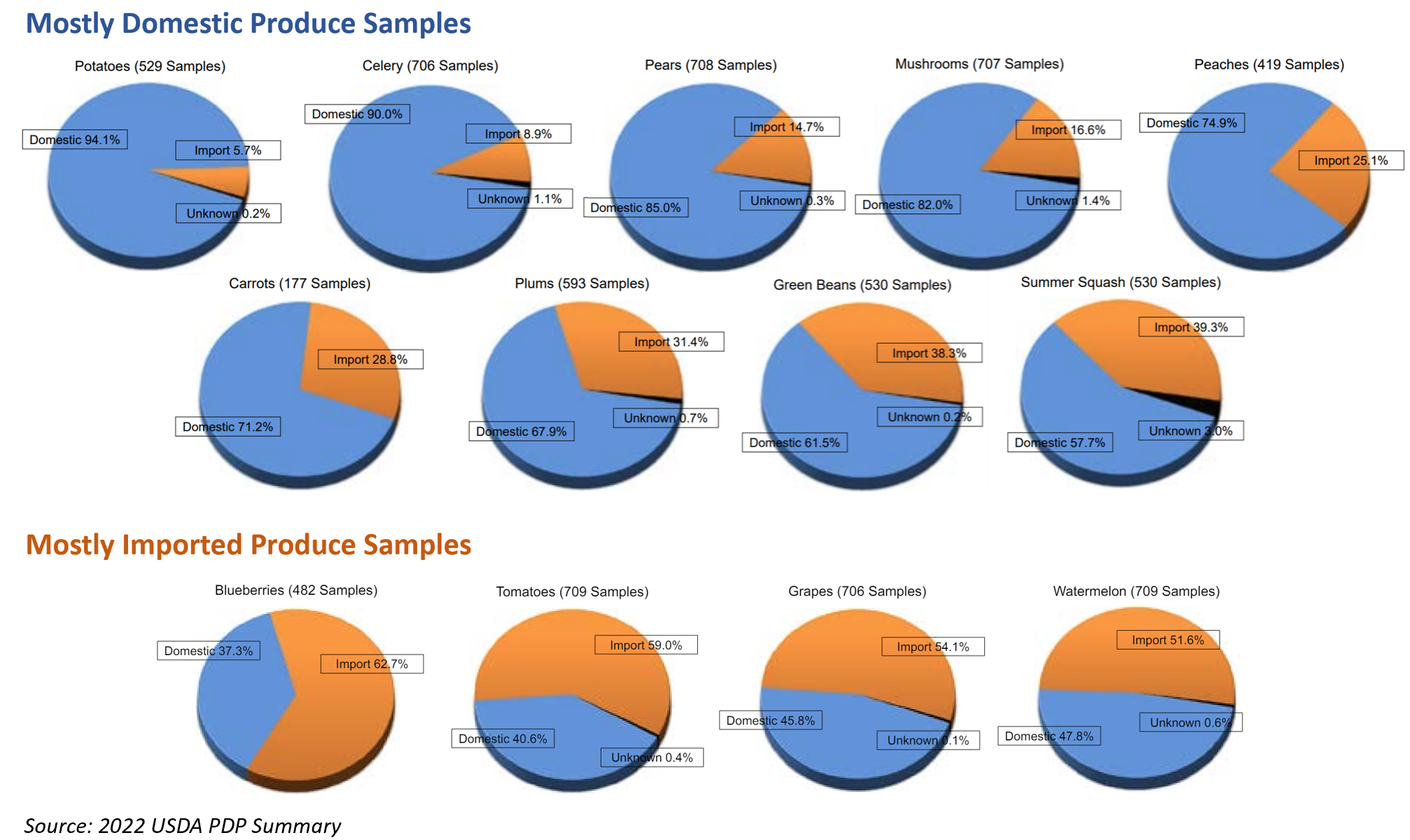
 But should you really be afraid of these “Dirty Dozen” items?


 It has been shown to inhibit the release of histamine from immune cells, such as mast cells and basophils, which may help reduce
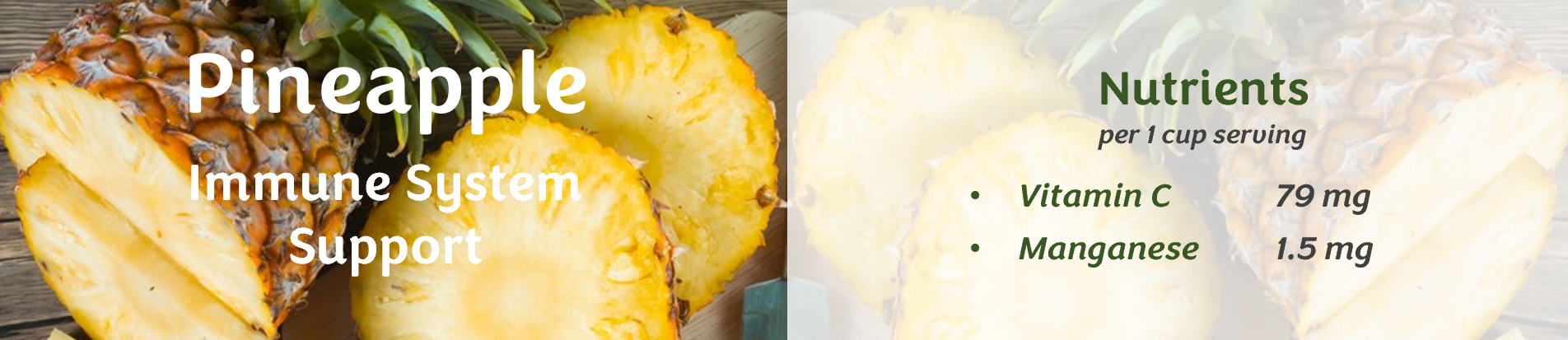
  Bromelain is a mixture of enzymes found in pineapple stems. Yes, pineapple stems. Really the only way to naturally get bromelain is through fresh pineapple juice. However, bromelain supplements can provide concentrated doses of the enzyme.
 Citrus fruits are dense in potent
  While omega 3s can




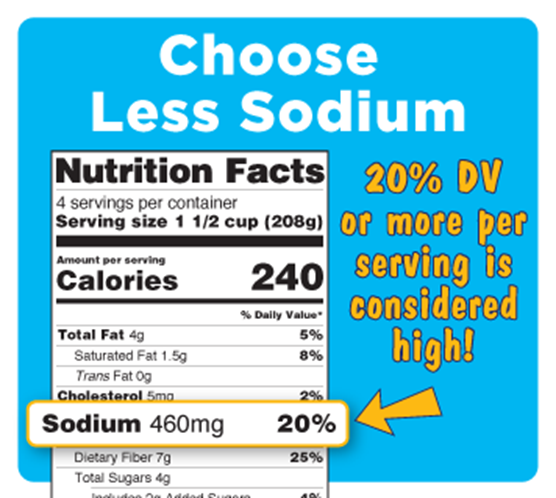
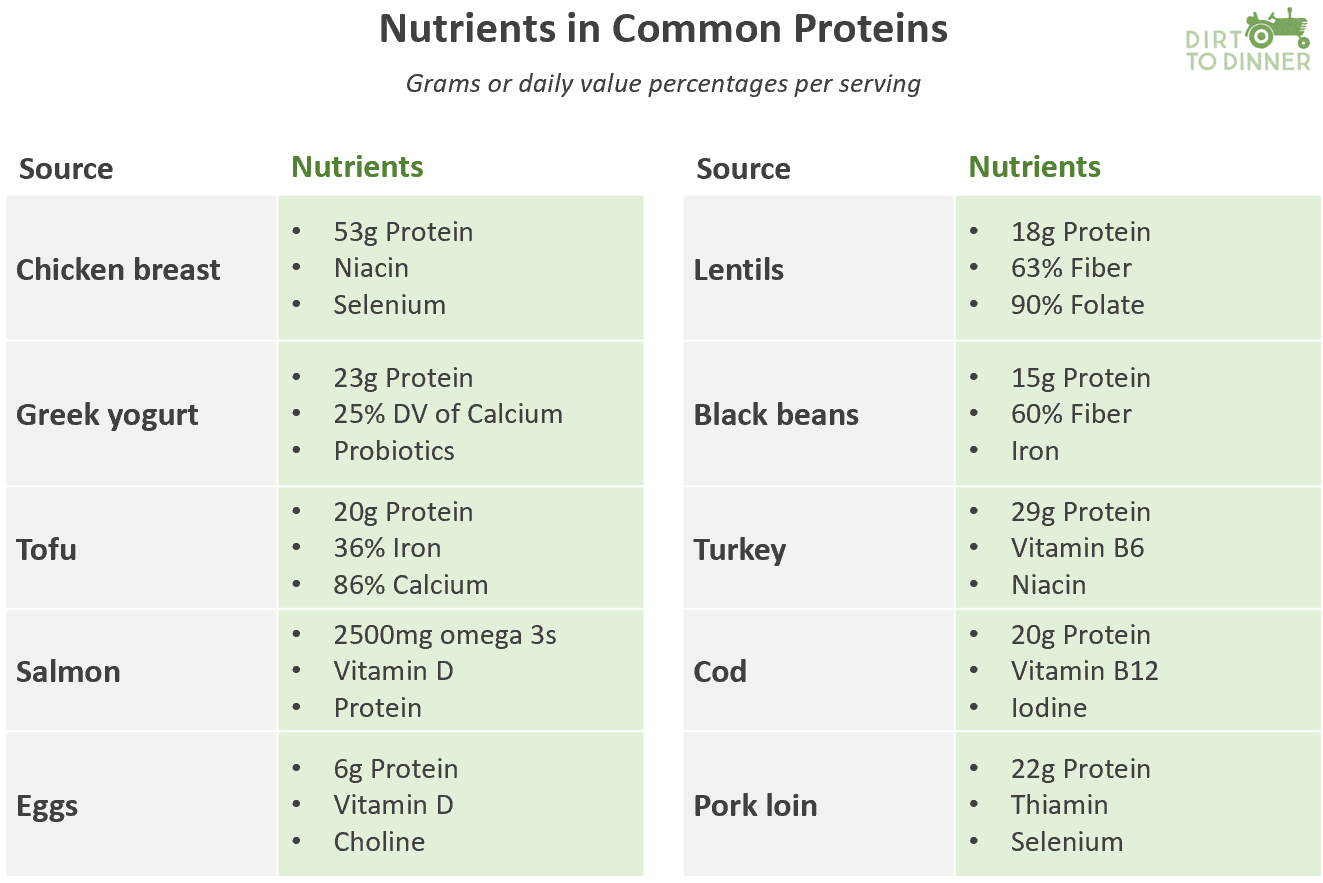
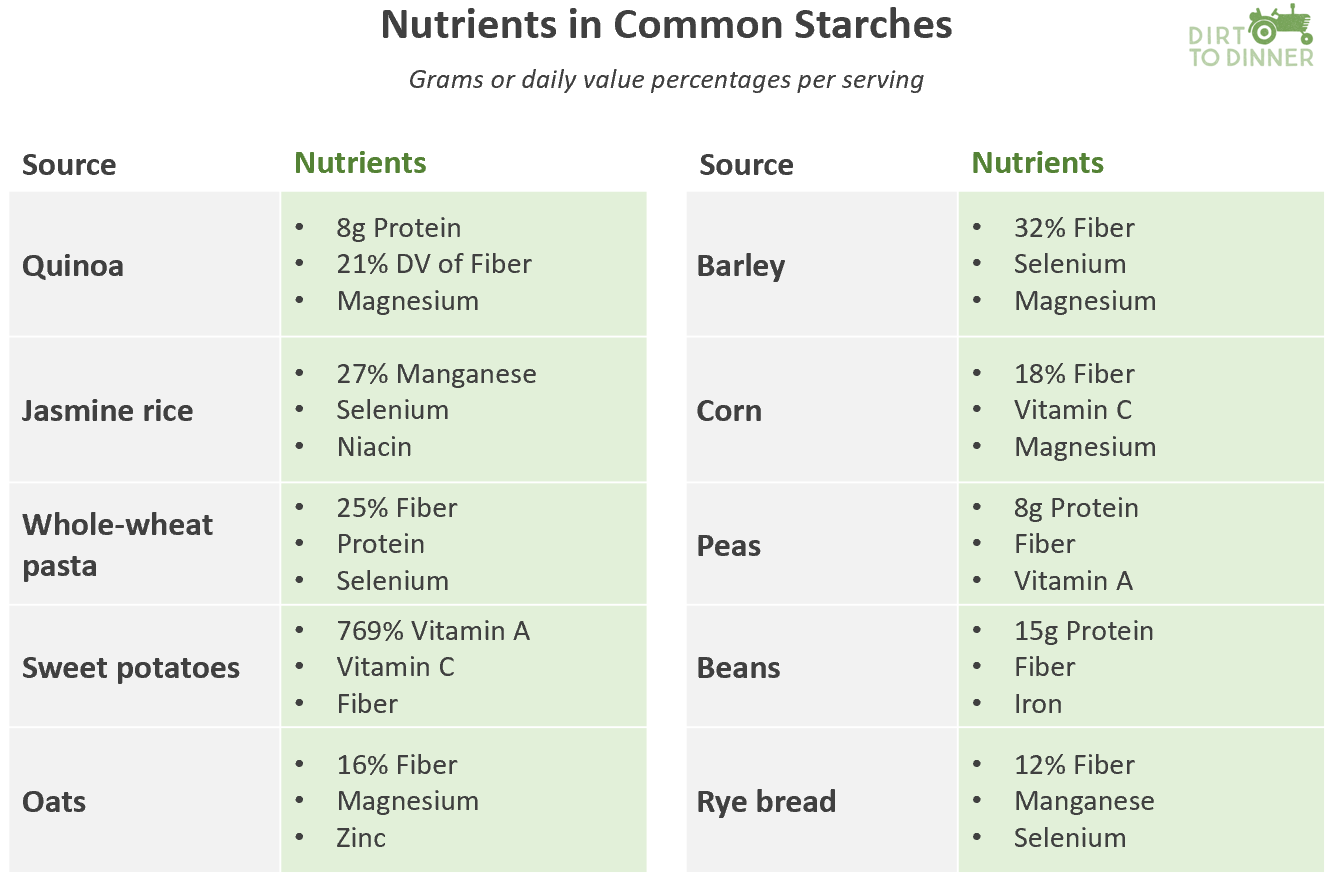
 Remember that the grams listed next to the nutritional fact are per serving size. Furthermore, the percentage to the right details what percentage of the recommended daily value (DV) each serving size contains.








 Probably the most common source we hear about for heavy metals in everyday foods is mercury in larger fish, like swordfish, shark, and the ever-popular tuna.


 While the label is currently voluntary, many national health authorities have adopted it, including France, Belgium, Spain, Germany, Switzerland, the Netherlands, and most recently, Luxembourg.


 What happened? After seriously overthinking this, basically, we were…fine. We had plenty of energy to work out, we were not tired and while we were hungry, we weren’t “hangry”, so the entire five-day period was only modestly unpleasant. Although, I was very excited to eat a ‘real meal’ on day six!


 If you’re still unsure which bar to eat, here are a few options that have at least 5 grams each of fiber, protein, and unsaturated fats, as well as very little added sugar.