Prosciutto-wrapped Green Beans

Who knew green beans could be this glamorous?

Wrapped in salty-crisp prosciutto and roasted until perfectly irresistible, these little bundles transform a humble veggie into the star of dinner.

They’re elegant enough for a holiday table yet easy enough for any night you want to impress without trying too hard. And although we’re partial to the little prosciutto-wrapped presents, you can also chop or tear up the prosciutto and scatter it over a single layer of green beans.

Take note: serve them straight from the oven for peak crunch and maximum applause.

Scroll down for instructions and enjoy 🙂

Want to dig deeper into this recipe to learn how foods like these are a part of our bigger food system? We’ve got something for everyone!

Prosciutto-wrapped Green Beans

Serves 8

Ingredients

  • 1 lb. French green beans (haricots verts), trimmed and rinsed
  • 8 slices prosciutto
  • ~2 tbsp extra virgin olive oil
  • Black pepper, to taste
  • Thyme sprigs
  • Balsamic glaze, to finish
  • (minimal salt is needed, because of the prosciutto’s sodium content)

Instructions

  • Preheat oven to 425 degrees F. Line a large baking sheet with parchment paper.
  • Wrap a slice of prosciutto around a small handful of green beans. Lay down on sheet.
  • Once all bundles are prepared, drizzle olive oil over them. Sprinkle sprigs of thyme and black pepper on top.
  • Place in the oven for 12-15 minutes until the prosciutto is crisp and the green beans are tender but nicely snap.
  • Arrange on a serving platter and drizzle with balsamic glaze, if you’d like. Hazelnuts or chopped almonds can also add a nice touch

Hungry for more knowledge?

Click on the posts below to sate your curiosity about where our food comes from. And click here for more of our tried-and-true recipes. Bon appetit!

The Age-Defying Dinner: Mango Chicken & Greens

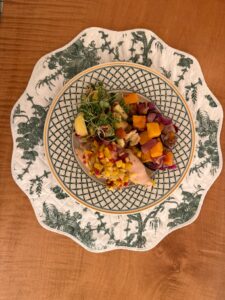
Accompanying the tangy, sweet protein-packed chicken thighs, roasted butternut squash with caramelized onions and cranberries add comforting sweetness while delivering fiber and essential minerals for steady energy.

On the side, a crunchy salad of broccoli microgreens, apples, and walnuts packs a powerful punch of phytonutrients and omega-3s to support your gut, brain, and immune system.

Best of all, each component comes together with simple prep and oven-friendly cooking—making this a weekday-friendly meal that feels like a total wellness upgrade.

Scroll down for instructions and enjoy 🙂

Want to dig deeper into this recipe to learn how foods like these are a part of our bigger food system? We’ve got something for everyone!

Baked Chicken Thighs with Mango Salsa

Serves 4

Ingredients

  • 4–6 boneless, skinless chicken thighs
  • 1 tbsp olive oil
  • 1 tsp salt
  • ½ tsp black pepper
  • 1 tsp paprika
  • 1 tsp garlic powder

Mango salsa

  • 1 ripe mango, diced
  • ¼ red onion, finely chopped
  • 1 jalapeño (optional), seeded and minced
  • 2 tbsp fresh lime juice
  • 2 tbsp chopped cilantro
  • Pinch of salt

Instructions

  • Prep chicken: Preheat oven to 350°F. Pat chicken dry. Rub with olive oil, salt, pepper, paprika, and garlic powder.
  • Bake: Place on a sheet pan skin-side up. Roast 30–35 minutes, or until internal temp reaches 165°F.
  • Make salsa: While chicken cooks, mix mango, red onion, jalapeño, lime juice, cilantro, and salt in a bowl.
  • Serve: Spoon salsa over chicken just before serving.

Roasted Butternut Squash with Cranberries 

Ingredients

  • 2 cups butternut squash, peeled and cubed
  • 1 red onion + 1 sweet yellow onion, sliced
  • 2 garlic cloves, chopped
  • 1/4 cup dried cranberries
  • 2 tbsp olive oil
  • Salt and pepper to taste

Instructions

  • Toss squash, onions, garlic, olive oil, salt, and pepper on a large baking sheet.
  • Roast at 350°F for 25–30 minutes, flipping halfway; these can go in the oven while the thighs are baking.
  • Add cranberries during the final 5 minutes to warm and soften.

Walnut & Apple Salad with Vinaigrette

Ingredients

  • 2 cups arugula, or other bitter greens of your choice
  • 1 apple, diced (Honeycrisp or Gala works great)
  • ½ cup walnuts, roughly chopped

Simple Vinaigrette

  • 2 tbsp olive oil
  • 1 tbsp apple cider vinegar or lemon juice
  • 1 tsp honey or Dijon mustard
  • Pinch of salt and pepper

Instructions

  • Whisk vinaigrette ingredients in a small bowl.
  • Combine greens, apples, and walnuts in a serving bowl.
  • Toss with vinaigrette right before serving to keep the greens crisp.

Hungry for more knowledge?

Click on the posts below to sate your curiosity about where our food comes from. And click here for more of our tried-and-true recipes. Bon appetit!

Aging: Smooth Climb…or Rapid Ascent?

As a younger parent, I was perpetually annoyed hearing things like, “Once you hit 40, it all goes downhill…and fast” That’s not due to age, I thought; that’s from life’s circumstances – kids, aging parents, job shifts, and so on.

And then I got there. For months, I felt like I was losing the battle against fatigue while somehow acquiring jitters with my second cup of coffee. Then I came across an article in the medical journal Nature, which felt like a harsh yet validating slap in the face. I guess there is something to this sudden shift in aging once we hit 40s, after all…

We all know aging is unavoidable – a constant in our lives once we reach our mid-30s. But while most of us naively liken it to a slightly uphill stroll, a recent study reveals that aging sneaks in a couple of surprising hairpin turns along the way, most likely occurring in our 40s and again in our 60s.

Sure, these shifts may be biological, but there must be things we can do to ease these blows, right? Thankfully, yes…but let’s get the basics of this study down first.

Overview of the study

The study, Nonlinear Dynamics of Multi-omics Profiles During Human Aging, takes a comprehensive look at how molecular and biological processes shift over time, offering insight into how our bodies age and which factors significantly affect our long-term health, lifestyle, and nutrition during these periods.

The Stanford University research team followed 108 California residents between the ages of 25 and 75 over an average period of 2 years. They collected massive amounts of “multi-omics” data – large sets of biological information to measure molecular activity in the body.

This comprehensive series of tests does more than just track blood pressure or glucose levels; it captures hundreds of various body functions for an individual, all at the molecular level. Multi-omics data for this study included the following lab tests:

  • Genomics: genes, or DNA; essentially the body’s instruction manual
  • Transcriptomics: RNA, shows which genes are “turned on” or active
  • Proteomics: proteins that carry out most of the body’s functions, including cytokine activity
  • Metabolomics: metabolites, or the small molecules made when your body breaks down food, drugs, or its own tissues
  • Lipidomics: fats and fatty molecules that play key roles in energy and cell structure
  • Microbiomics: microbes living in and on you that affect digestion, immunity, and mood

Rather than the collected data showing linear molecular changes over time, researchers found the opposite: most of the changes are non-linear.

In fact, only about 7% of all molecular activity studied behaved linearly with age, whereas about 80% of molecular behavior revealed far more complex, non-linear patterns.

What does “non-linear” really mean here?

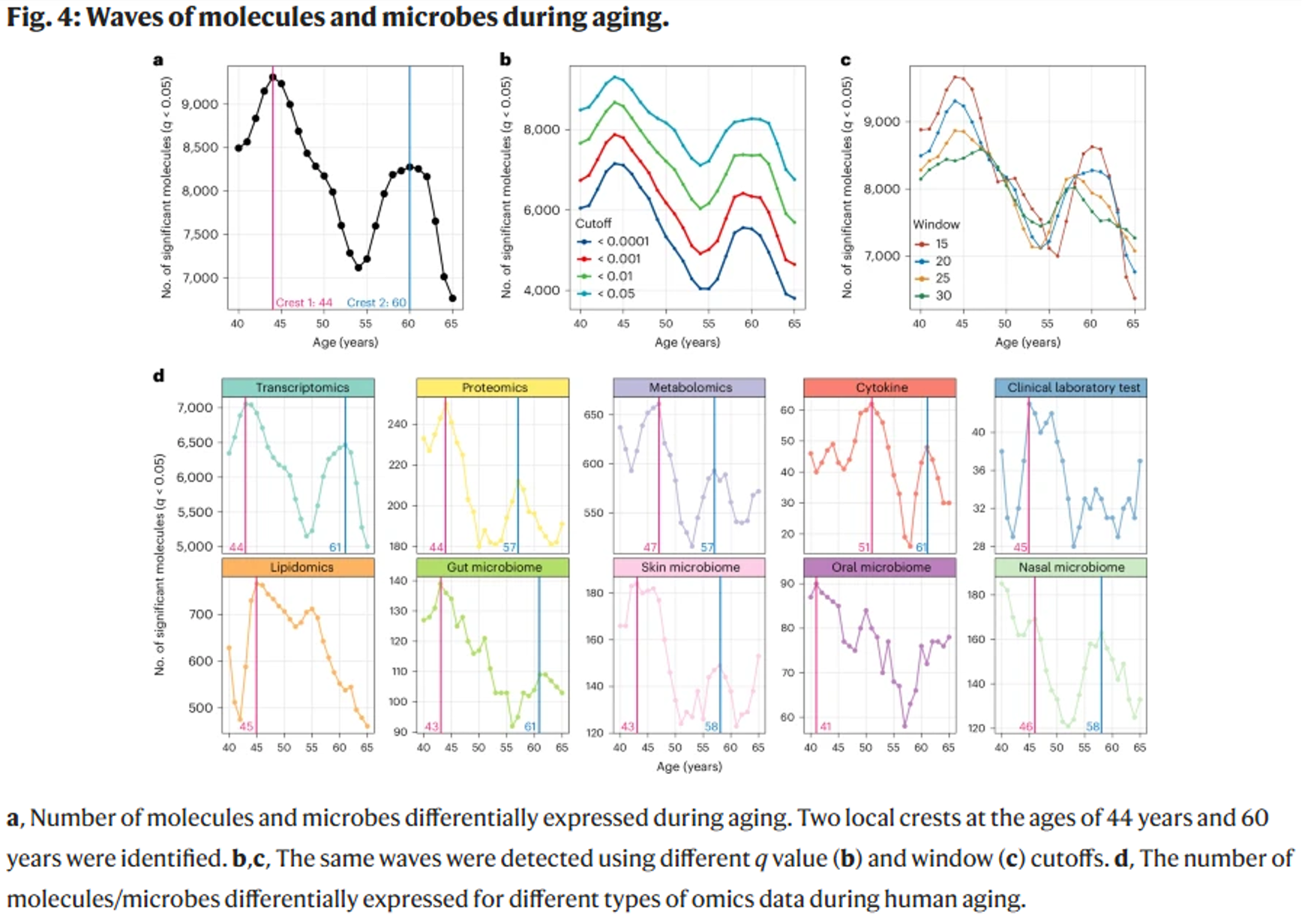
This study suggests our body’s molecular and functional “engine” doesn’t slow down gradually; it hits two major inflection points. These two major “waves” are represented in the data as significant periods of molecular disruption, occurring around ages 44 and 60.

The multi-omics data indicates that each wave is unique regarding specific changes occurring in our bodies:

Around age 44:

  • Molecular activity: significant molecular disruptions occur in lipid metabolism, alcohol metabolism, caffeine metabolism, and cardiovascular/lipid markers
  • Observations: marked decreases in metabolism, energy, and cardiovascular health indicate extra attention needed at this stage

The takeaway: Your body can’t break down fats for energy or metabolize alcohol or caffeine as well. In addition, exercise more frequently to keep your heart healthy.

Around age 60:

  • Molecular activity: significant shifts occur in immune regulation, carbohydrate and fat metabolism, kidney function, tissue and organ structural stability
  • Observations: the body’s immune system begins to change, blood sugar control can become trickier, and tissues such as muscle and skin may lose resilience

The takeaway: Be kind to your body and diversify your microbiome during this phase, as your immune system and metabolism aren’t as efficient.  Also, your kidneys and other organs are less resilient, so stay hydrated all day long.

How did researchers detect these shifts?

Scientists wanted to see how different molecules and microbes in the body shift as we age, so they used a computer algorithm called DEswan, which is like sliding a magnifying glass along the subjects’ molecular timeline. This helped them distribute people into similar age groups to spot where big shifts happened in the body’s chemistry and microbiome from one age group to the next.

When they looked at all the compiled data, that’s when they discovered these molecular changes coming in distinct waves.

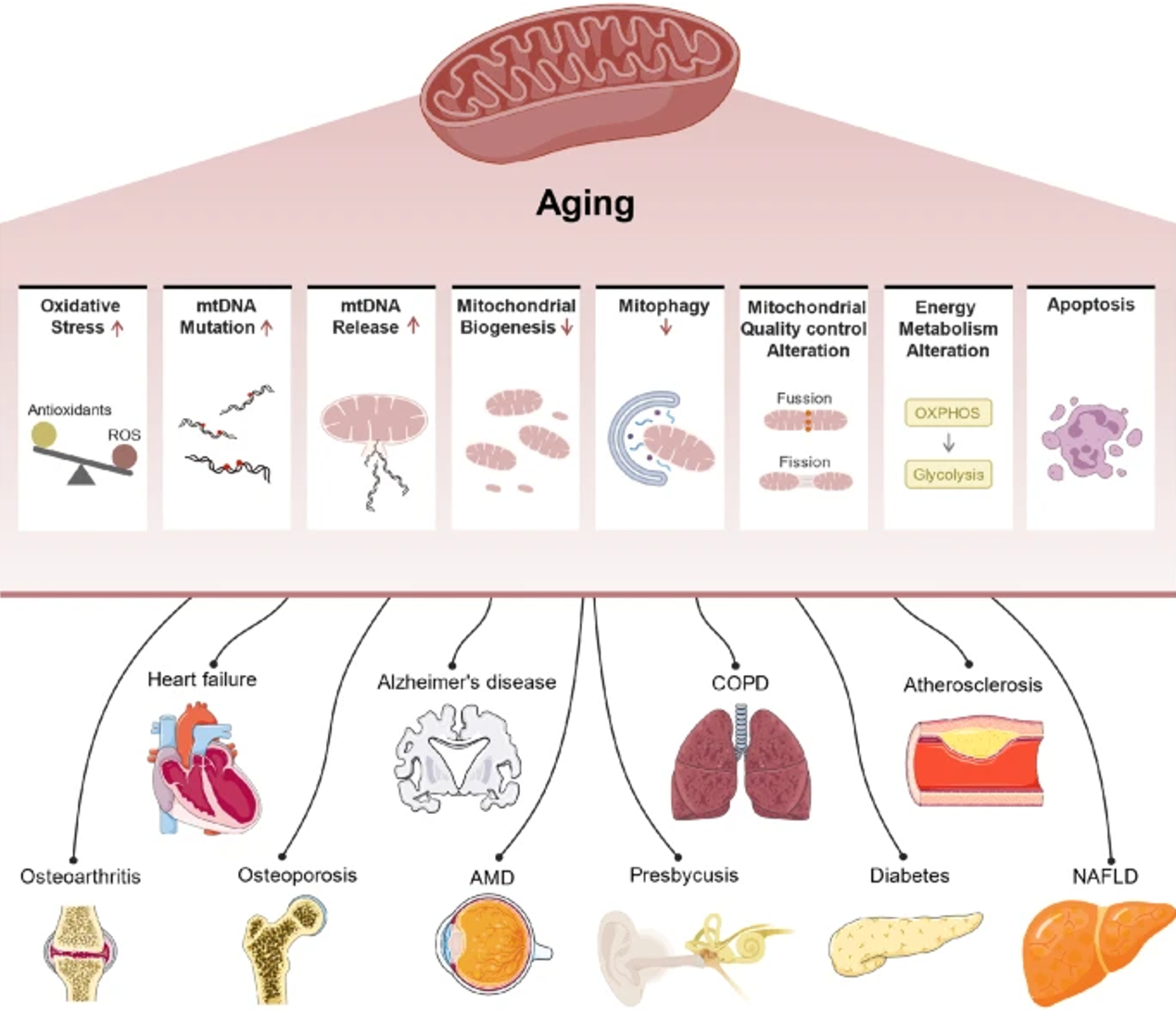
And these waves correspond with age-related illnesses, like the accelerated risk of cardiovascular disease, type 2 diabetes, and kidney disease during these inflection periods.

Though this study has been peer-reviewed, the researchers note some limitations that may not align with the broader population.

They note the relatively small cohort of 108 subjects, all aged 75 or younger and residing in California. Also, data collection was limited to about two years, whereas most aging studies are longitudinal, providing multiple years of data to mine for more concrete findings.

What can be done to slow down aging?

We often turn to social media feeds and other news sources to provide us with health and wellness solutions, especially when we see excerpts from well-known anti-aging professionals. These experts often include Dr. Peter Attia and his recent book, Outlive; Dr. Rhoda Patrick’s research on inflammation and aging; and Dr. Andrew Huberman’s conversations with fellow longevity experts, like biologist David Sinclair.

But what have studies shown us about slowing down our biological age? While more research is being conducted on the molecular indications of humans’ biological aging, here are a few studies that have shown promise in slowing down its process via our lifestyle choices, with technology potentially playing a role further down the pipeline, too.

A recent study with older adults revealed the surprising impact just three things can have on aging. Subjects who took omega-3 fatty acids and vitamin D and exercised regularly experienced a measurable slowing of biological aging, or about 3.5 months [ls3] [HK4] over three years, according to the researchers’ epigenetic clock measurements.

A meta-analysis on calorie-restricted eating studies shows that reducing caloric intake by 25% can slow our biomarkers of aging, leading to a reduction in future mortality risk. Intermittent fasting yields similar results, as well.

And ongoing research into epigenetics continues to reveal all the small ways our lifestyle and everyday behaviors can affect how our genes are expressed, including how we biologically age. Our DNA is affected by everything we experience – from the chemicals released from activity, during periods of stress, foods and drinks we consume, the quality of our sleep, and so on. So while we inherit our genes, it’s our lifestyle that helps turn them on or off.

Novel therapies in biotechnology may further slow down aging in the coming years. Recently, scientists have found that senescent cells – aged cells no longer functioning properly – can be cleared by drugs or supplements called senolytics, which helps preserve tissue integrity and reduce inflammation. And clinical trials investigating epigenetic reprogramming have found that some cells can be “reset” to help regenerate tissues and repair damage.

While we may not “stop” aging altogether, we’re gaining tools to shift the pace and perhaps extend the period of life spent in good health. But the insight from current research is actionable: aging biology is dynamic, and our behaviors can interact with that.

Tips for planning long-term health

There’s a lot of heavy information here – I know. But keep in mind that these “waves” should be used as gentle reminders for our intervention, rather than ticking time bombs.

So try to replace any doomscrolling with these helpful tips instead:

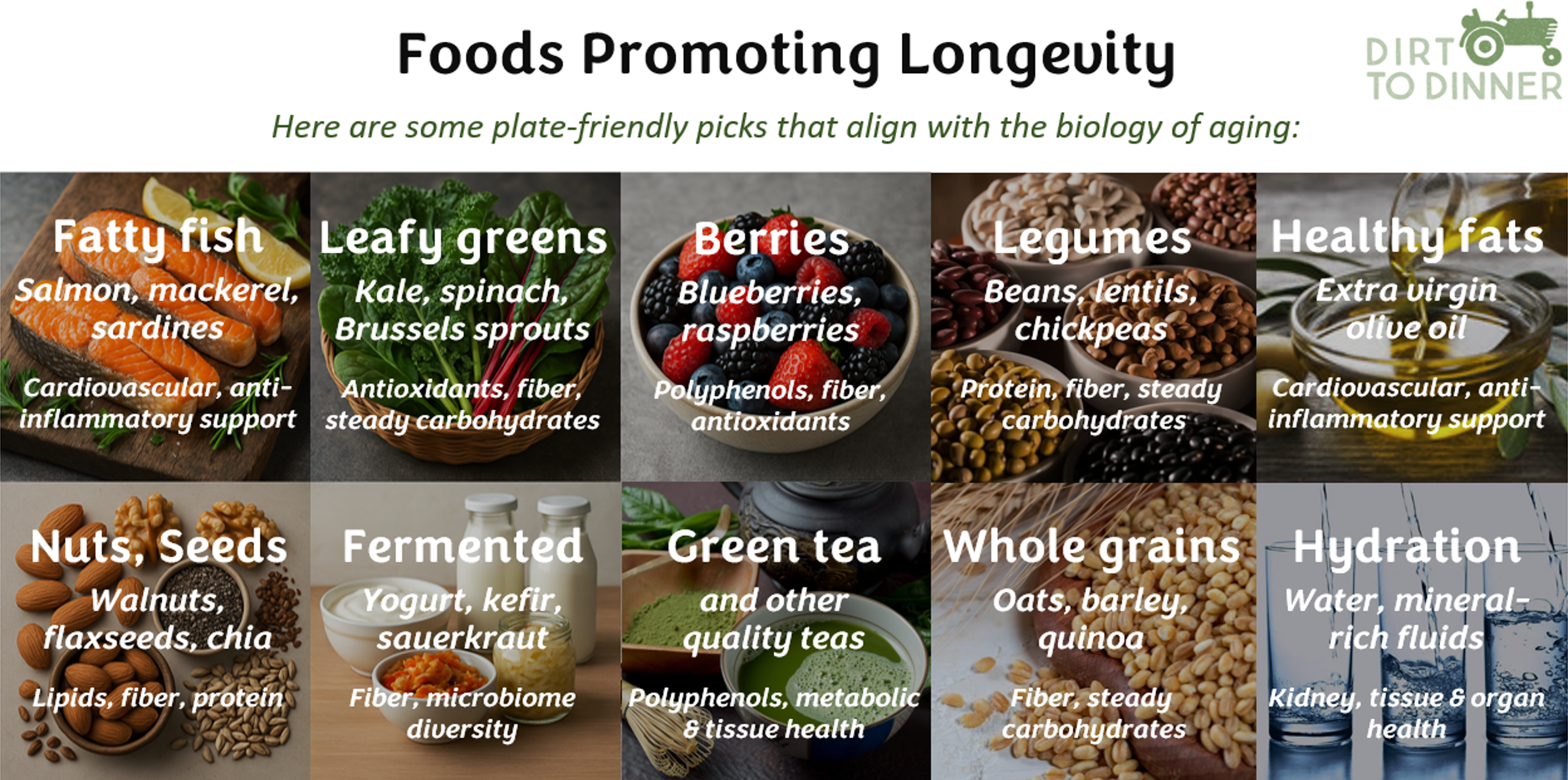
  • Follow a gut-healthy diet

  • It’s never too late to adopt a “longevity-friendly” lifestyle
    • Consider adopting a healthier approach to your eating habits, such as adhering to the Mediterranean diet and/or trying intermittent fasting
    • If you’re on the younger side, your 30s and 40s are an ideal time to build strength in metabolic flexibility by increasing muscle mass, cardiovascular resilience, and decreasing consumption of saturated fats, alcohol, and caffeine
    • As you move into your 50s and beyond, focus on resistance training and light to moderate exercise several times a week, and consume immune-supporting fruits and veggies, lean proteins, kidney-friendly hydration, and anti‐inflammatory add-ins
  • Don’t forget these crucial habits, too:
    • Exercise, sleep quality, stress management, activity level, and daily habits all feed into the molecular systems that the study highlights, like our immune system, metabolism, and tissue integrity
    • Limit consumption of alcohol, highly processed meats, sodas, and other products with excessive added sugars, as these can increase molecular disruption

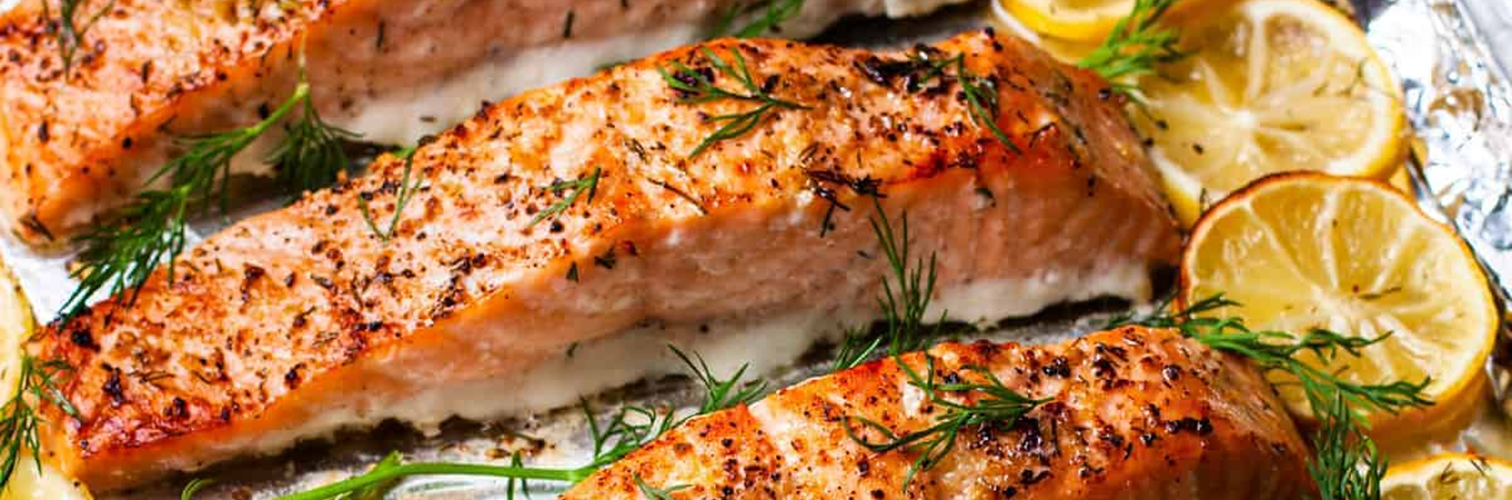
Garland’s Lemon Pepper Salmon

This recipe is for salmon lovers who believe butter is a food group and garlic is a personality trait.

It’s equal parts culinary confidence and “hmm…good enough,” with lemon juice thrown in mostly so we can pretend it’s healthy. Salmon makes it real classy and good for you, but you can also sub in any protein choice, as long as it doesn’t eat you first.

Whether you go full-Garland with five garlic cloves or stay timidly in the Nancy Zone, just be prepared for consequences — romantic or olfactory.

Pop it in the oven, pour yourself something strong, and call it gourmet…because no one needs to know how easy it was.

Lemon Pepper Salmon à la Garland

Ingredients

  • Butter: salted but unsalted acceptable (for wusses). Throw in a coupla sticks
  • Minced garlic: fresh if you have it. No more than one clove for Nancy, up to five for Garland (this is the “couch sleeping” version of the recipe)
  • Lemon juice: just to give it some tang and volume; 4-5 ounces max
  • Coarse black pepper: to taste (heavy Garland, light Nancy)
  • Sprinkling of dill & rosemary: hey, you bought it, so use it
  • Drizzle of olive oil, if desired (or too lazy to baste)

Instructions

  • Melt butter; add garlic and saute for coupla minutes
  • Add lemon juice and lotsa black pepper; simmer for a few minutes
  • Spoon over salmon. You can marinate it for a half hour if you have time, but what the heck — just throw it in the oven already
  • Baste your brains out
  • Make it fancy and add lemon slices over salmon as it cooks, if you like
  • Bake at 325 degrees F for 20 minutes, or to desired tenderness
  • Ladel sauce over salmon at presentation
  • Argue over who cleans up; Garland invariably loses

Engineering Nutrition: The Crops Changing Public Health

Hidden hunger, a diet full of calories but short on nutrients, remains one of the world’s most persistent health crises, affecting at least 20% of the global population.

Recent biomarker-based analyses estimate that hundreds of millions of children and over a billion adults are deficient in at least one essential micronutrient. The irony? We’re swimming in an abundance of calories.

Even if you eat five to seven fruits and vegetables per day, you still may have a hidden hunger for nutrients. Crops today are bred for higher yields and pest resistance, which can lead to less nutritional density. In addition, if they are overcooked, they can also lose their value – and their taste.

NIH published a report indicating the decline in the nutritional quality of foods:

“Important commercial high-yielding fruits such as apples, oranges, mango, guava, banana, and vegetables such as tomato and potato have lost their nutritional density by up to 25–50% or more during the last 50 to 70 years due to environmental, genetic, and field soil dilution factors.”

Despite the decline, eating your fruits and vegetables still has benefits!  “Food as Medicine” programs, where doctors prescribe produce the way they once prescribed pills, have shown measurable benefits in blood pressure, blood sugar, and food security.

The lesson is clear: what grows in the soil can directly affect what circulates in our blood.

Now, biotechnology is putting that on steroids. In 2025, gene editing technologies, like CRISPR and bioengineered foods, moved from promise to practice. Lettuce engineered to act like a multivitamin. A vitamin-D tomato soup being tested in humans. Bananas that don’t brown before you eat them.

Innovation in Our Fields

Across labs, fields, and supermarkets, the boundary between agriculture and health care is dissolving. Take a look at these advances in some of the daily staples in our diet today:

When a Salad Becomes a Supplement

This March, researchers at Hebrew University published a Plant Biotechnology Journal on CRISPR-edited lettuce enriched with 2.7 times the beta-carotene, almost 7 times the vitamin C, and carotenoids, which provide eye protection, antioxidants, and cognitive function — without reducing yield.

Lead author Yarin Livneh and mentor Alexander Vainstein describe it as “stacking nutrition inside a plant that millions already eat.”

Why it matters: Lettuce is one of the most consumed vegetables in the world yet contributes little nutritionally. If this fortified lettuce scales commercially, it could help chip away at “hidden hunger,” improving micronutrient intake without changing behavior.

“Gene editing gives us an unprecedented ability to improve the nutritional quality of crops without affecting their productivity.”

— Prof. Alexander Vainstein, Hebrew University

Tomatoes Proving Food Is Medicine?

In September 2025, the John Innes Centre and Quadram Institute, in England, launched the ViTaL-D trial, the first human study of a gene-edited food designed specifically to improve nutrition.

76 adults with low vitamin D consume tomato soup daily for three weeks, each serving made from tomatoes edited to accumulate provitamin D3, which converts in the body to vitamin D3.

If blood levels of D rise, it’s the first direct evidence that a crop can change a human biomarker.

Why it matters: this is the “soil-to-serum” moment, a test of whether biofortified foods can function as nutrition therapy. If successful, these tomatoes could integrate seamlessly into produce-prescription and Food-as-Medicine programs already shown to improve clinical outcomes.

“Food is health care. It’s exciting to see science enrich something as ordinary as tomato soup with the potential to improve health.”

— Prof. Cathie Martin FRS, John Innes Centre

Bananas Fighting Food Waste

Bananas are the world’s most popular fruit, and one of the most wasted. In 2025, UK biotech Tropic unveiled a gene-edited, non-browning banana that resists bruising and stays yellow hours longer after peeling, named one of TIME’s Best Inventions of 2025.

Food waste isn’t trivial: roughly one-third of food grown globally is lost or discarded, along with the nutrients it contains. When a banana stays edible longer, vitamins and calories reach people instead of landfills, while reducing greenhouse gases from decomposition.

Why it matters: waste reduction is nutrition policy in disguise. Every untossed banana delivers more potassium, fiber, and vitamin B6 to the human diet, and fewer emissions into the atmosphere.

When Innovation Meets the Consumer

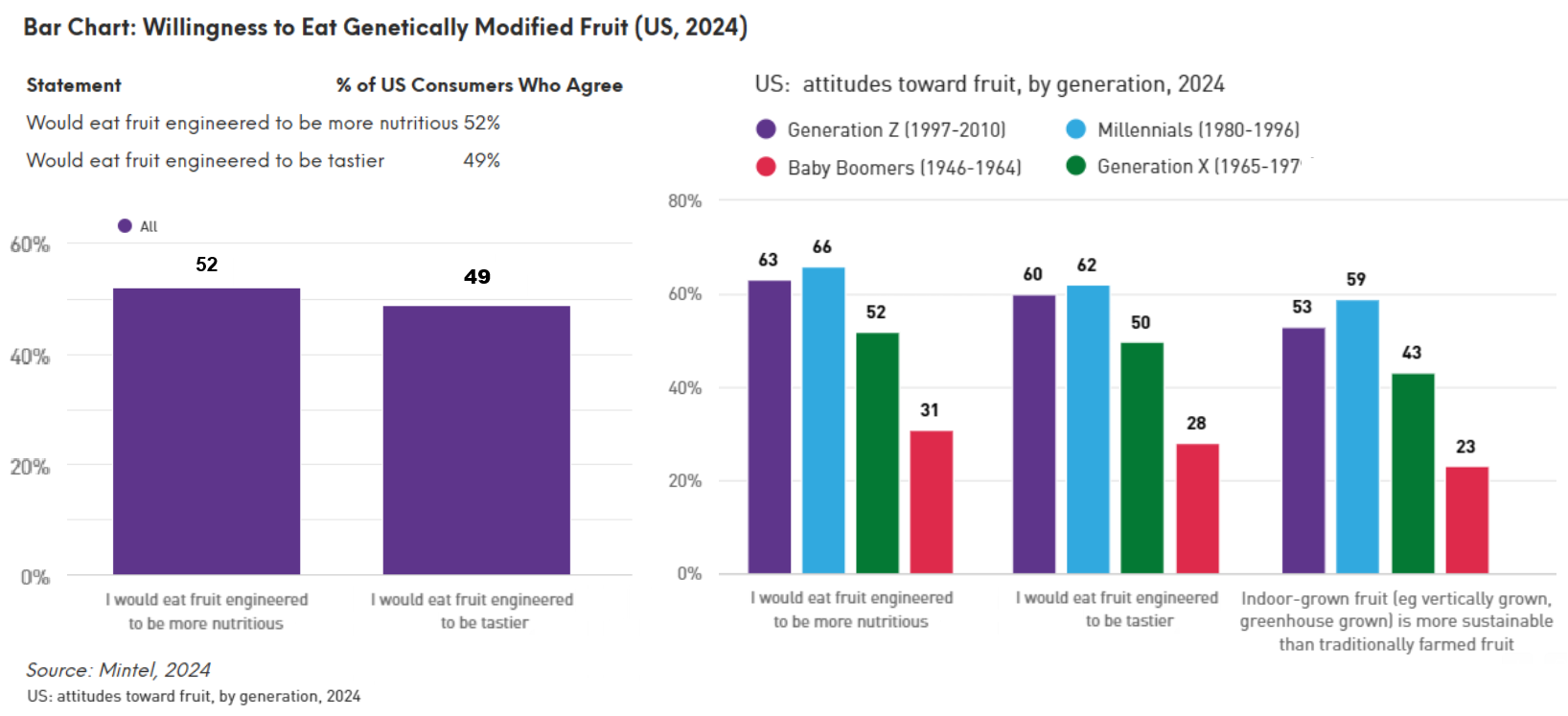
More than their parents, today’s younger consumers are willing to try vegetables and fruit that are developed to be more nutritious and tastier. Yet, history has shown that the path from soil to the consumer is not as simple.

Florida’s citrus industry offers a cautionary tale. Since 2005, citrus greening has destroyed over 80% of state production, making orange juice a luxury item. Gene-edited and transgenic trees resistant to the bacterium exist, but regulatory hurdles and consumer resistance have slowed adoption.

As one biotechnology advisor put it, “When people see biotech as saving a fruit, they hesitate; when they see it as saving their health, they listen.”

We’ve seen this before: the Hawaiian papaya only survived when virus-resistant GM varieties were planted. However, while GMOs scare the consumer, CRISPR is altering the genes in the existing fruit or vegetable.  It doesn’t seem as fearful.

At least 50% of the consumers would try CRISPR foods that are more nutritious and taste better than their original cousins. Yet for those who want to stay clear of any sophisticated gene editing, there is a company called Row 7 that is on the market today.

Row 7 works with plant breeders, farmers, seed growers, and chefs to enhance the quality and taste of vegetables as well as healthier soil. Grown organically, they are sold in some Whole Foods, Freshdirect, Misfits Market, Sprouts Farmers Market, and SweetGreen as well as specialty grocers throughout the country.

If 2024 was the year of promise, 2025 is the year of practice. Peer-reviewed, nutrient-enhanced crops; a human feeding trial proving food can change blood chemistry; microbial fertilizers that could curb emissions; and policy frameworks that finally clear a path from lab to plate.

The question isn’t if “food as health tech” will scale — it’s how fast and who will lead. Because the next generation of superfoods won’t come from supplement aisles, but from the soil itself.

Sugar Substitutes: Healthy swap or sneaky trick?

Sugar substitutes are everywhere: splashed across “zero-sugar” sodas, stirred into your morning coffee, mixed into protein bars and powders that promise taste without the calories.

Whether or not we’ve been aware of these products beyond the diet section of the soda aisle, they’ve been a part of our food system for over a hundred years, and even among some indigenous populations for over a millennium.

Sugar substitutes became common last mid-century, with food manufacturers creating sweet-tasting treats for the diabetic population that wouldn’t spike their glycemic levels and insulin release. But now with the proliferation of keto, low-sugar, added protein, and net-zero carb products lining supermarket aisles, there’s a larger spotlight on alternative sweeteners.

Are these substitutes truly better for us than sugar, or a different route to the same metabolic potholes…or something worse?

Let’s break down the different types of substitute sugars, how they behave in the body, and what recent studies reveal about long-term health, including weight, heart, and cognitive outcomes.

What is a “sugar substitute”?

“Sugar substitutes” are lower or no-calorie compounds that add sweetness to foods and beverages with minimal effect on calories or insulin spikes. (If you’re looking for information on sugar and sweeteners, like table sugar, agave nectar, and honey, be sure to read this post.)

And it’s no wonder these sweet substitutes exist: we love sugary stuff, but it can wreak havoc on our health if we overindulge on sugary sodas, snacks, breakfast items, and desserts, just to list a few temptations.

That’s why about a quarter of U.S. adults use a sugar substitute daily – we want the sweetness, but not the calories and associated health risks.

Are sugar substitutes safe?

All sugar substitute products available for purchase in the United States have been reviewed and approved by the U.S. Food & Drug Administration.
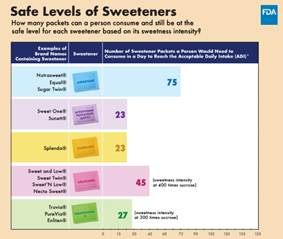
Generally regarded as safe, these products have few reported health risks when ingested, according to FDA guidelines and global regulatory bodies. Any potential adverse effects can be averted by not overusing these products.

However, several reports show some of these sugar substitutes may have health risks of their own, including disruption of the gut microbiome and the gut-brain axis, increased neurological inflammation, and most ironically, weight gain and increased risk of diabetes.

Adding to the roster of health concerns, a recently released Brazilian study garnering worldwide media attention linked cognitive decline with various sweeteners, including aspartame, saccharine, ace-K, xylitol, and erythritol.

But, as cautionary as the health risks might feel, these studies require more research to be conducted as it relates to their causation of underlying health issues, as opposed to correlation – which is what many of these studies are based on. Plus, with any study, it’s important to examine data collection and assessment practices.

For instance, without a control group to isolate its findings, data collection methods for the Brazilian study require some scrutiny. Also, the researchers estimated consumption based on subjects’ indicated sweetener habits, not by measured intake. Because of this, more studies with stringent data collection protocols should be conducted before drawing any causal links, if any.

“While the finding that high consumption is linked to a faster decline is thought-provoking, it’s crucial to immediately highlight what the researchers themselves pointed out: this study shows a link, not a cause.

[This study] doesn’t prove that sweeteners are responsible for cognitive decline. It’s possible that other lifestyle factors associated with high sweetener consumption are at play.

Dr. Kamal Wagle, MD

And lastly, no matter what any study reports or social media claims, not all bodies react the same way. Individual genetics, dietary patterns, predisposition to disease, and gut microbiome all play a role. While these products may not affect many of us, some may incur an unintended reaction due to our body’s particular composition and habits.

Sugar substitute categories

While all sugar substitutes are designed to satisfy our sweet tooth with fewer calories, each type is derived differently. Because of this, consumers often classify sugar substitutes into the following categories:

  • Low or no-calorie artificial sweeteners are the most common additives in beverage products because they’re powerfully sweet with little to no energy
  • Sugar alcohols are linked to sugar molecules but behave differently in digestion, rendering them lower calorie due to malabsorption
  • “Natural sweeteners” are plant-derived or “rare” sugars gaining mainstream popularity

So let’s dive into each category to better understand them…

Artificial sweeteners: Do they help us lose weight?

Artificial sweeteners have been around for years, with saccharine pioneering the sweetener scene at the turn of the 19th century.

Though they’ve been around for a long time, these sweeteners became part of the household during the dieting trends of the 1960s and ‘70s. Since then, more players have entered the market, most notably aspartame, acesulfame-K, and sucralose – America’s preferred sugar substitute.
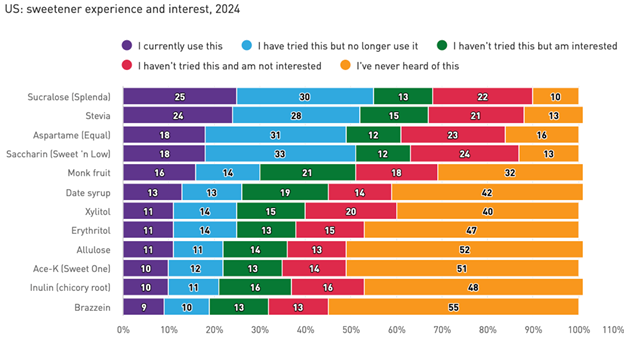
Though they may look and taste similar, each compound is unique. For instance, aspartame, a combination of two amino acids, gets digested in the small intestine, just like a protein. However, other popular sweeteners like sucralose, saccharin, and ace-K are largely unmetabolized in the body and simply excreted.

As far as using artificial sweeteners to lose weight, the results vary by use. In studies where no-calorie sweeteners replace sugar-sweetened beverages, you can see modest benefits: slight drops in body weight, fat mass, and sometimes improved risk markers.

However, if you swap water for a diet soda or eat a bunch of snacks labeled “sugar free”, there’s little to no evidence that link these sweeteners with weight loss. Worse yet, several studies link the consumption of artificial sweeteners to increased type 2 diabetes risk. Seems counterintuitive, right?

Implications beyond the waistline exist, too. Several studies have shown that sucralose, saccharine, and ace-K can disrupt the gut microbiome, leading to various health risks. But, remember, these correlational studies do not identify these sweeteners as the sole contributor to these health risks.

Though it’s easy to assume that overuse of these substitutes may lead to weight gain and diabetes, we can equally assume that these sweeteners can act as proxies for a broader pattern of repeated attempts to curb our weight via fad diets and food products.

And these concerns aside, sweeteners can help when used in place of sugar, especially for those consuming high sugar loads.

Sugar alcohols: Is it worth having no sugar spike?

Sugar alcohols, like erythritol, xylitol, sorbitol, and maltitol, have been around for over 100 years, when scientists discovered these ‘polyols’ by hydrogenating traditional sugars, like glucose. This led to a low-calorie product with a pleasant, sweet taste.

In the 1950s, doctors found that these sugar alcohols had no effect on blood glucose and inulin responses. Thus, they were quickly introduced into “diabetic-friendly” food and medical products, like cough syrups and oral suspensions. Doctors also discovered its anti-cavity properties, making sugar alcohols a beneficial addition to dental products and chewing gums. Today, they’ve been added to more trendy products, like net-zero carb protein bars and powders.

What makes sugar alcohols unique is their slow absorption in the small and large intestines. However, they can sometimes cause gastrointestinal distress when consuming more than the FDA’s recommended intake, especially with larger-molecule sugar alcohols like maltitol and isomalt.

Several studies found sugar alcohol’s potential ill effects beyond the gut. A recent paper linked elevated plasma levels of erythritol and xylitol to a greater risk of major adverse cardiovascular events, including stroke and heart attacks resulting from blood clots.  However, an investigative report in the Journal of Toxicology and Regulatory Policy found “no evidence that erythritol causes adverse health effects in humans at exposure levels commonly found in foods and beverages.”

Natural sweeteners: A health halo?

To many, natural sweeteners feel safer, more wholesome, and less processed.

Take a look at stevia: this South American herb has been used by indigenous tribes for more than 1,500 years. However, with its naturally greenish-brown color and bitter taste, Western consumers found it a bit too “natural”. But in the late ‘90s, stevia got a food processing makeover, refining the herb to look like traditional sugar substitutes.

Though not all stevia products are harvested from the herb itself, consumers still find the product widely appealing, boosting it to the #2 spot in sugar substitute popularity. Furthermore, it doesn’t raise blood sugar levels: stevia, like fiber, is digested in the gut, metabolized very little in the liver, and then flushed out of the body.

And now other natural sweeteners are on the rise, including:

Monk fruit

Extracted from a melon in southern China, the rind and pulp of these fruits yield intense sweetness with negligible calories. To reduce its sweetness and make it look more palatable, monk fruit products are often blended with another sugar substitute, like erythritol or allulose. It doesn’t raise blood sugar levels and is digested and excreted, like stevia.

Allulose

This “rare sugar”, occurs in figs, raisins, and maple syrup, and has about 70% the sweetness of table sugar but only 5% of sugar’s caloric load. Allulose is ideal for drinks, baked goods, and as a sweetener. It incurs minimal metabolization in the body, leaving blood sugar levels unaffected. Allulose may have benefits, as well: a study published in Nutritional Neuroscience reported it can alleviate metabolic and cognitive issues in prediabetic rats. However, this is the only study reporting these results at this time.

Tagatose

Another “rare sugar”, tagatose has sweetness similar to sucrose, with a trace presence found in dairy products, apples, oranges, and pineapples. Because it has about 40% of sugar’s caloric load, it doesn’t cause a glucose spike, per se, but will raise blood sugar levels. And because it has more calories than other substitutes, the liver has more to metabolize after it gets absorbed in the gut.

Chicory root

Though this herb is not as sweet as sugar, it’s often used to replace some of the sugar content in food products and may also include other sugar substitutes to further reduce caloric load. Also called inulin, this functional fiber adds bulk, retains moisture, and creates a pleasant mouthfeel to baked goods and shelf-stable snacks. It’s slowly digested in the large intestine, which makes it a great prebiotic and creates a longer-lasting feeling of fullness. But that comes at a price when overconsumed: its high fiber concentration can create notable gastrointestinal distress.

Modifying your Desired Level of Sweetness

The problem isn’t necessarily sugar or sugar substitutes – it’s often that we get used to the level of sweetness these compounds provide.

Making matters harder for us is that many of these sugar substitutes are multitudes sweeter than sugar – I’m talking about 300 times sweeter, like stevia and monk fruit. And when we’re frequently exposed to this level of sweetness, our palate and our brain come to expect it, thus creating a viciously sweet cycle.
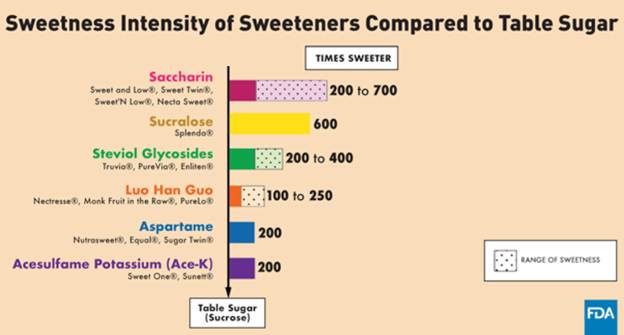
What can we do to monitor our sweetness consumption? Here are some practical tips to get you started:

  • First, determine how much you’d like to reduce sweet products from your diet. Are you still sticking with one diet soda per day that replaced its sugary counterpart? Maybe you’re all set! Or maybe you’ve started chewing more gum or eating more sugar-free mints since moving to diet soda. Take a good, hard look.
  • Next, plan small steps you can take to move in that direction. Are you consuming regular soda? Perhaps consider swapping in diet soda as a short-term goal to reduce your sugar intake. And when you get used to that, start introducing flavored seltzers into your diet. Before you know it, you’ve curbed your desired sweetness level. The same goes for snacks…consider eating fruits and whole foods on occasion instead.
  • Consider your personal health concerns. If you have cardiovascular risk, consider stevia. If you’re prediabetic, maybe erythritol is a good option. And if you have digestive issues, try allulose.
  • Make a conscious effort to practice moderation. Use sugar substitutes as a tool, not a crutch. Pair them with nutrient-dense whole foods and focus on retraining your palate to appreciate natural sweetness again.