I started thinking differently about nutrition when I was pregnant. For the first time, nutrients felt tangible and consequential. Iron was tied to oxygen delivery and fatigue. Folate suddenly mattered for neural development. Choline, vitamin D, DHA, calcium, iodine, all of it became part of a daily mental checklist. It was the first time I fully understood how precise nutrition can be.
That experience also changed the way my husband and I thought about supplements. Like many adults, we started asking familiar questions: Is our diet supporting energy, longevity, immune health, and brain function? Are supplements a reasonable safety net? And if so, where do they actually fit alongside a healthy diet?
The Lure of Supplements
Those questions now exist inside a much larger wellness culture. Supplements are no longer reserved for obvious deficiencies or specific medical needs. They have become part of a broader optimization movement shaped by wellness influencers, podcasters, physicians on social media, and longevity-focused personalities. Figures like Andrew Huberman, Rhonda Patrick, and Joe Rogan regularly discuss highly detailed supplement routines involving magnesium, creatine, omega-3s, vitamin D, probiotics, NAD precursors, and dozens of other compounds designed to improve performance, cognition, recovery, and long-term health.
What often gets lost in the broader wellness conversation, however, is that even many of these experts frame supplements as additions to an already strong nutritional foundation, not replacements for one. Huberman has repeatedly emphasized that supplements cannot compensate for poor nutrition or lifestyle habits, while Patrick frequently stresses that diet should remain the primary source of nutrients, even when targeted supplementation is appropriate.
The nuance can disappear online. Consumers are exposed to highly optimized supplement “stacks” without always hearing the surrounding context: bloodwork, physician guidance, sleep, exercise, dietary quality, medications, genetics, or whether a true deficiency exists in the first place. The result is that supplementation can start to feel like a shortcut to health optimization rather than what the evidence more consistently supports, which is a complementary strategy layered onto an already nutrient-dense diet.
The appeal is understandable. Supplements feel measurable and controllable. A capsule offers precision. Food can feel inconsistent and messy.
And in a culture where people are juggling work, stress, parenting, aging, fitness goals, and even medications that alter appetite, supplements can seem like the easiest way to “cover the bases.”
But that perception starts to break down when you think about nutrition the way we think about children’s nutrition. With two young kids, I am constantly reminded that their nutritional foundation comes almost entirely from food, from what they actually eat and what their bodies can absorb. Supplements may sometimes play a role, but they are not the foundation. And that raises an uncomfortable question for adults: if food is still the nutritional foundation for growing bodies, why do we so often assume supplements can carry that role for us?
The Persistent Nutrient Gap
Despite decades of dietary guidance, Americans continue to fall short on several key nutrients. Federal nutrition data consistently identify dietary fiber, potassium, calcium, and vitamin D as nutrients of public health concern because they are under-consumed and associated with adverse health outcomes. Iron remains a critical nutrient for women of childbearing age and during pregnancy, when requirements increase significantly. Vitamin D status has also received greater attention in recent COVID years because of its role in immune function, bone health, inflammation, and overall metabolic health.
The scope of the gap is broader than most people realize. Analyses of national intake data show that many Americans consume insufficient levels of magnesium, choline, and vitamins A, C, D, and E. These are not marginal deficiencies. They reflect a pattern of dietary intake that does not consistently meet physiological needs.
Fiber is one of the clearest examples. The recommended intake is approximately 25 to 38 grams per day, yet average intake in the United States hovers around 15 grams. Potassium intake tells a similar story. Recommended levels are in the range of 2,600 to 3,400 milligrams per day depending on age and sex, but most Americans fall well below that threshold. Calcium intake remains inadequate in large segments of the population, particularly among adolescents and older adults. Vitamin D inadequacy persists because dietary sources are limited and sun exposure varies widely.
What is striking is not just the existence of these gaps, but their persistence. We have more nutrition information, more supplements, more wellness content, and more products than ever before, but the core gaps remain stubbornly tied to dietary patterns. Americans are not falling short because they forgot to buy the right bottle. They are falling short because too many daily eating patterns do not consistently include enough beans, lentils, vegetables, fruit, dairy or fortified alternatives, seafood, nuts, seeds, and whole grains.
The GLP-1 Question
This is also where the rise of GLP-1 medications adds a new layer to the conversation. These drugs can be transformative for weight management and metabolic health, but they also reduce appetite and, for some people, the total amount of food consumed. That can be a benefit, but it also raises a nutritional question: when people are eating less, are they eating better?
A smaller appetite does not automatically create a more nutrient-dense diet. If someone is eating significantly less food but still choosing the same low-fiber, low-protein, low-potassium, highly processed pattern, nutrient gaps can become more important, not less. Protein, fiber, calcium, vitamin D, iron, magnesium, and overall micronutrient density deserve particular attention when total intake falls. Supplements may help fill targeted gaps, but they cannot make up for the loss of a balanced dietary pattern, especially if reduced intake leads to inadequate protein, fewer plant foods, and less variety.
This is one reason the supplement conversation needs to be practical rather than ideological.
The goal is not to dismiss supplements. The goal is to ask whether they are being used to support a strong food foundation or to compensate for the absence of one.
The Supplement Paradox
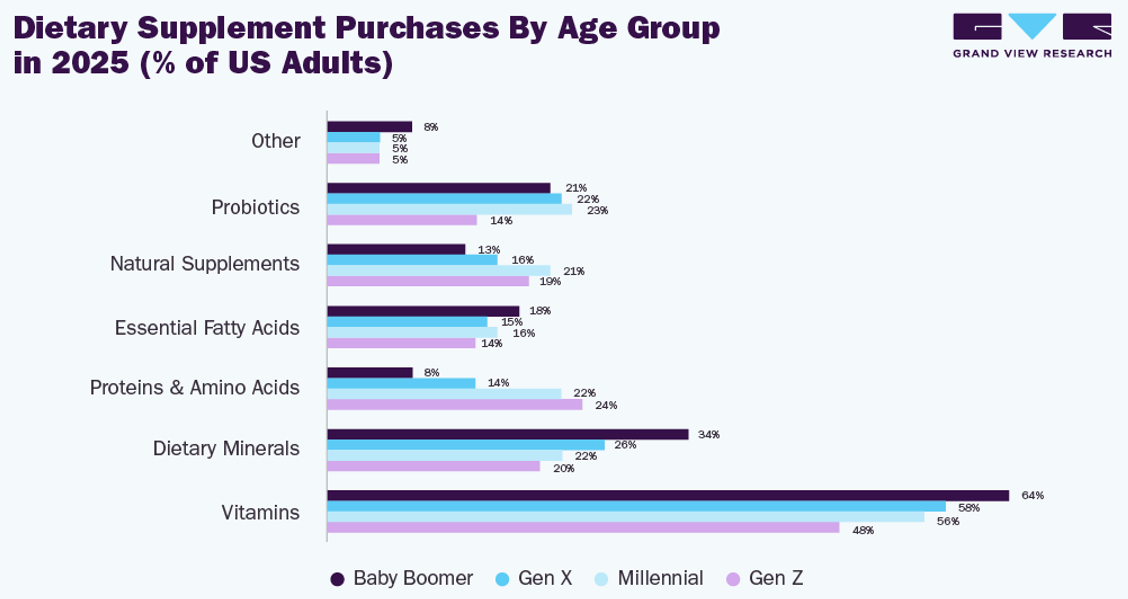
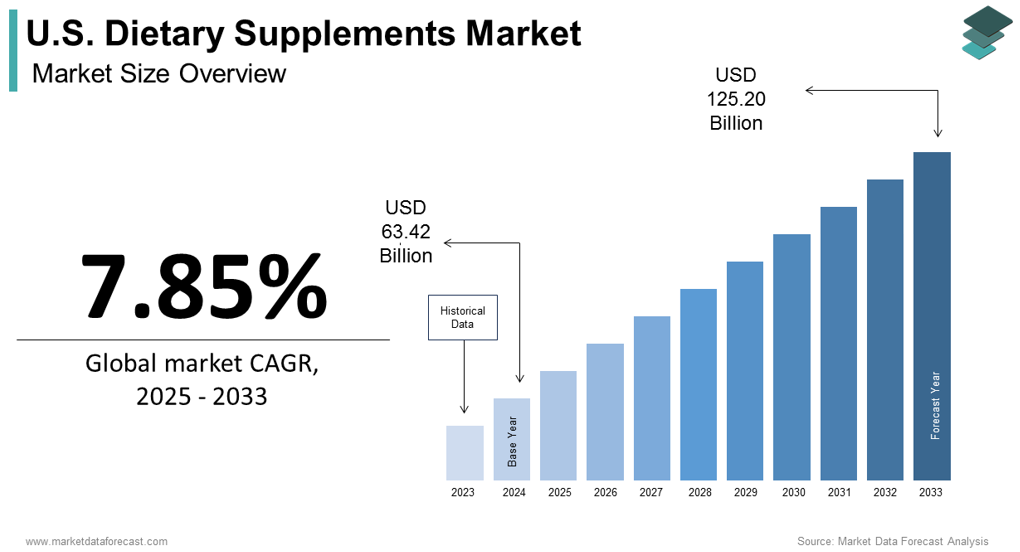
At the same time that nutrient gaps remain, supplement use has become nearly ubiquitous. Data from the Centers for Disease Control and Prevention show that more than half of U.S. adults report using a dietary supplement in a given month. Industry estimates place that number even higher. The U.S. supplement market has grown into a multi-billion-dollar industry, with tens of thousands of products marketed for energy, immunity, longevity, cognitive function, sleep, stress, beauty, gut health, and general wellness.
Supplements are widely used as a form of nutritional insurance. Multivitamins, vitamin D, vitamin C, magnesium, collagen, creatine, probiotics, and omega-3 fatty acids are among the products many consumers recognize immediately. Yet the nutrients most commonly supplemented do not always align with the nutrients most commonly lacking.
Fiber, one of the most significant gaps, is rarely addressed through supplementation in a meaningful way. Potassium, another major shortfall, is difficult to supplement at physiologically relevant doses because over-the-counter products are typically limited for safety reasons. Calcium and vitamin D are more commonly supplemented, but intake gaps remain. This disconnect highlights a central issue. We are not necessarily supplementing the nutrients we need most. We are often supplementing what is available, familiar, marketed well, or endorsed by people we trust.
That does not mean those trusted voices are wrong. Many credible experts use supplements for specific reasons: bloodwork, training goals, pregnancy, restricted diets, aging, deficiency risk, or personal experimentation. But what gets lost in translation is context. A supplement routine that makes sense for a neuroscientist, endurance athlete, menopausal woman, pregnant patient, or someone with documented low vitamin D may not make sense for a generally healthy adult who has never checked their levels and is simply copying a protocol from the internet.
Food, Bioavailability, and Context
The discussion around supplements often centers on bioavailability, but this concept is frequently oversimplified. It is true that some nutrients are highly bioavailable in supplement form. Folic acid, for example, is more bioavailable than naturally occurring food folate, which is one reason folic acid supplementation has been so effective in reducing neural tube defects.
However, bioavailability is not the only variable that determines nutritional impact. Whole foods deliver nutrients within a complex matrix that includes fiber, fats, proteins, water, minerals, phytochemicals, and other bioactive compounds. These components interact in ways that influence digestion, absorption, metabolism, satiety, and the gut microbiome. Dietary fat enhances absorption of fat-soluble vitamins such as A, D, E, and K. Vitamin C enhances absorption of non-heme iron. Fiber affects glycemic response and supports microbial fermentation in the gut, producing short-chain fatty acids that play roles in metabolic health.
Supplements isolate nutrients from this context. They deliver specific compounds, often in higher concentrations, but without the accompanying structure and interactions found in whole foods. This distinction matters. Fortified and enriched foods, such as fortified cereals, dairy alternatives, and enriched grains, also play an important role in helping close nutrient gaps because they deliver added nutrients through familiar foods that are already part of many people’s daily eating patterns.
Potassium illustrates this clearly. While potassium supplements exist, they are typically limited to small doses, often around 99 milligrams per serving, due to safety considerations. In contrast, a single serving of a potassium-rich food such as a baked potato, a cup of beans, yogurt, squash, spinach, or avocado can provide several hundred milligrams. Closing the potassium gap is fundamentally a dietary issue, not a supplementation issue.
Fiber presents a similar challenge. Fiber supplements can contribute to total intake, and they may be useful for some people, but they do not fully replicate the structural complexity of whole plant foods or their effects on satiety, chewing, meal quality, and the gut microbiome. The benefits of fiber extend beyond the isolated compound.
Iron further demonstrates the importance of context. Heme iron from animal sources is more readily absorbed than non-heme iron from plant sources. The absorption of non-heme iron is influenced by enhancers such as vitamin C and inhibitors such as phytates. These interactions occur within meals, not within isolated supplements.
The point is not that supplements are ineffective. It is that their effectiveness is often conditional. I learned this the hard way during my first pregnancy. I was diligent about taking my prenatal every single day and assumed that meant I was fully covered, but at a routine check, my iron levels still came back low. It wasn’t until I started paying attention to how I was actually eating, adding more iron-rich foods and pairing them with vitamin C, that things improved. That was when it clicked for me: the supplement was helping, but it was not replacing the diet around it.
Health Outcomes and Evidence
The question that ultimately matters is whether supplements improve health outcomes. The evidence is nuanced.
Large observational studies and meta-analyses have generally found limited evidence that routine supplement use reduces the risk of chronic disease or mortality in otherwise well-nourished populations. Research from institutions such as Tufts University has found that adequate nutrient intake from food is associated with lower risks of mortality, whereas similar intake from supplements does not show the same association.
Another dimension that is often overlooked is the regulatory environment. Dietary supplements are not regulated in the same way as pharmaceutical drugs. In the United States, manufacturers are responsible for ensuring the safety and labeling of their products, but pre-market approval is not required. This framework allows for significant variability in product quality, composition, and purity.
Studies have identified discrepancies between labeled and actual ingredient content in some supplements, as well as contamination with substances such as heavy metals or undeclared compounds. There is also the potential for interactions with medications and for adverse effects at high doses. Excess intake of certain nutrients, such as calcium or fat-soluble vitamins, can have unintended consequences.
These risks do not negate the value of supplements, but they underscore the importance of using them judiciously and with appropriate guidance. I felt this firsthand postpartum, when I was taking a mix of supplements recommended casually by friends and things I had seen online, assuming more would be better as I tried to recover and keep up with two young kids. It wasn’t until I brought everything I was taking to my doctor that I realized there were overlaps, unnecessary doses, and combinations that did not actually make sense for me. It was a simple moment, but it reinforced that even with something as seemingly benign as supplements, intention and guidance matter as much as the product itself.
A Shift in Perspective
As a parent, the most meaningful shift for me has been recognizing that my children’s nutrition has to come almost entirely from what they eat. At this age, supplements are not really part of the equation, so their intake is built meal by meal, snack by snack, often imperfectly and unpredictably. Some days they eat everything I hope they will. Other days they do not. That reality makes the importance of a consistent, nutrient-dense diet feel much more immediate.
It has also changed how I think about adult nutrition. Supplements can be useful. In some cases, they are necessary. They play a critical role in pregnancy, certain deficiencies, restricted diets, aging, bone health, anemia, and medically defined needs. I experienced this in an everyday way when routine bloodwork showed I was low in vitamin D despite generally eating well and spending time outdoors. Adding a targeted supplement based on that data moved the needle and helped bring my levels back into range. It was a clear reminder that when used with intention and for a defined need, supplements can be incredibly effective.
But nutrition is not something we can outsource entirely to a product. It accumulates over time through patterns of eating.
Supplements can support those patterns, but they cannot replace them.
Organizations like the American Heart Association continue to emphasize that nutritional needs should primarily be met through foods. That is not a rejection of supplements. It is a recognition of their role.
The more complicated truth is that supplements work best when they are boring: targeted, evidence-informed, and connected to an actual need. They become less useful when they are treated as a substitute for dietary quality, a shortcut to longevity, or a protocol copied from someone else’s body, lab work, lifestyle, and risk profile.
America’s most persistent nutrient gaps, particularly in fiber, potassium, calcium, vitamin D, and overall dietary quality, are not problems that can be solved in a bottle. They are problems rooted in how we eat. And for me, that realization started with pregnancy, evolved through early motherhood, and continues every time I think about what my children are actually getting from the food in front of them.





 With AI, they also can learn and act independently to adapt and adjust for greater efficiency and effectiveness. Robots no longer are dumb mechanical devices but rather smart, efficient actors in producing the food we all consume.
 Using AI, their products use sensors and visual tools to identify individual weeds and direct their removal – all with an accuracy measured in millimeters. That level of automated precision not only helps farmers be more efficient, it also provides an enormous opportunity to avoid actions harmful to the environment.
 John Deere’s 9RX tractor – which the company touts as “the smartest John Deere tractor you can buy” can be yours new for about $1 million – or maybe a touch more. The 9RX is indeed a marvel – no manual steering, data sharing and streaming-ready, satellite-connected, capable of syncing with other machines… and fully engineered to use up to 140 different software packages that help make farming faster, better and more responsible than ever before.
 People along that chain are working every day to think of new ways to make technology work even harder to do more. We’re finding more ways to assure the efficient, profitable production of the foods we depend upon every day.
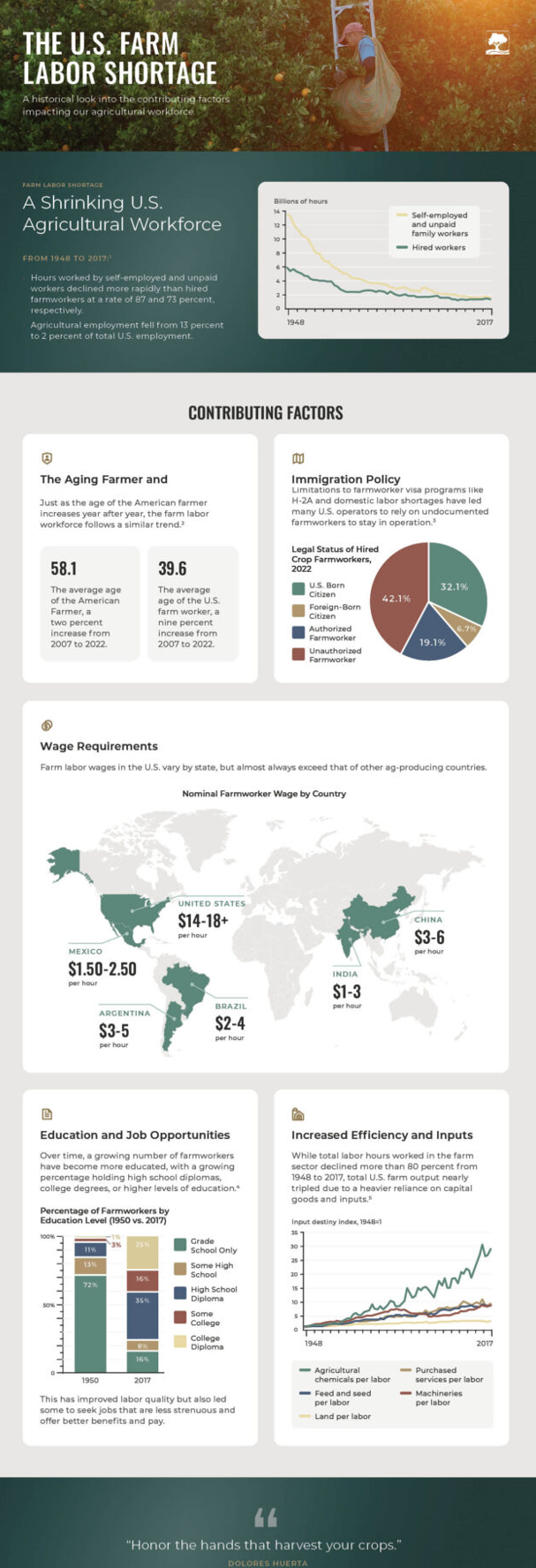
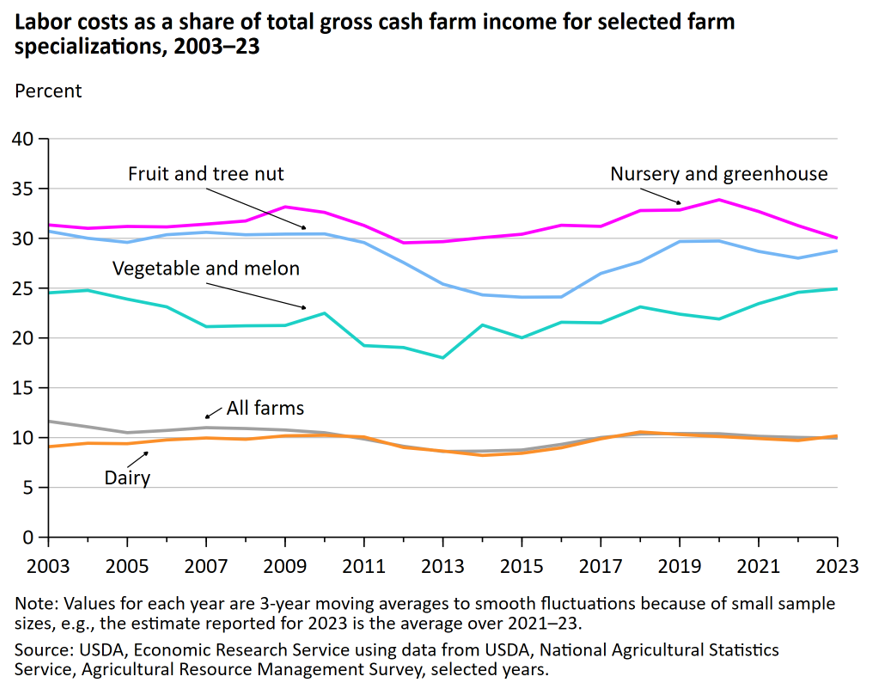 In the current market environment facing farmers, saving pennies wherever possible is a major consideration. The cost of crop inputs, energy and labor are key factors in profitability – and survival. As costs for fertilizer and other inputs rise, energy costs soar and overall inflation eats away at household financial security, farmers simply can’t afford to ignore the labor challenge. The face of farming is changing. It simply has to in order to survive.
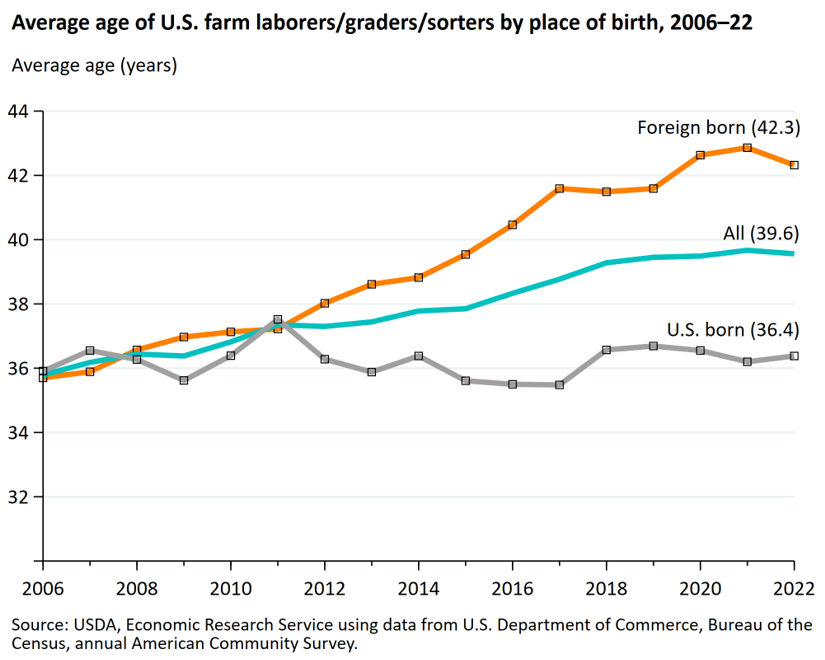 Much of the farm labor force also shows signs of aging – especially the immigrant workers on which our system depends. The average age of an
 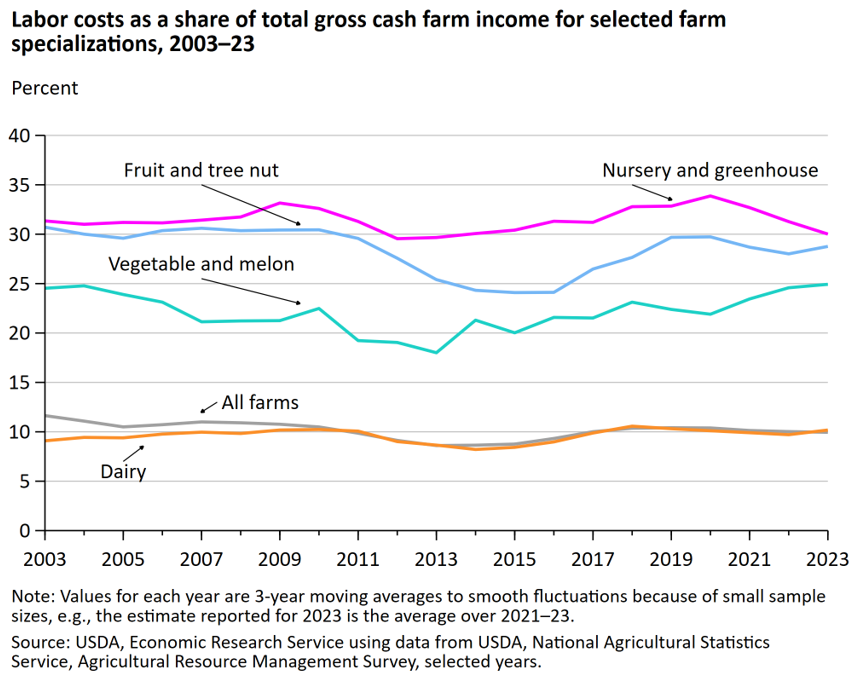 Fruit and vegetable production is notably labor-intensive, and often seasonal. But other sectors – such as dairy and poultry – also demand lots of plain old hard labor. Further down the food chain, processing operations (notably meat and poultry) depend heavily upon immigrant labor.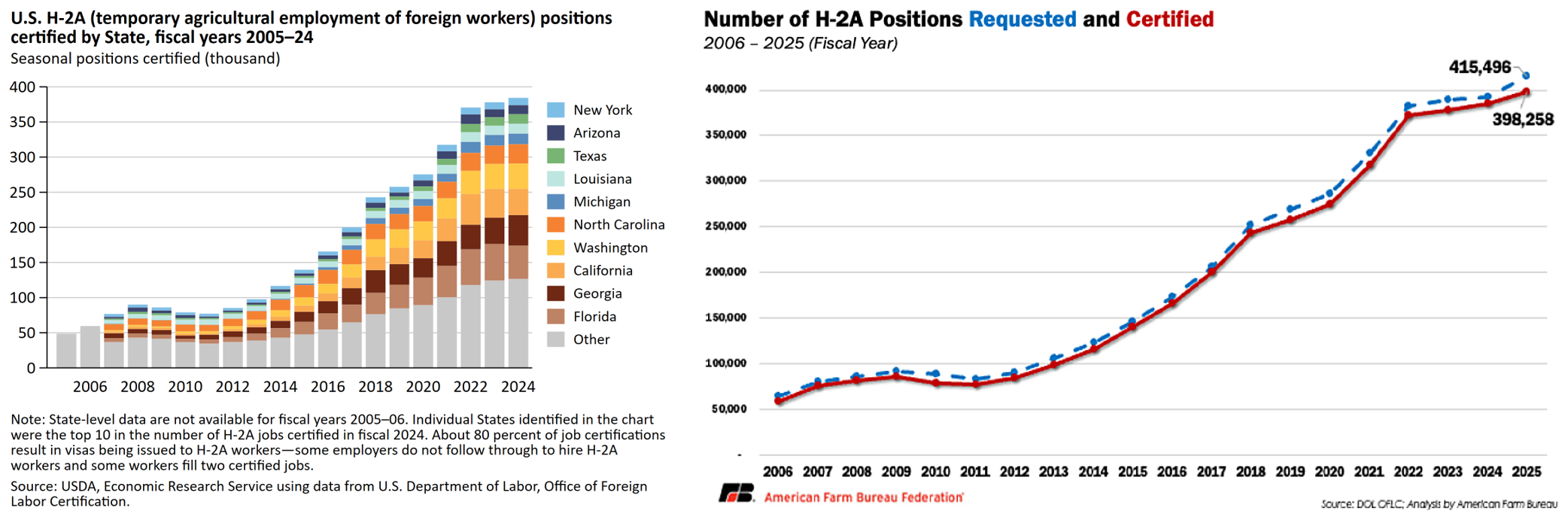
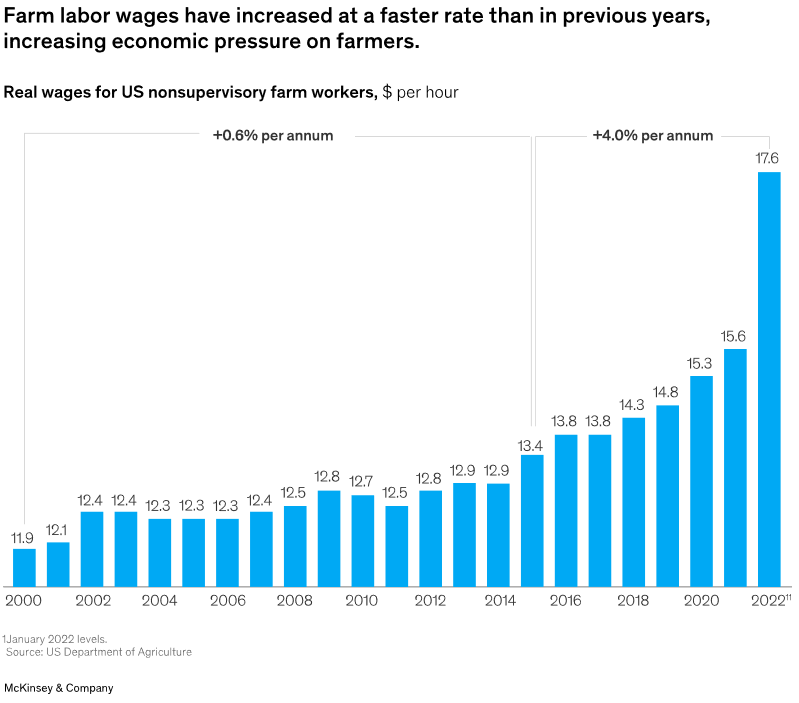 Wages paid to farm laborers have increased steadily in recent years in an attempt to attract workers, adding to costs and further dampening farmers’ bottom lines.
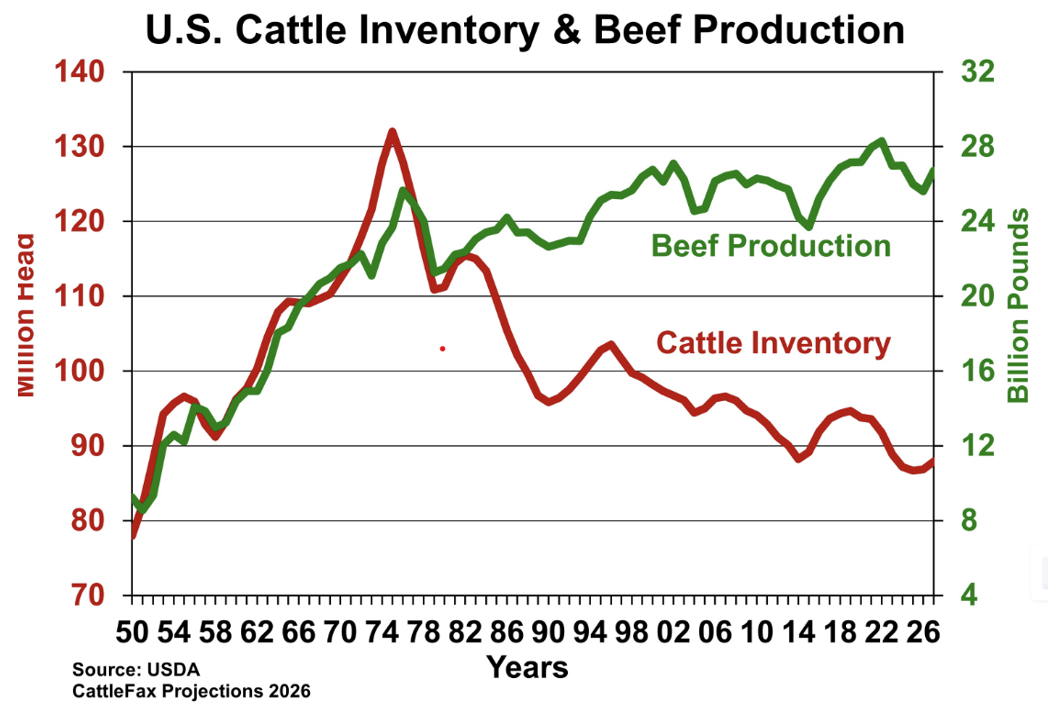
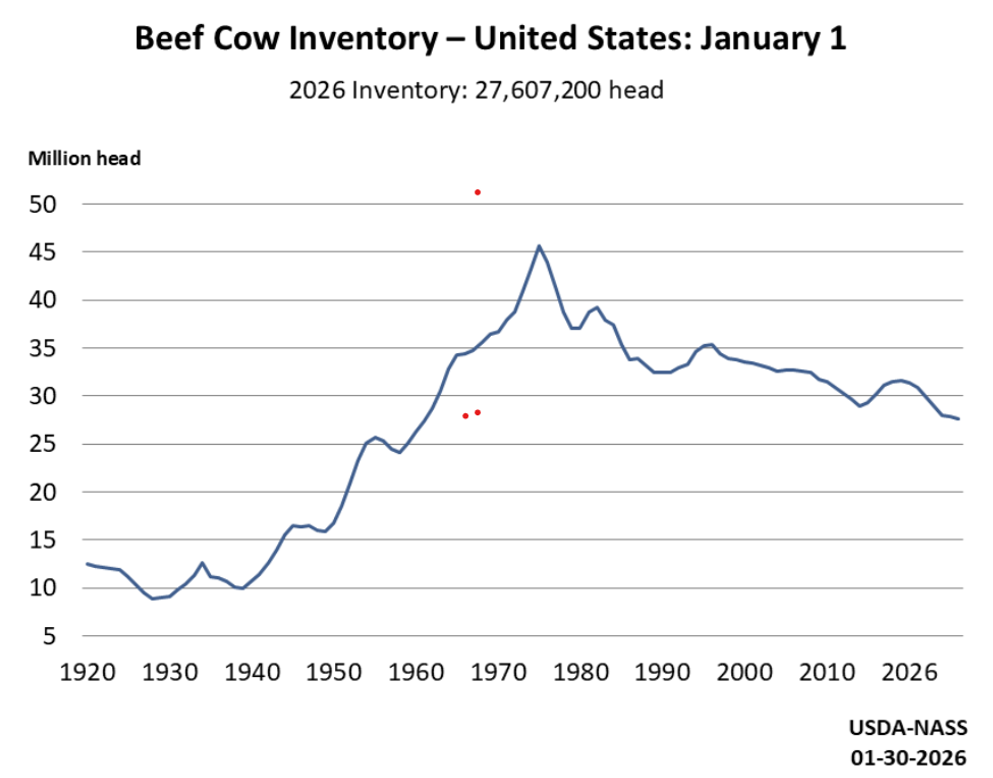 In 1960, the U.S. population was 179 million people, each eating about 63 pounds of beef per year. Today,