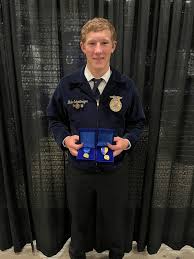
From livestock pens to the cutting room, from grain fields to shrink-wrapped steaks, Blake Schmitmeyer is helping build a more local, more transparent, and more resilient food system.
His dedication to humane handling, food safety, and full-circle agricultural practices exemplifies the kind of leadership the future of farming depends on.
With one foot in the barn and the other in the butcher shop, Blake represents the next generation of producers who understand that feeding communities requires skill, respect, and heart at every step.
Growing Up in the Heart of Ohio Agriculture
Blake Schmitmeyer’s agricultural story begins in Versailles, Ohio, a small town woven into the fabric of American livestock and row-crop farming.
His family raised pigs, steers, and managed a Holstein dairy herd—giving Blake a firsthand understanding of livestock care and agricultural business from the time he could walk.
 In 2021, his parents took a decisive leap: they purchased a local processing facility along with the surrounding farmland. That acquisition became the foundation for Blake’s future.
“Today I’m assisting in day-to-day operations where we custom butcher 25 steers and 25 hogs weekly,” he says. Sheep, goats, and bison round out the rotation.
What began as a family investment soon became Blake’s passion—and his entrepreneurial pathway.
Finding Purpose Through FFA
Blake joined FFA because agriculture was already part of his DNA. But he wanted to build his knowledge, sharpen his skills, and gain broader exposure to the industry.
During his junior and senior years, he launched his Supervised Agricultural Experience (SAE) through an early-release program at school, allowing him to work hands-on at The Butcher Block and Smokehouse.
Now, while working around 30 hours a week, he is simultaneously earning an online business degree—preparing for future leadership in the family enterprise.
Inside the Butcher Block: A Day in the Life
Blake’s responsibilities span every corner of the processing facility. His versatility is one of his greatest assets.
“I find myself filling gaps most days,” he says. “I can label, help customers, answer the phone, vacuum seal, make hamburger and sausage, fabricate cuts, and work on the harvesting side.”
That harvesting work includes:
- Moving animals safely into the facility
- Rendering them unconscious in an ethical, humane manner
- Removing innards
- Dehiding
- Ensuring carcass sanitation
He also performs maintenance and repairs on essential equipment—skills vital to keeping a high-throughput operation running smoothly.
A Growing Skillset
Every day at the processing plant deepens Blake’s expertise. What started as learning individual tasks has evolved into a broad, interconnected understanding of what it takes to move an animal from farm to finished product safely, ethically, and efficiently.
Quality Assurance & Product Consistency
Trimming, scraping, packaging, and labeling have sharpened Blake’s eye for precision—one of the most essential skills in meat processing. He now understands how even the smallest variation in knife angle, fat trimming, or packaging can affect yield, display quality, and customer satisfaction.
“It has taught me efficiency,” he says, “and also the various cuts attainable from carcasses.”
He’s learned to visualize the carcass from the inside out, recognizing how muscle groups, bone structure, and fat cover translate into marketable cuts. Consistency is key: each package must look clean, uniform, and appealing, reflecting both skill and pride in craftsmanship.
Humane Handling Under USDA Oversight
Working under USDA inspection has strengthened Blake’s understanding of professional responsibility. Humane handling protocols are non-negotiable—every movement, every decision made with the animal’s well-being in mind.
“It taught me how to be precise and handle animals in the most humane way,” he explains. USDA inspectors provide real-time guidance and expect strict adherence to federal humane slaughter regulations. Blake sees these interactions as opportunities to learn best practices, refine technique, and uphold the ethical standards that define reputable processing facilities.
Food Safety & Bacterial Control
Food safety is at the heart of agricultural processing, and Blake has developed a deep respect for the science behind it. He and his team conduct temperature checks, monitor critical control points, and follow sanitation procedures that protect consumers from pathogens like Salmonella, E. coli, and Listeria.
He now understands how cross-contamination occurs, how to prevent bacterial growth, and why documentation is essential for traceability. “We perform various temp and quality checks daily to ensure standards are met,” he says—standards that directly influence consumer trust and public health.
Processing Across Species
As Blake’s experience has grown, so has his ability to adapt to the anatomy and processing needs of different species. While cattle are the largest and most complex, the foundational skills transfer across animals.
“Once you understand the basics of cattle processing, it helps you understand bison structure,” he explains. Similarly, goats and sheep share comparable muscling and carcass breakdown patterns. Learning these similarities—and the nuanced differences—has made Blake a more versatile and efficient processor, capable of contributing anywhere he’s needed on the floor.
Full-Circle Agriculture: From Grain to Steak
Ask Blake what excites him most, and he lights up. For him, agricultural processing is not just a job—it’s the bridge between the farm he grew up on and the food that lands on his community’s dinner tables.
“I am passionate about locally sourced farm-to-fork beef,” he says. “Being able to grow our own corn and beans, feed them to our livestock, and then harvest those finished animals is really a full-circle moment.”
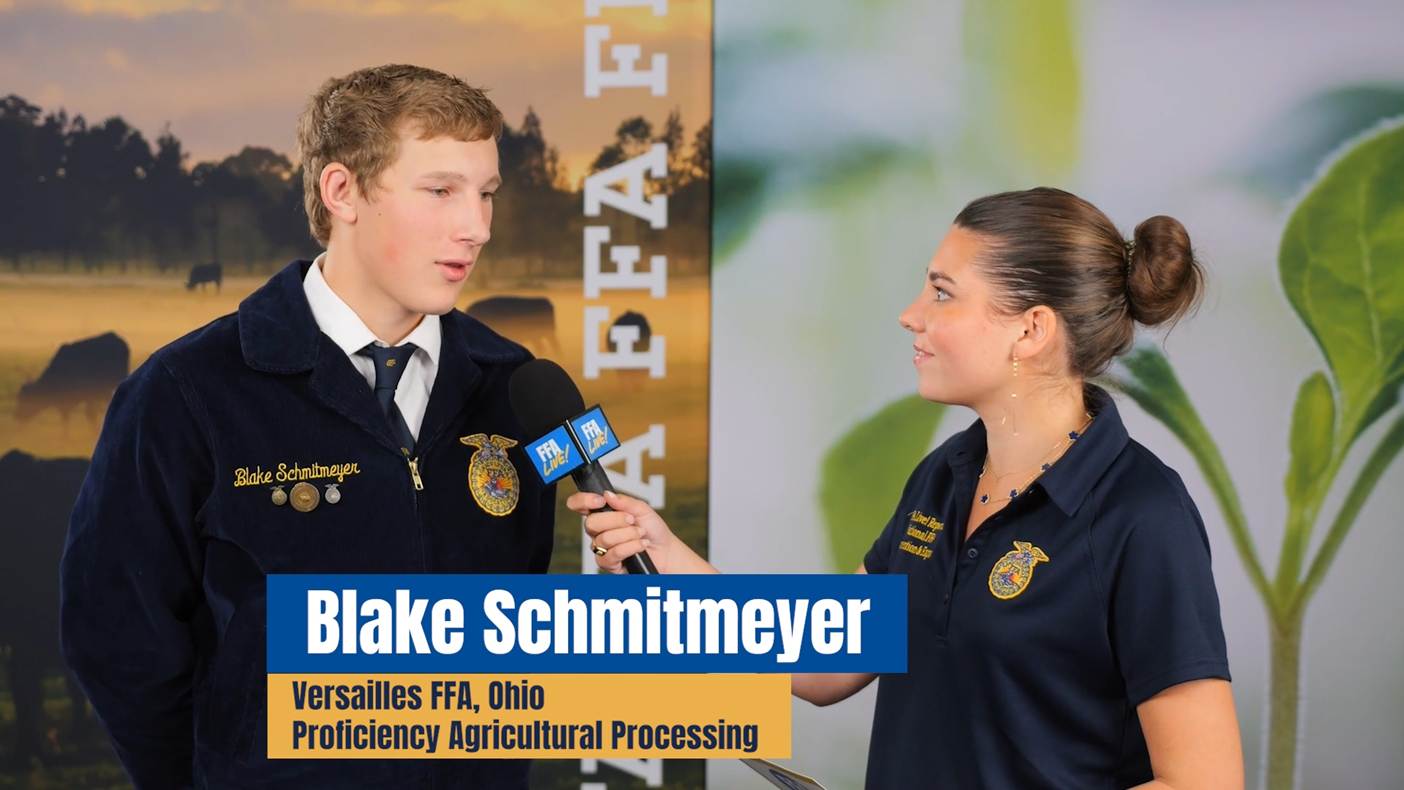
This closed-loop system—crop production, livestock feeding, final processing—allows his family to control quality at every stage. It also reflects a growing consumer demand: people want to know where their food comes from, how the animals were raised, and who stands behind the product. Blake’s vertically integrated model checks every box: local grain, local livestock, local processing, and local families benefiting from safe, transparent, premium-quality meat.
The Support Behind the Success
Blake credits both his parents and FFA advisors for shaping the agricultural leader he is becoming.
“My advisors have always supported my decisions,” he says. They encouraged him to step into leadership roles, pursue new challenges, and connect classroom learning to real-world application.
At home, his parents gave him opportunities that many students only dream of—access to farmland, livestock, and a processing facility—while still allowing him to decide independently what direction he wanted to take.
That balance of autonomy and mentorship fostered confidence, resilience, and a clear sense of responsibility. It has empowered Blake to carve out a strong pathway forward in an industry that rewards commitment and adaptability.
A Future in Farming and Processing
Blake is currently pursuing a Bachelor’s degree in Business from Wright State University Lake Campus—a strategic move that will position him to handle the financial, managerial, and operational decisions required to keep the family enterprise thriving.
His vision for the future is focused and intentional: “I hope to continue row crop farming and raising livestock along with processing at The Butcher Block.”
He hopes to integrate the farm and processing facility even more seamlessly, explore niche markets, and expand value-added offerings that meet customer demand. Whether it’s direct-to-consumer beef boxes, specialty cuts, or custom processing services, Blake sees endless opportunities to strengthen the connection between farmers and families.
His long-term goal is not only to sustain the family’s legacy, but to elevate it—creating a resilient, modern, community-centered agricultural operation built on quality, transparency, and pride.
Advice for Students Considering a Processing SAE
Blake’s encouragement is straightforward: “I would highly recommend it to anyone. It has taught me numerous things—not only relevant to processing but also to life and success.”
Agricultural processing may happen behind the scenes, but it is one of the most essential links in the food chain. Students who pursue it gain skills that translate across the industry—and across life.



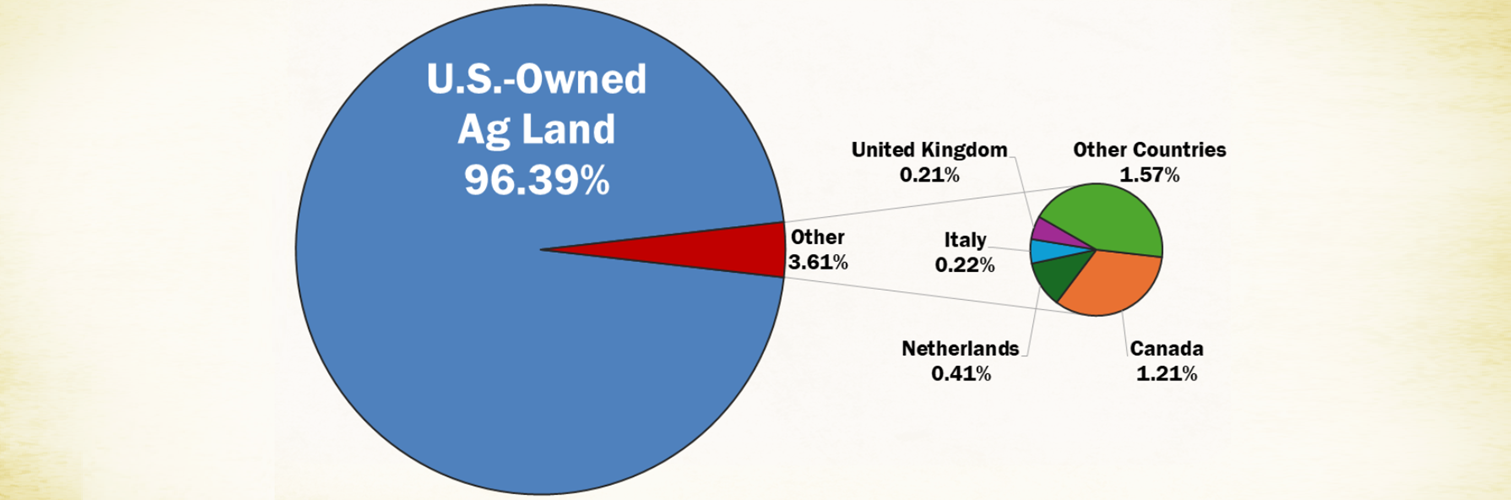
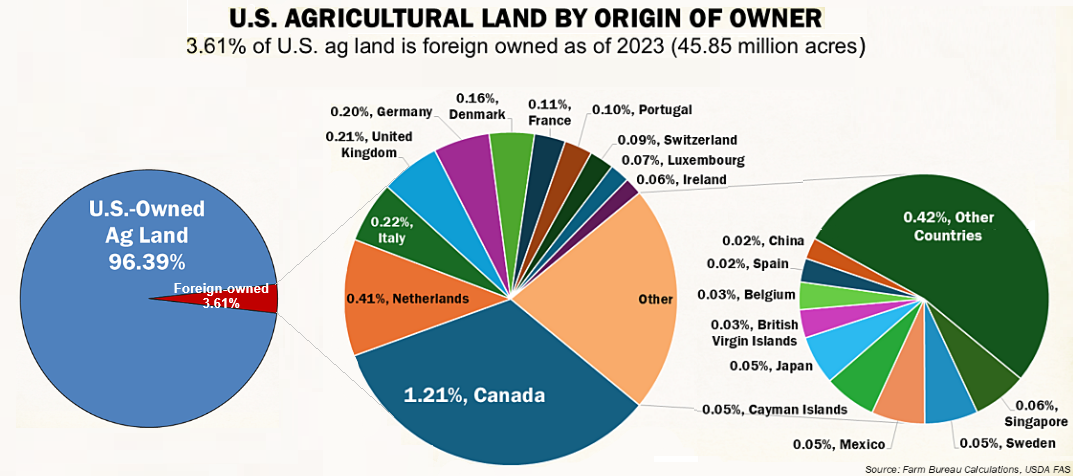
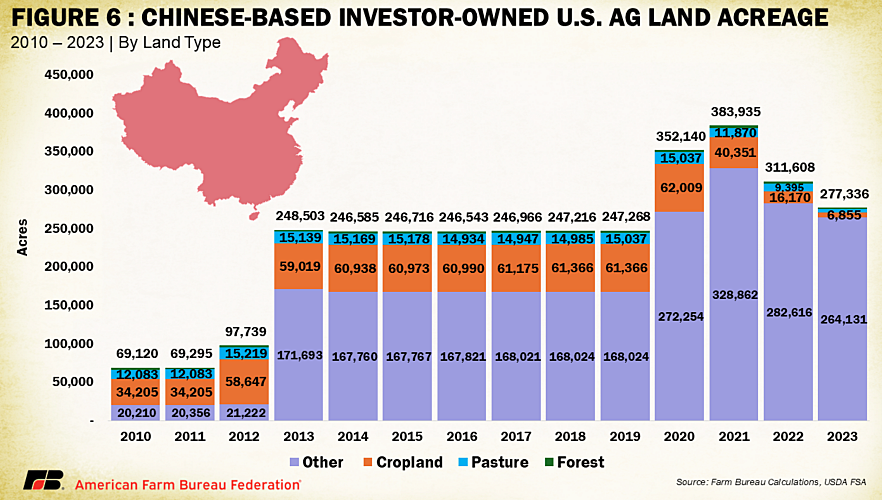
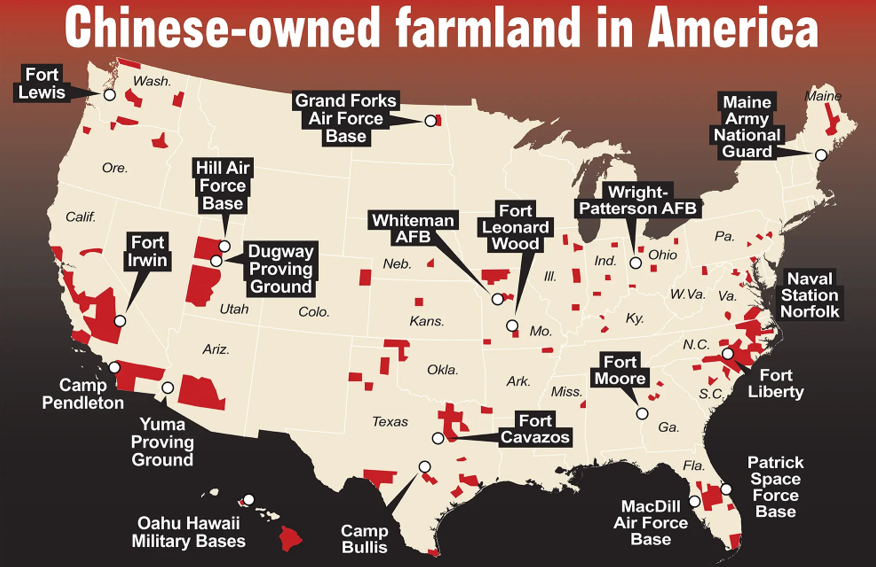
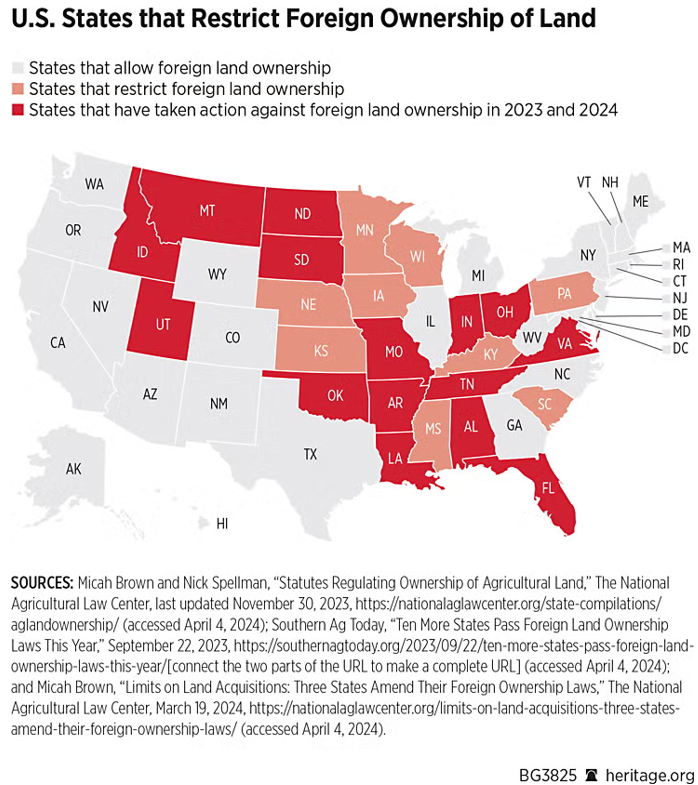 Although no federal law prohibits foreign ownership of private U.S. farmland, legislators at both the federal and state levels have proposed laws to monitor, restrict or prohibit such purchases if deemed to be counter to the best interest of their constituents.