Click Play to listen to our podcast. Click on link for our full podcast library.
*
Mediterranean. DASH. MIND. Nordic. Plant-based. The list goes on.
I spend a lot of time reading nutrition research on all these healthy diets. But underneath each of those diets, the same foods appear again and again: vegetables, fruits, whole grains, legumes, nuts, healthy fats, and high-quality sources of protein. So does it really matter which healthy diet we choose?
So does it really matter which healthy diet we choose? A new Nature Communications study approached that question in an unusual way. Instead of looking only at weight, blood pressure, cholesterol, or disease risk, researchers looked at something happening much deeper in the body: epigenetic changes associated with biological aging.
And they found that people who followed healthier dietary patterns generally showed more favorable markers of biological aging even though the diets themselves, and their molecular fingerprints, were not identical. That does not mean food can reverse your age or rewrite your genes. But it does add a fascinating new layer to what we already know about healthy eating…and that our genetics do not necessarily define our health.
What did the researchers actually find?
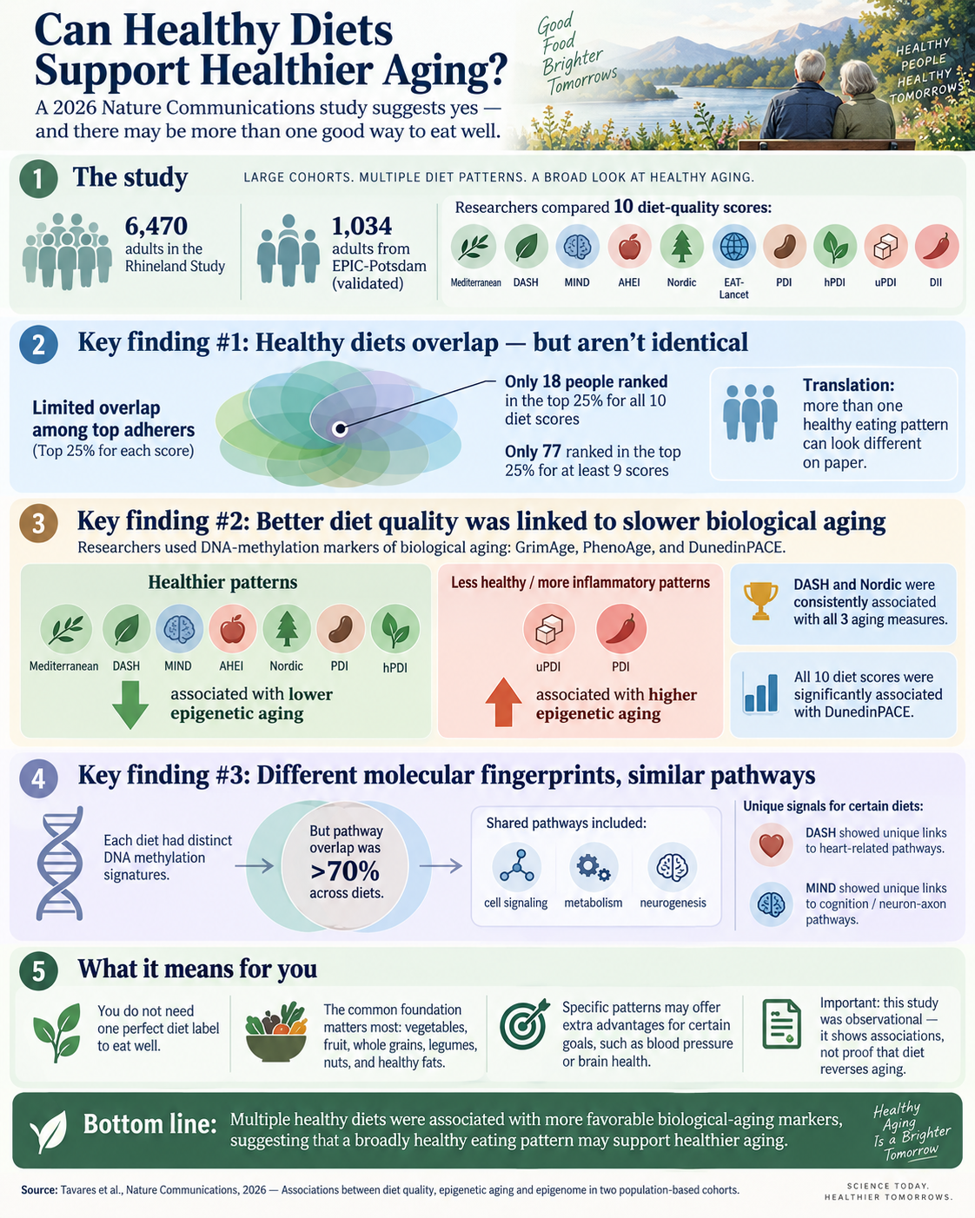
Researchers analyzed 6,470 adults in Germany’s Rhineland Study and then tested many of their findings in another group of 1,034 people from EPIC-Potsdam.
Rather than choosing one definition of a “good diet,” they scored participants according to 10 different dietary patterns, including Mediterranean, DASH, MIND, Nordic, EAT-Lancet, the Alternate Healthy Eating Index, several plant-based diet scores, and the Dietary Inflammatory Index.
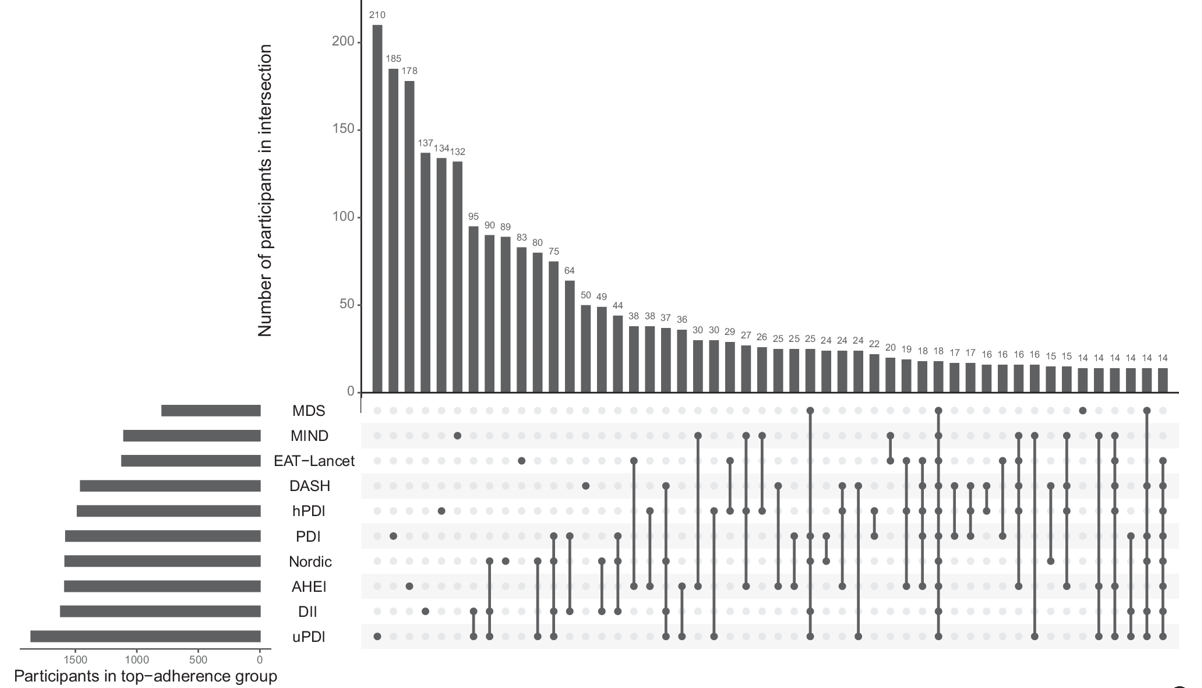
That matters because these diets overlap, but they are not identical.
In fact, only 18 of the 6,470 participants ranked in the healthiest quarter for all 10 diet scores. So someone could eat extremely well according to one dietary framework without looking quite as impressive according to another.
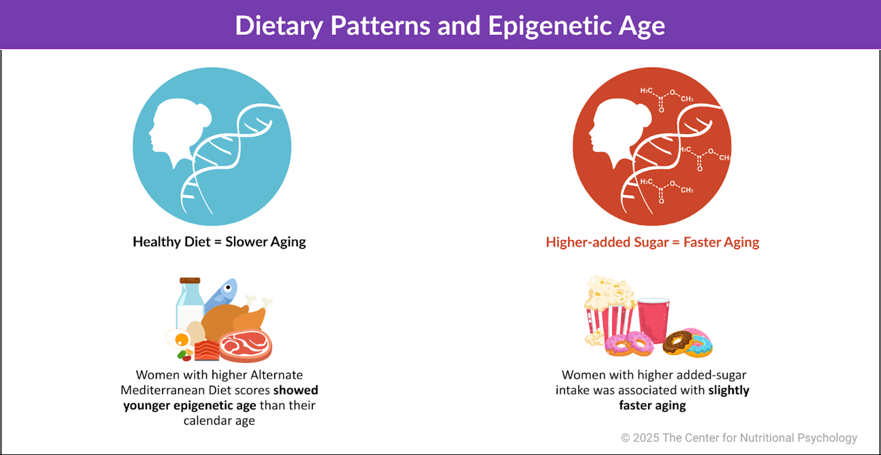
Across these different definitions of healthy eating, researchers found an important common thread: healthier dietary patterns were generally associated with more favorable measures of epigenetic aging.
DASH and Nordic diet scores, in particular, were consistently associated with all three of the aging measures researchers examined. That is where this study becomes much more interesting than another debate over Mediterranean versus DASH.
What does epigenetics have to do with aging?
First, what are epigenetics? Your DNA contains the genetic instructions you were born with. For the most part, eating broccoli or salmon does not change that underlying genetic code. But our bodies also have systems that help regulate how those genetic instructions are used or turned on and off, which is epigenetics.
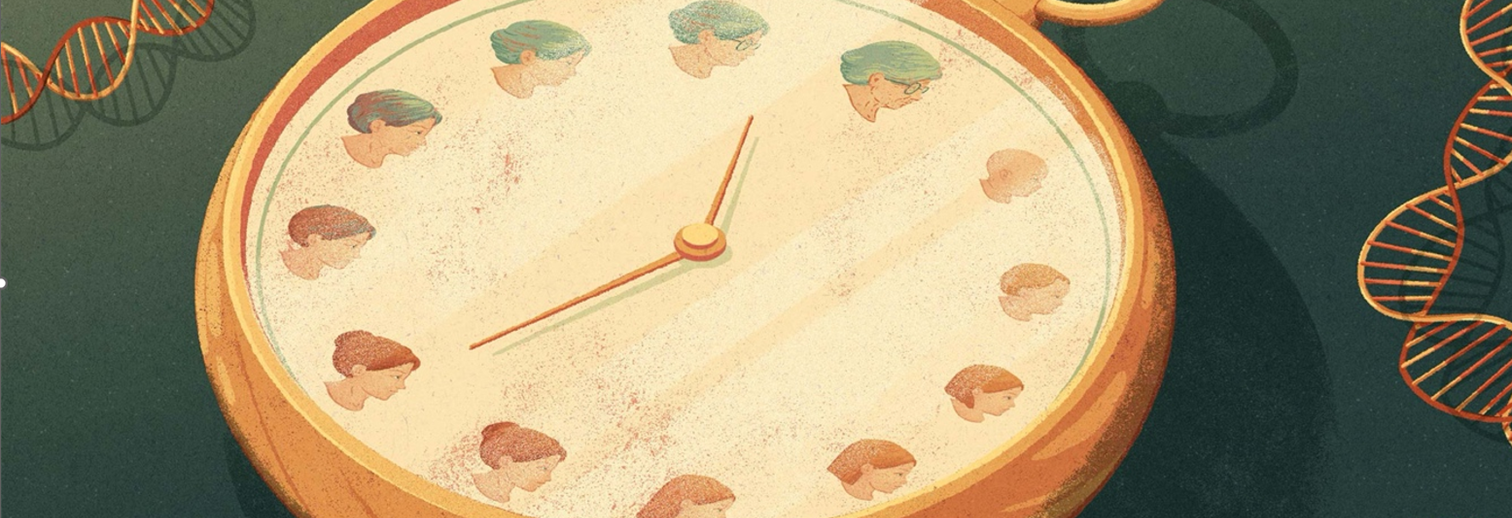
One of those systems is called DNA methylation. Tiny chemical groups attach to particular locations along DNA and can influence gene activity without changing the DNA sequence itself. These methylation patterns can differ with age, health, environmental exposures, and behaviors. And because certain methylation changes occur somewhat predictably as we age, researchers have developed tools known as epigenetic clocks to study biological aging.
Think about two 60-year-olds. Chronologically, they are exactly the same age. But one may have healthier cardiovascular, metabolic, immune, and physical function than the other. That difference is what researchers are trying to capture when they talk about biological aging.
Why should I care?
Because most nutrition advice is ultimately about protecting your future health. We eat vegetables because of cardiovascular health. We choose whole grains because of metabolic health. We care about protein because of muscle. We watch blood pressure, cholesterol, glucose, inflammation, and body composition because all of those things contribute to how well we function as we get older.
Epigenetic-aging research is attempting to look at some of those effects from another angle: Can we detect differences associated with aging at the molecular level before they become a diagnosis? We are not yet at the point where your doctor can run an epigenetic clock and prescribe a particular dinner.
But the fact that diet quality is associated with these biological-aging markers strengthens a broader idea that decades of nutrition research already support: The way we eat over time may influence not only our risk of individual diseases, but the overall trajectory of healthy aging.
And this study is not standing alone.
We already have substantial evidence connecting multiple healthy dietary patterns with better long-term health.
A 2020 JAMA Internal Medicine study followed more than 200,000 men and women for as long as 32 years and compared four different healthy-eating scores. Greater adherence to each pattern was associated with lower cardiovascular-disease risk.
Then a 2025 Nature Medicine study followed more than 105,000 adults for up to 30 years and looked at a broader outcome: healthy aging. To qualify, participants had to reach older age while maintaining cognitive, physical, and mental health and remaining free of major chronic disease. Higher adherence to all eight healthy dietary patterns studied was associated with greater odds of healthy aging.
Across the patterns, many of the same foods kept appearing: fruits, vegetables, whole grains, nuts, legumes, unsaturated fats, and healthy sources of protein. The new Nature Communications study extends that story beneath the surface by showing associations between healthy eating and molecular markers related to aging.
A diet’s effect on molecular fingerprints
One of the more surprising findings was that the diets did not all correspond to exactly the same DNA-methylation changes. Each dietary pattern had somewhat different molecular associations.
For instance…
- The DASH diet was specifically designed to address high blood pressure, and randomized trials show it can significantly reduce both systolic and diastolic blood pressure.
- The MIND diet combines elements of Mediterranean and DASH eating but places particular emphasis on foods such as leafy greens and berries because of their potential relationship with cognitive health. Observational research has generally been promising, although randomized-trial results have been more mixed.
- The Nordic Diet emphasizes foods common in northern European food cultures, including berries, rye, oats, root vegetables, fish, nuts, and rapeseed oil, and research has linked greater adherence with improvements in several cardiometabolic outcomes.
But when researchers looked at the biological functions connected with those methylation sites, many of the signals converged around broader processes involving metabolism, cellular signaling, cell structure, and other fundamental cellular functions. That suggests healthy diets do not necessarily have to produce identical molecular changes in order to be associated with some of the same broader biological processes.
In practical terms, your body may not require you to adhere perfectly to one named dietary philosophy to benefit from eating well. That does not mean the differences between diets are meaningless. Different dietary patterns were created with different priorities.
 So the details can matter when you have a particular goal:
- If lowering blood pressure is your priority, DASH provides useful additional structure.
- If cognitive aging is your concern, MIND gives more emphasis to foods being investigated for brain health.
- If Mediterranean or Nordic foods better fit your culture and preferences, those patterns offer their own ways to build a high-quality diet.
The key is that specialization comes after the fundamentals.
So what should we actually eat?
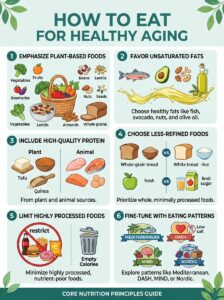
The useful message from all of this research is surprisingly straightforward. You probably do not need to decide whether you are officially “Mediterranean,” “DASH,” “MIND,” or “Nordic.”
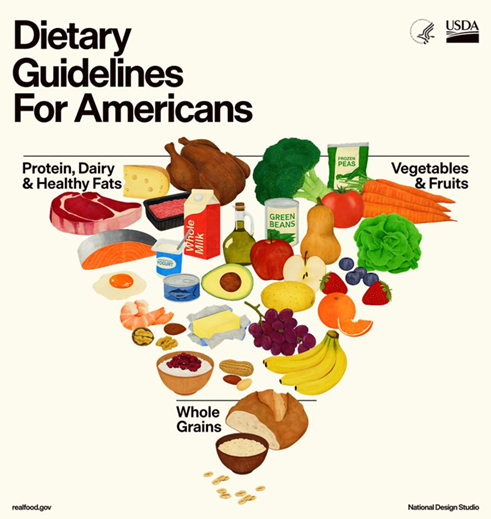
Instead, focus on consuming produce, legumes, nuts, seeds, and whole grains, as well as choosing unsaturated fats and proteins derived from high-quality, whole foods. And choose less-refined foods over highly processed, nutrient-poor products.
And perhaps most importantly, choose a way of eating that you can actually maintain. The health effects researchers are studying develop over years and decades, not over one perfect meal.
What this study does not tell us
Epigenetic aging is an exciting field, but it is easy to oversell. An epigenetic clock is not a lifespan calculator. This study also cannot prove that changing your diet will slow your biological clock. It was observational, meaning researchers identified relationships between diet quality, DNA methylation, and aging markers rather than proving that diet caused those differences.
A review of 21 nutrition-intervention trials has found some encouraging evidence that dietary changes may influence epigenetic-aging measures, but the results are not yet consistent enough to say that a particular diet can reliably slow or reverse biological aging. So don’t come away thinking: Eat Mediterranean and become biologically younger.
The evidence strongly supports something more measured and arguably more useful: People who consistently eat higher-quality diets tend to have better long-term health, greater odds of healthy aging, and, according to this emerging research, more favorable molecular markers associated with biological aging.



 The researchers found significant improvements in intelligence, attention, concentration, and memory, although they did not find sufficient evidence of improved school achievement. Effects varied among studies and should not be interpreted to mean that iron supplements enhance cognition in every child.
 A struggling student does not announce, “My iron stores are low,” or “My diet lacks sufficient variety.” Instead, the difficulty may sound like: “I’m tired.” “I can’t think.” “I forgot.” “This is too hard.” “I don’t care.”
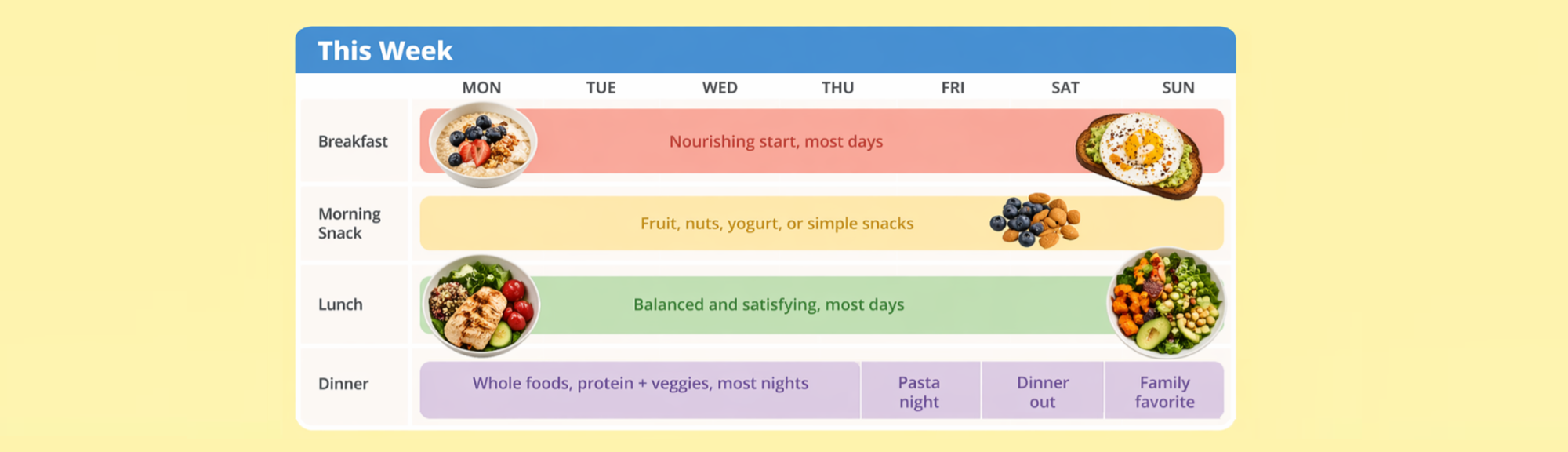
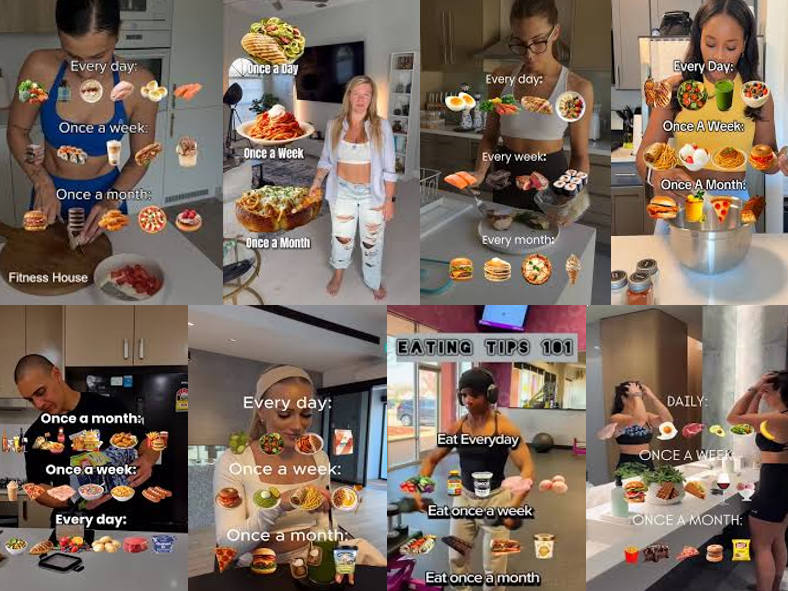
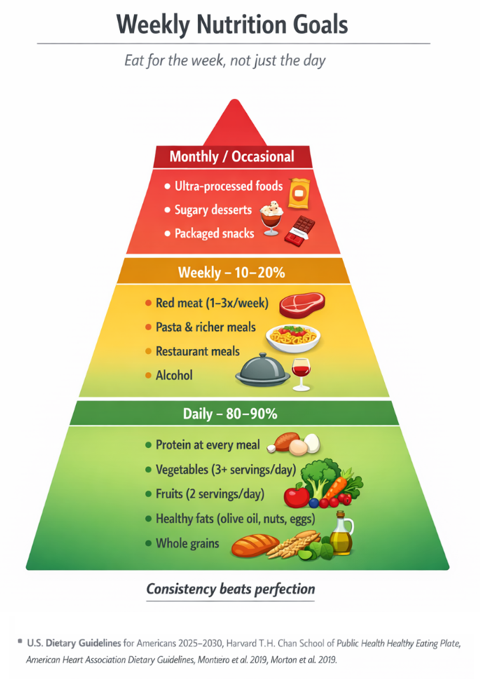 The same applies to richer, more calorie-dense meals. Pasta, creamy dishes, cheese-heavy meals, and restaurant dining are not “off-plan” they’re part of how people actually live. But when they become routine, they start to crowd out simpler, more nutrient-dense meals built around protein and vegetables. A bowl of pasta on a Friday night, pizza with friends, or dinner out can absolutely fit into a healthy pattern. What matters is that these meals are part of the week, not the structure of every day.

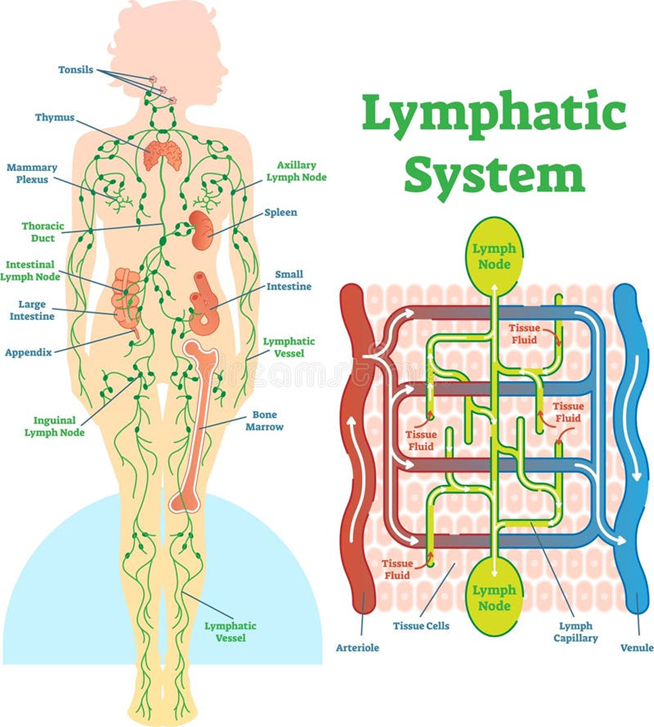 Fluid naturally moves out of tiny blood vessels and into surrounding tissues to transport oxygen, nutrients, and signaling molecules to reach cells. Scientists call this process filtration, and it happens constantly as part of healthy circulation.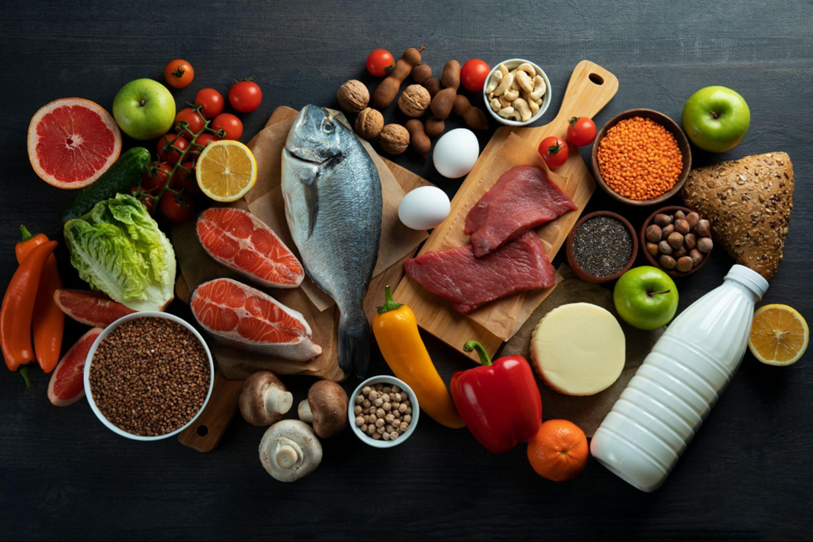
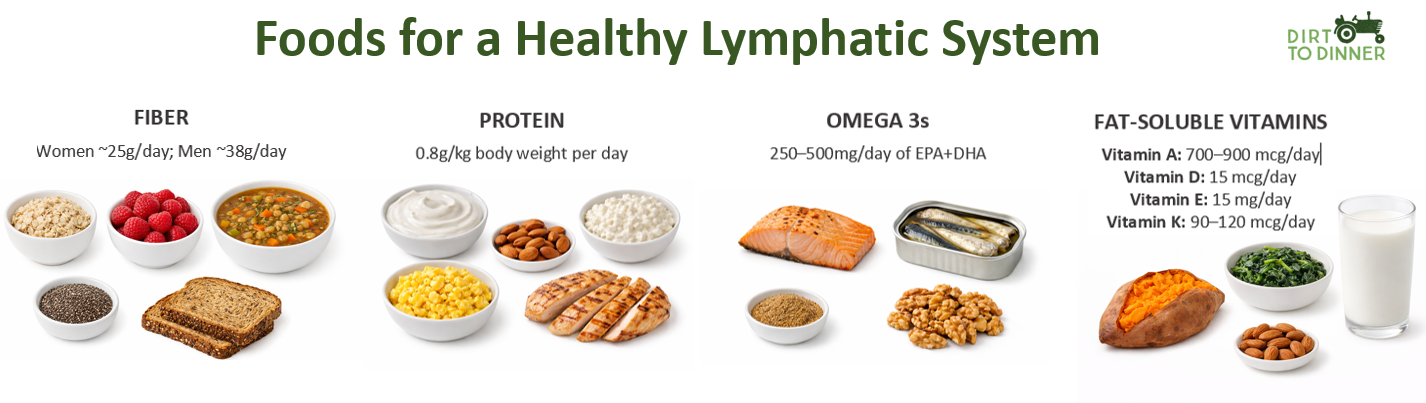
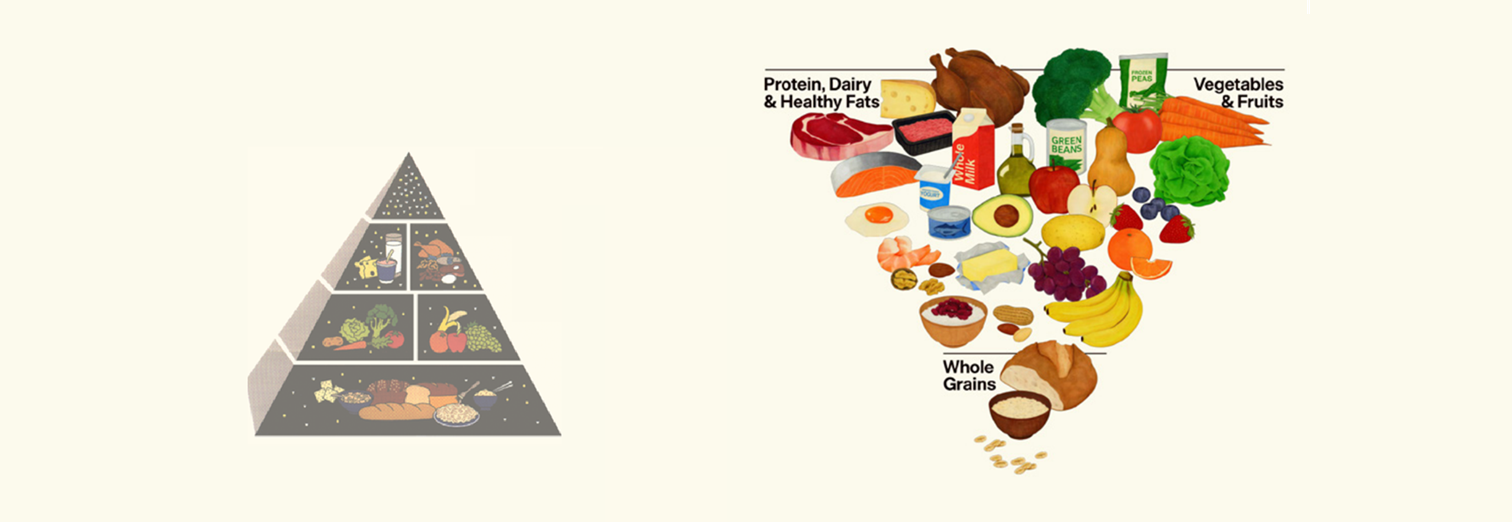

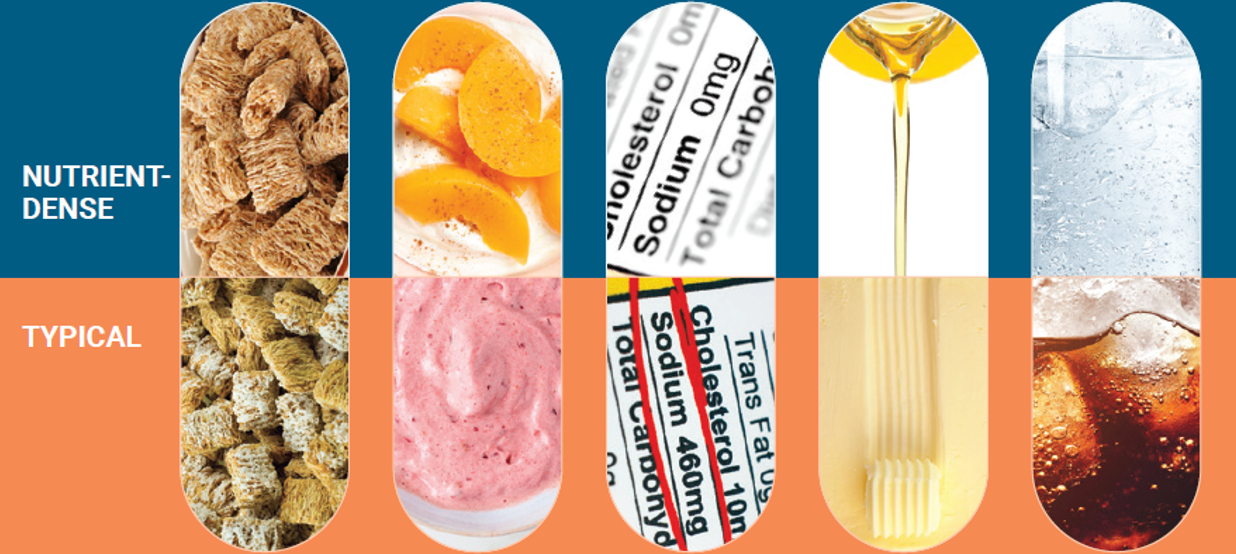



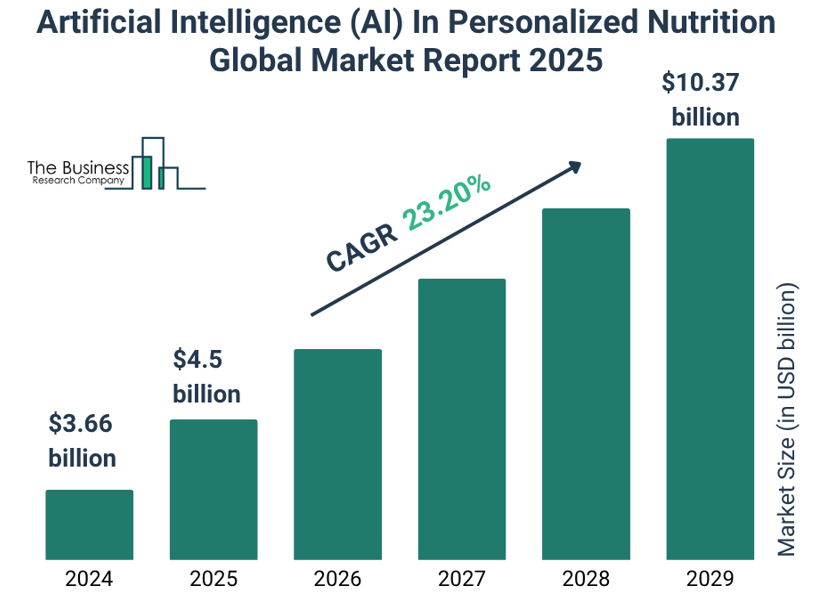 While still true, these guidelines often fail to capture the complexity of human biology—and the individuality of how we metabolize food.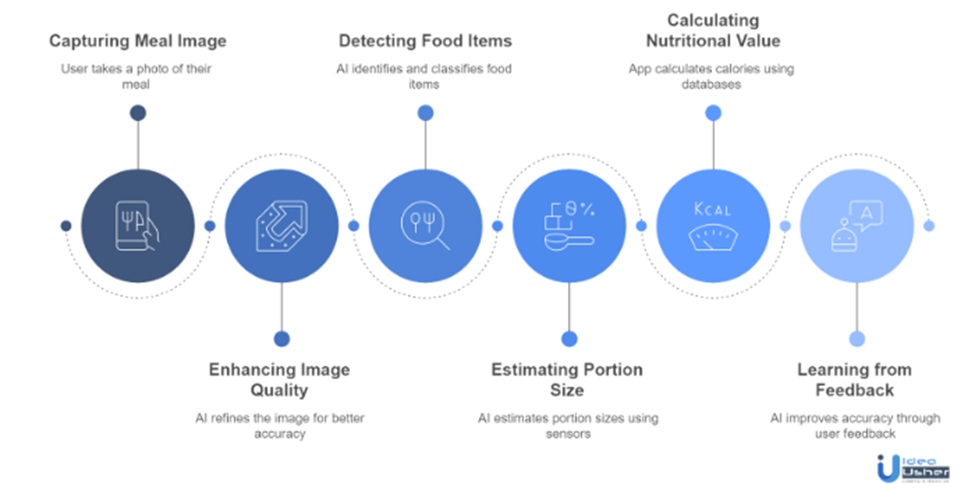
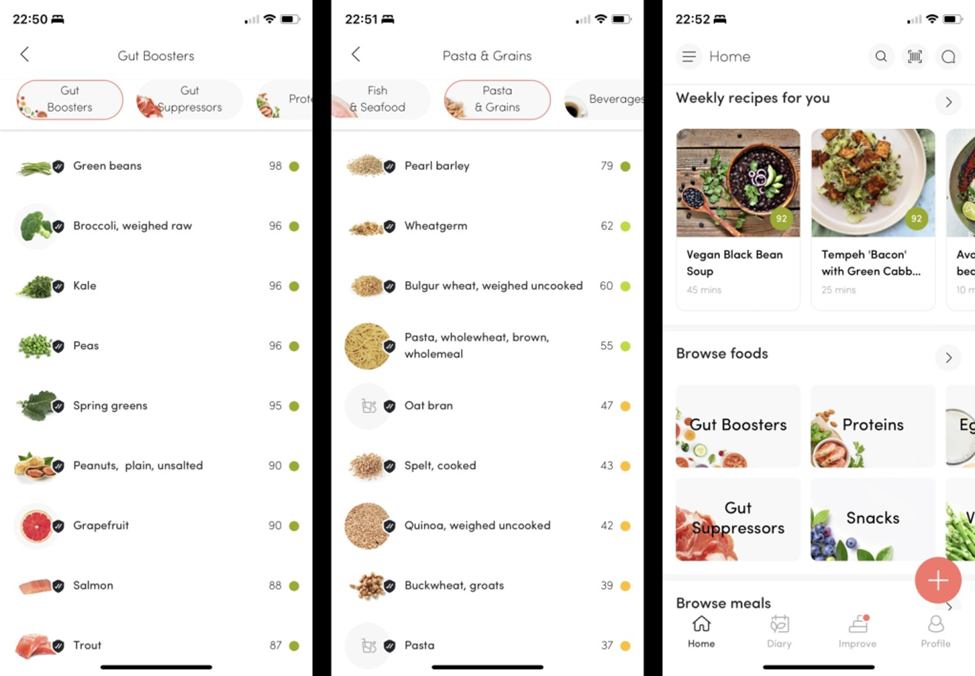 Emerging platforms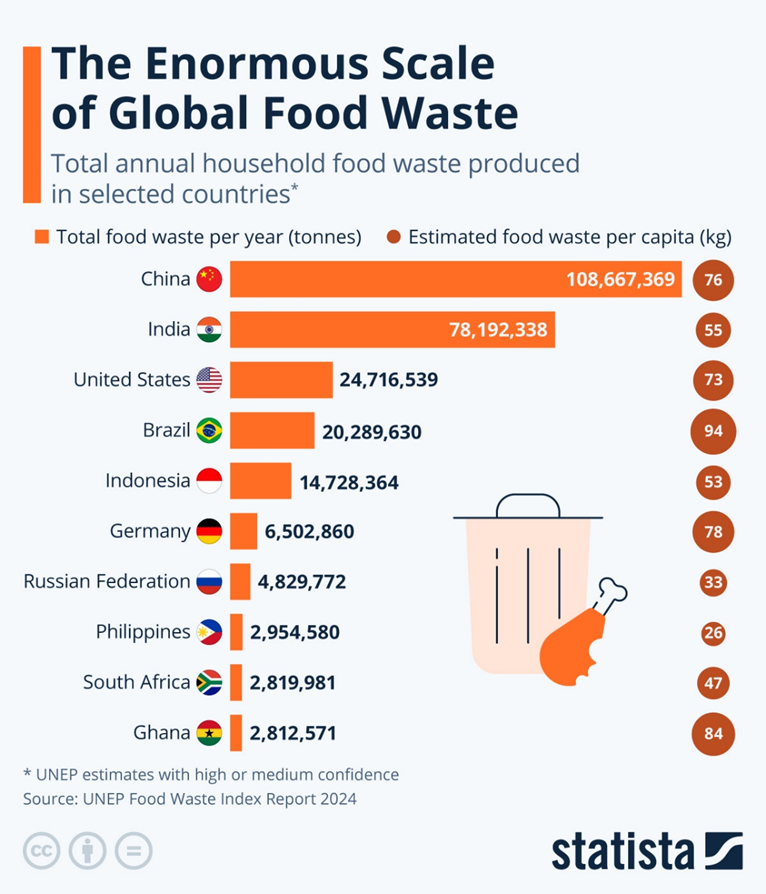
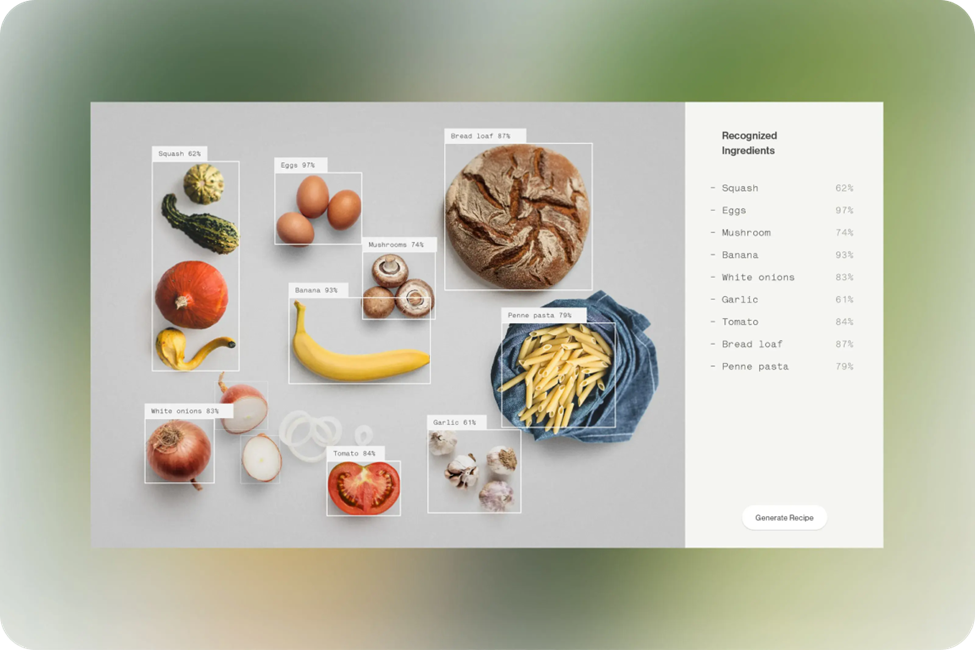 Samsung Food’s Vision AI easily scanned items in my fridge, sometimes correctly identifying even partially used produce, and generated recipes that incorporated what I already had on hand. It wasn’t perfect (a few mystery leftovers stumped it), but the suggestions often saved me from another night of takeout.

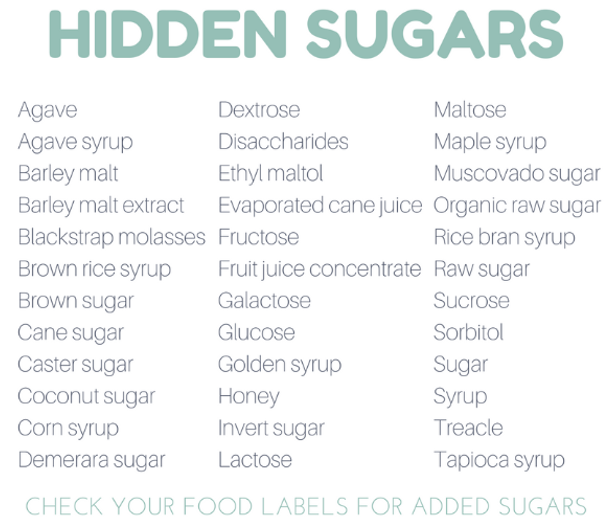



 But many of us may be accidentally sending our hormones the wrong instructions. According to the
 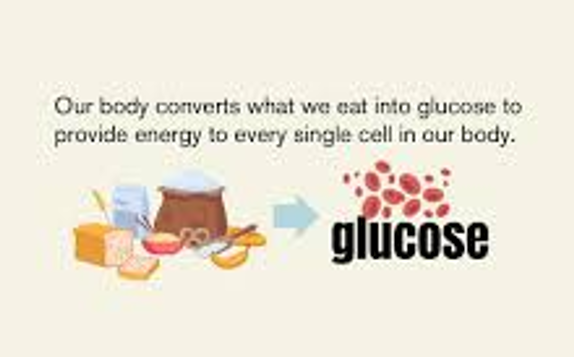 Produced by the pancreas, it responds to carbohydrates by clearing sugar from the blood and directing it to be stored or used for energy.
 If you’re worried you might be negatively impacting your hormonal health via your diet, consider the below, and if you check two or more or these, your body might be sending you warning signals that your diet isn’t giving it clear instructions:

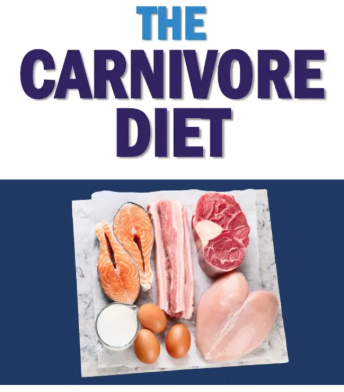 Advocates claim it reduces inflammation, improves mental clarity, and helps manage glucose levels, and promotes weight loss. However, the reported benefits of this diet are more anecdotal than clinical. In fact, multiple studies cite the dangers of this diet, including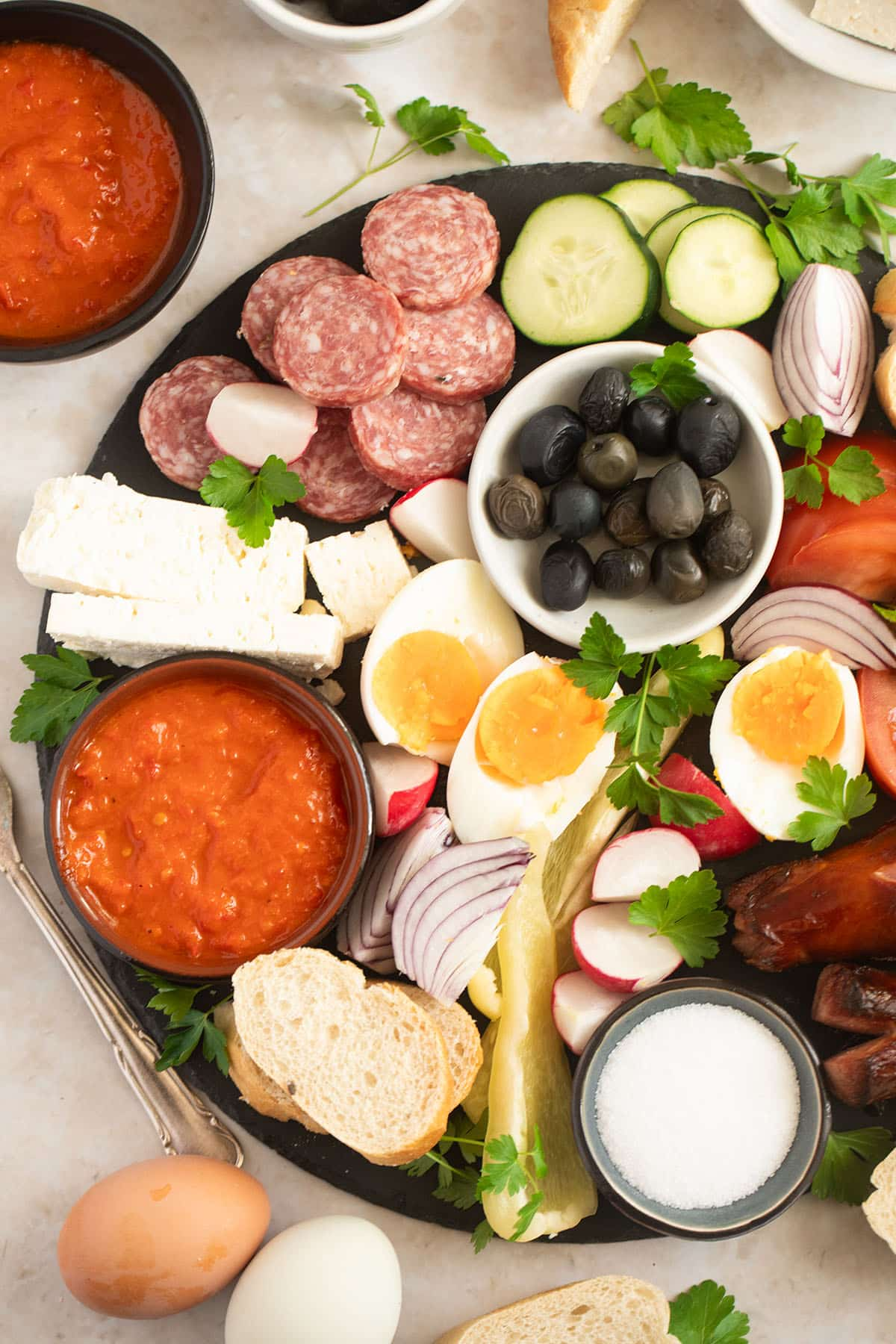
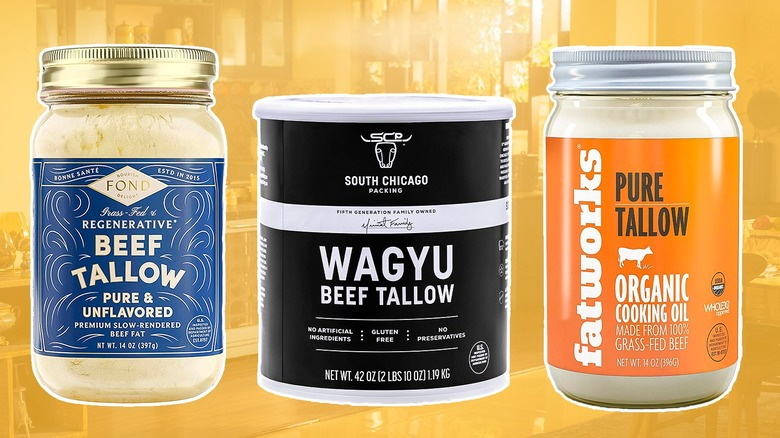
 For instance, high consumption of saturated fats like beef tallow – which
 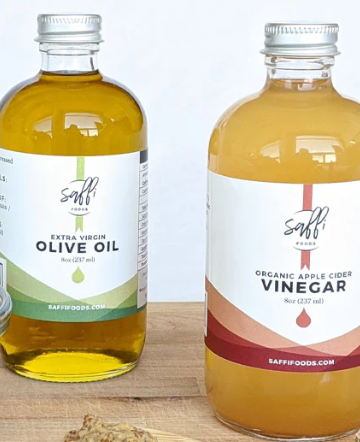 Yes, ACV can slightly
 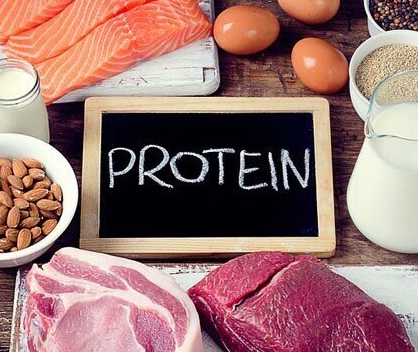 Experts generally agree that most people, especially women and older adults,

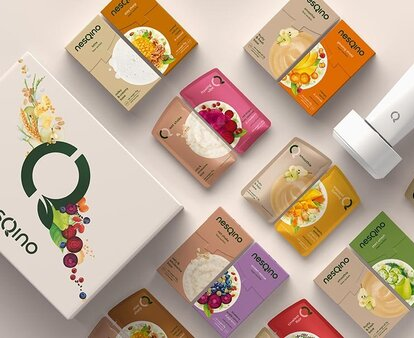 General Mills has teamed up with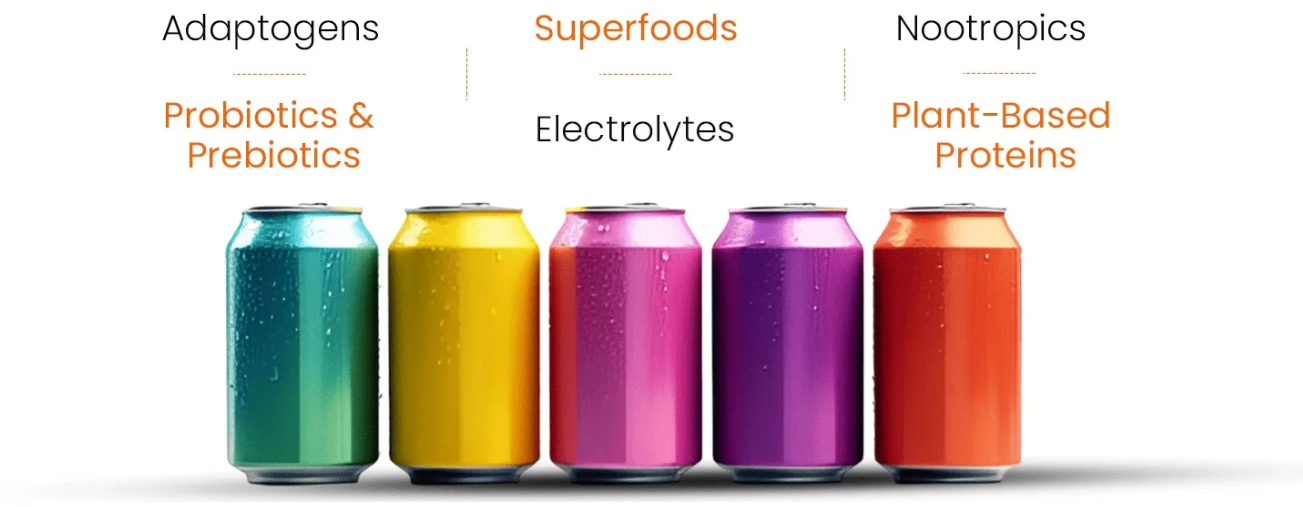

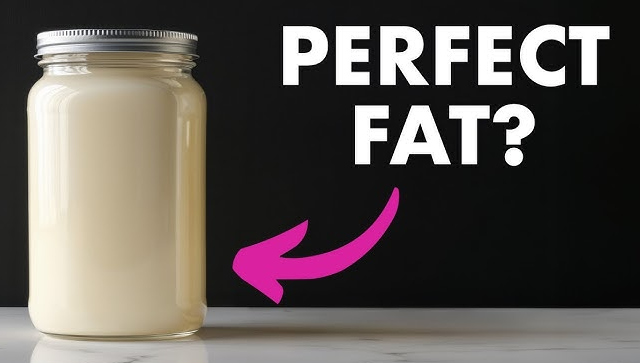 This isn’t just about cooking with oil. It’s part of a broader philosophical divide. As institutional trust declines, many are turning to tradition and nature for guidance—assuming, sometimes wrongly, that these values offer more than modern science.
 RFK is right: so many Americans are unhealthy.
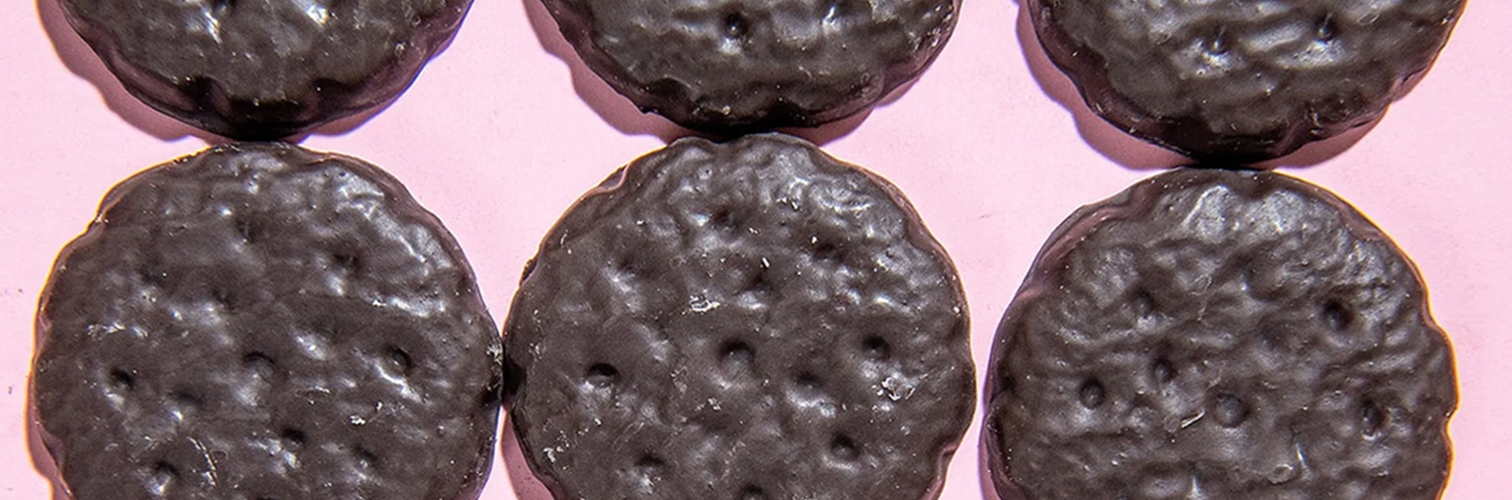
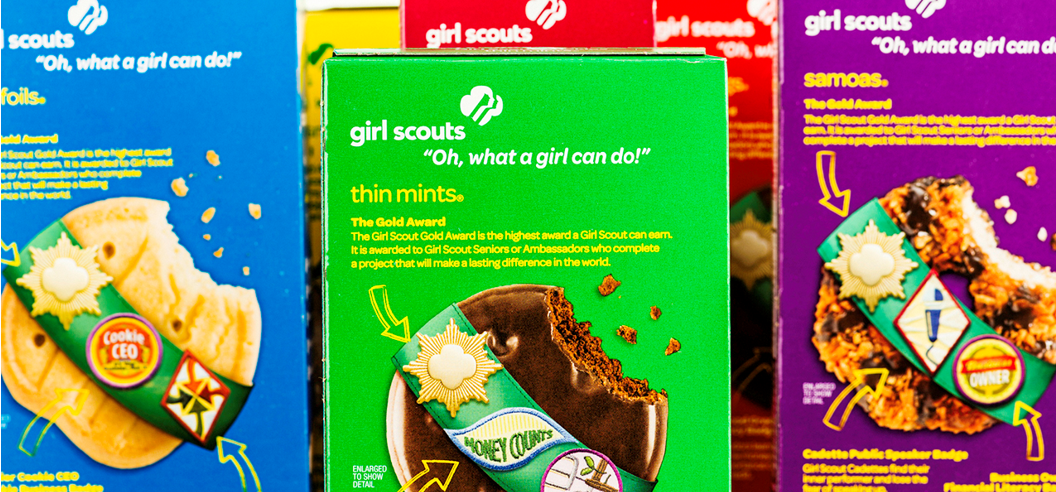
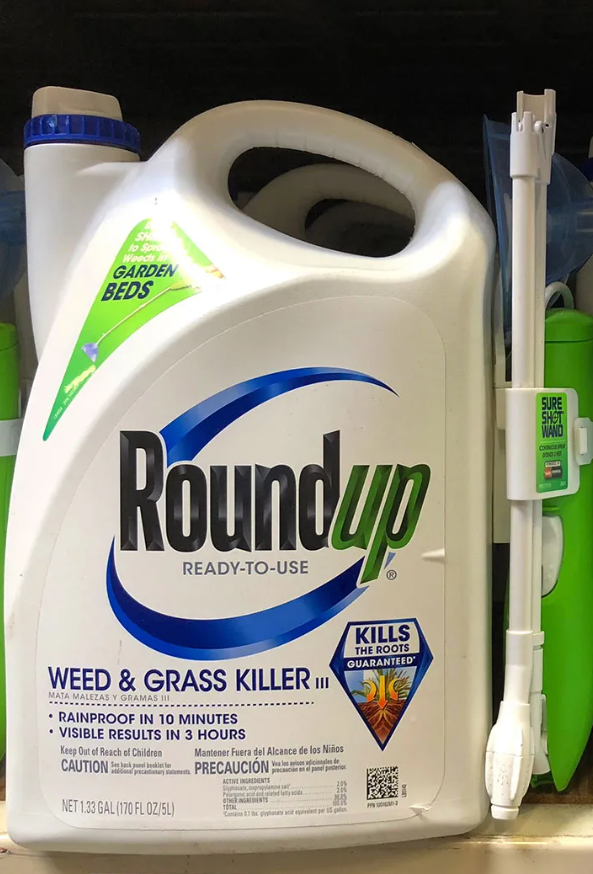 The Thin Mint headlines may be new, but glyphosate conversations are years old.
 Both the
  It’s also important to rinse all
 Brands like



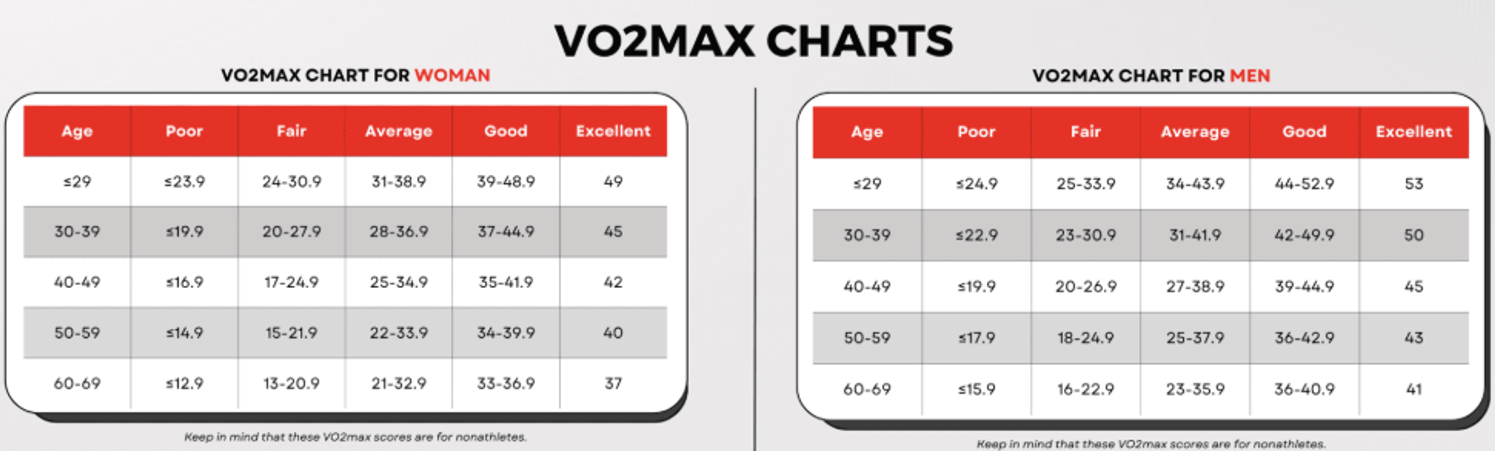
 Peter Attia, MD, who wrote Outlive: The Science and Art of Longevity, points to VO2 max as the best predictor of longevity.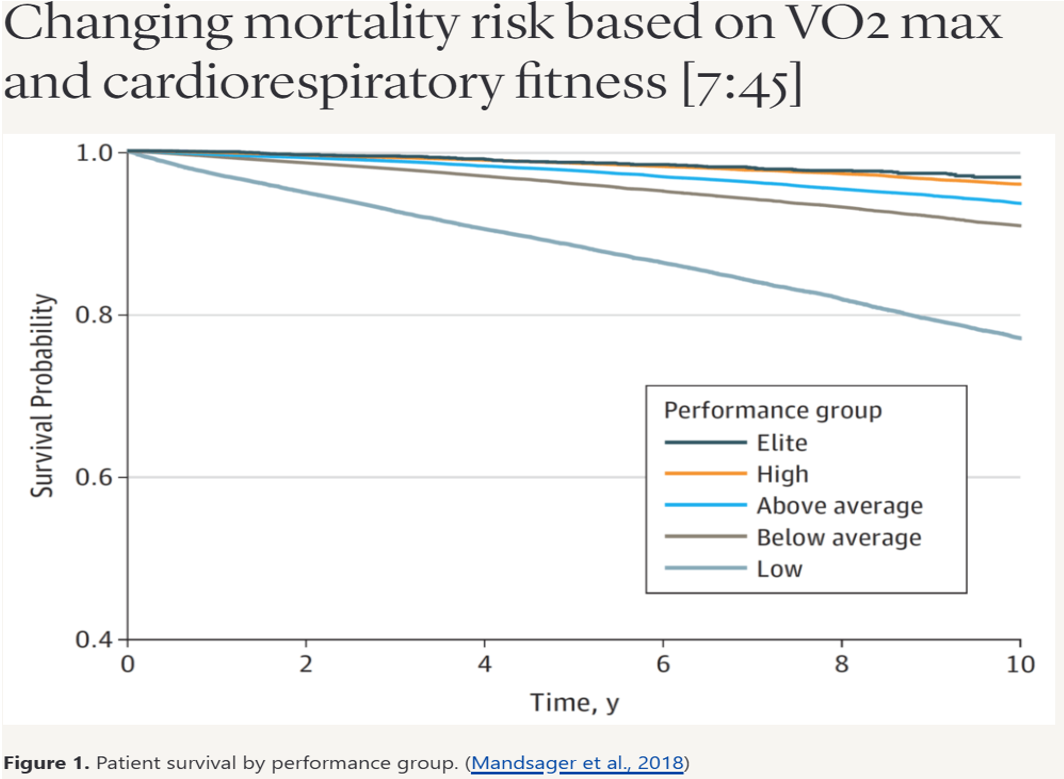
 Hanging from a bar measures your grip strength, which measures your overall muscle ratio – a good indicator of overall fitness.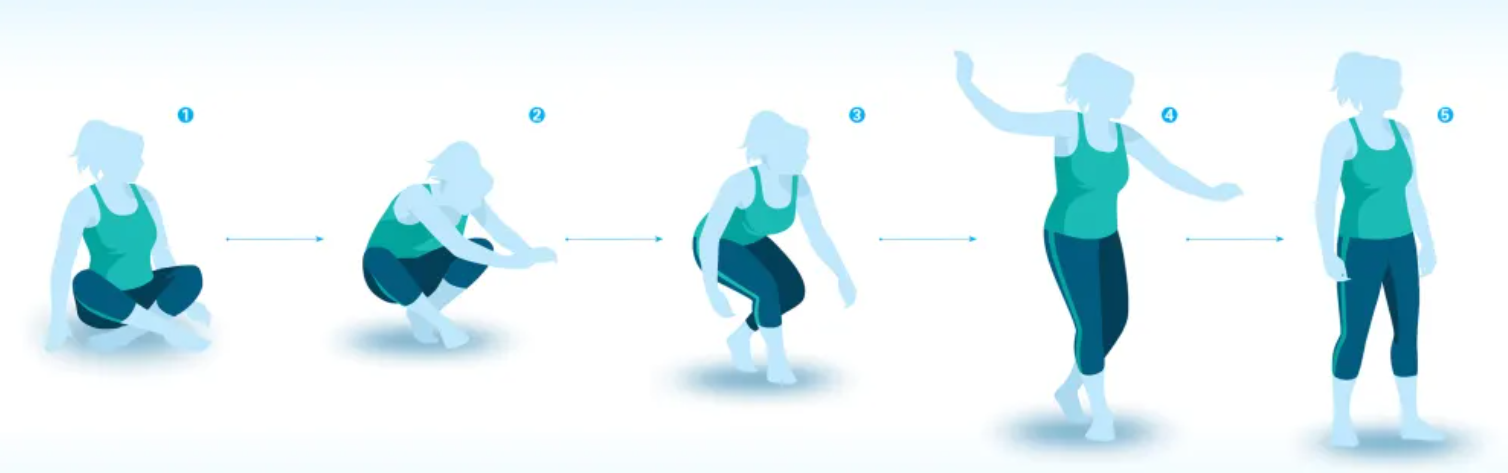

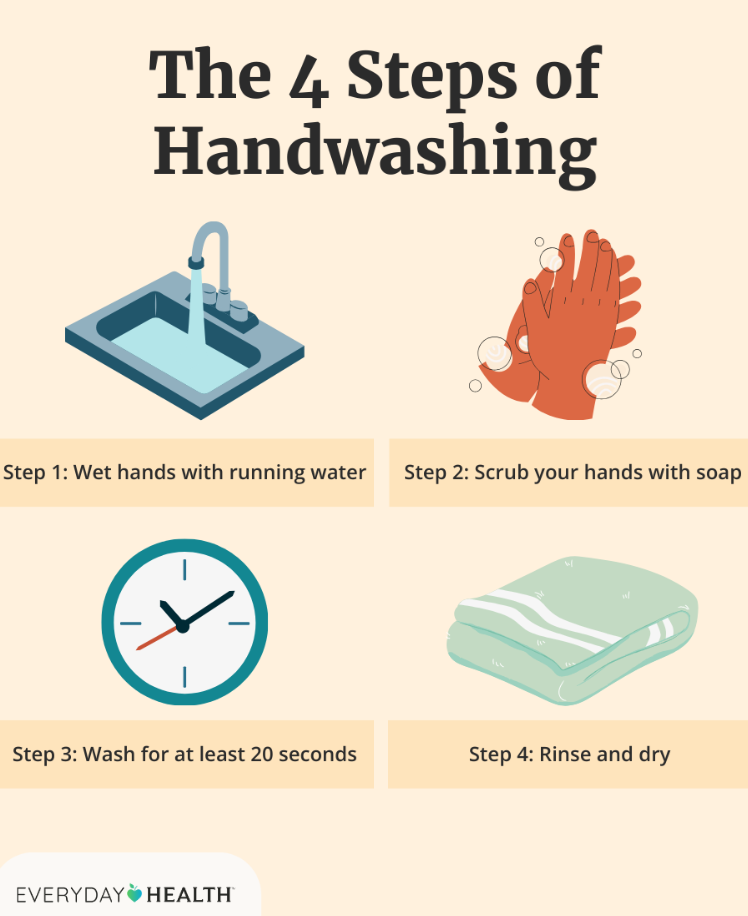
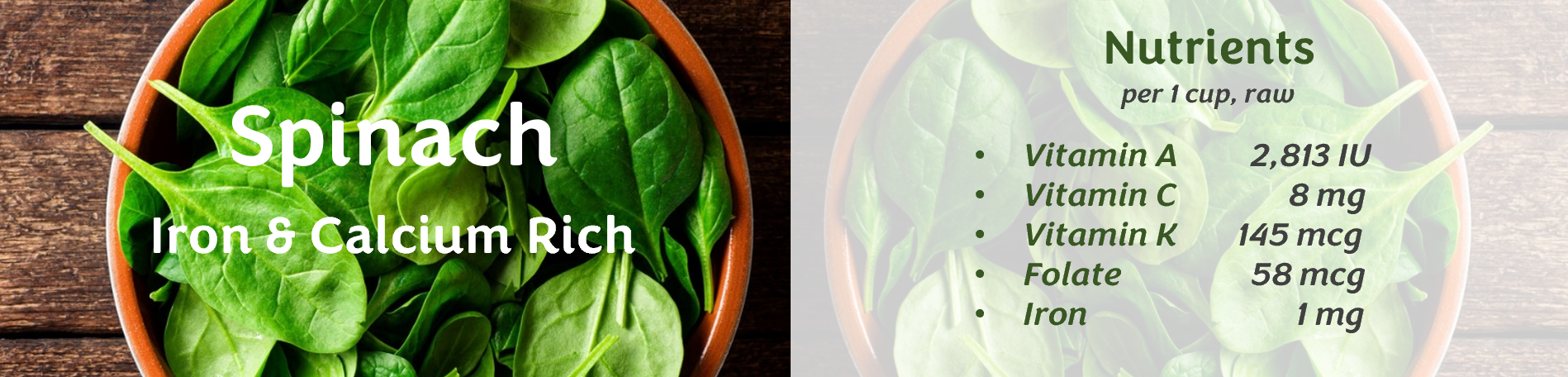
 Spinach: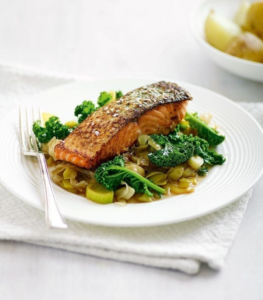

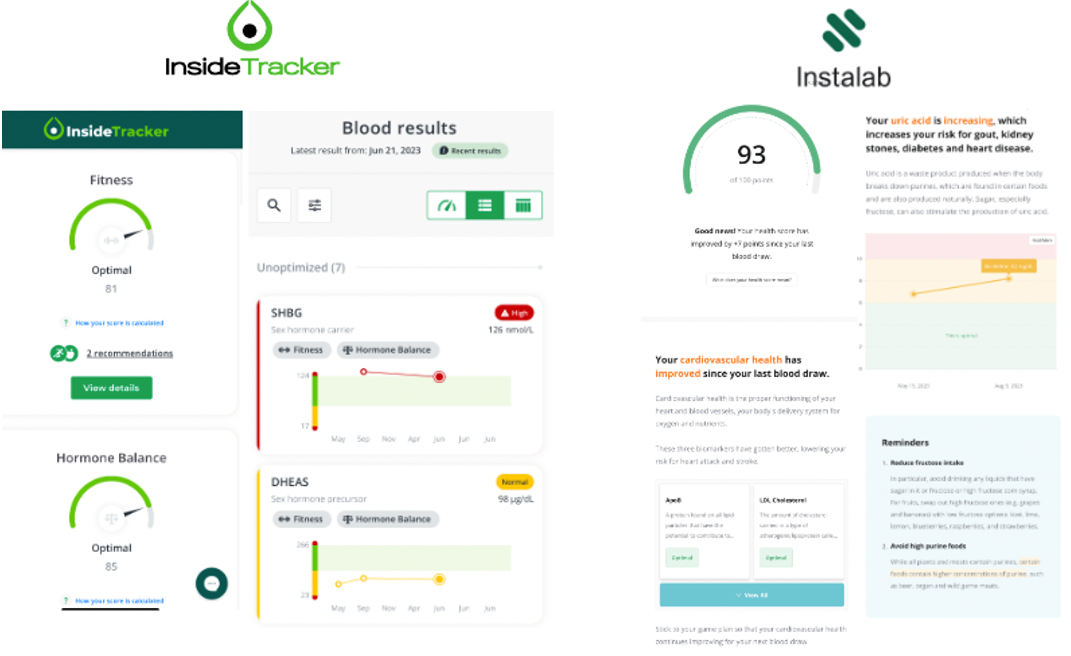
 Sustainability is no longer a buzzword but a mandate.

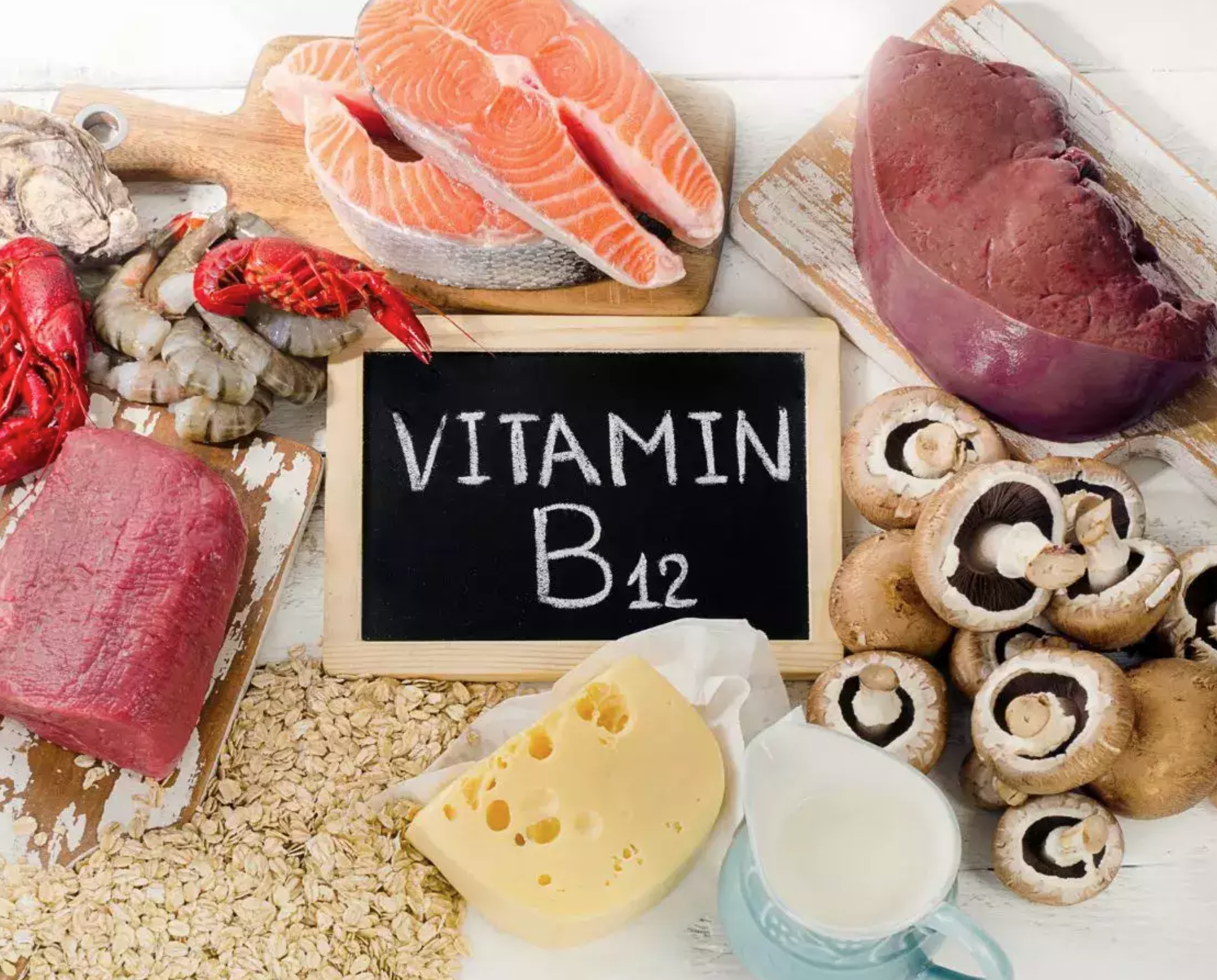 This vitamin is essential for a healthy body, as it helps develop red blood cells,




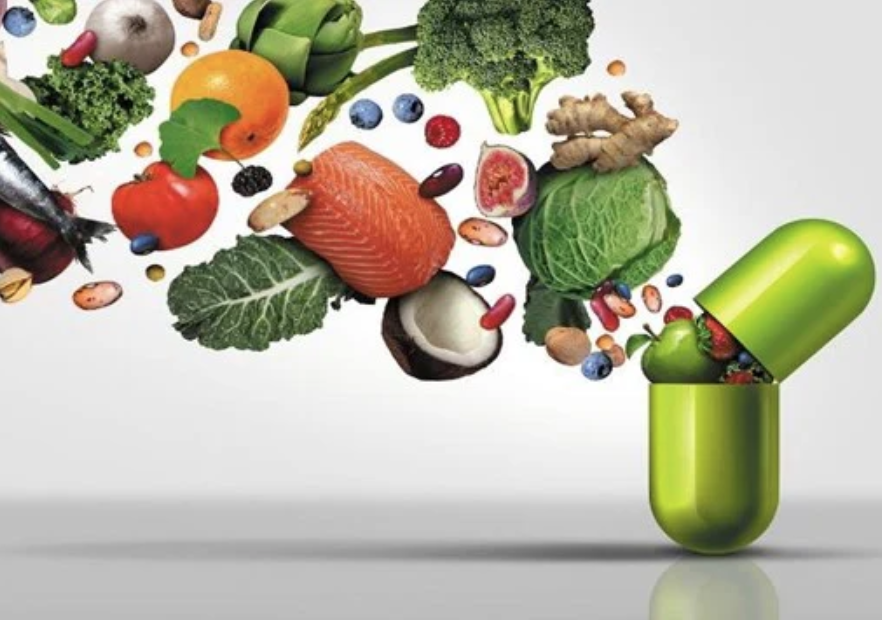 All-natural

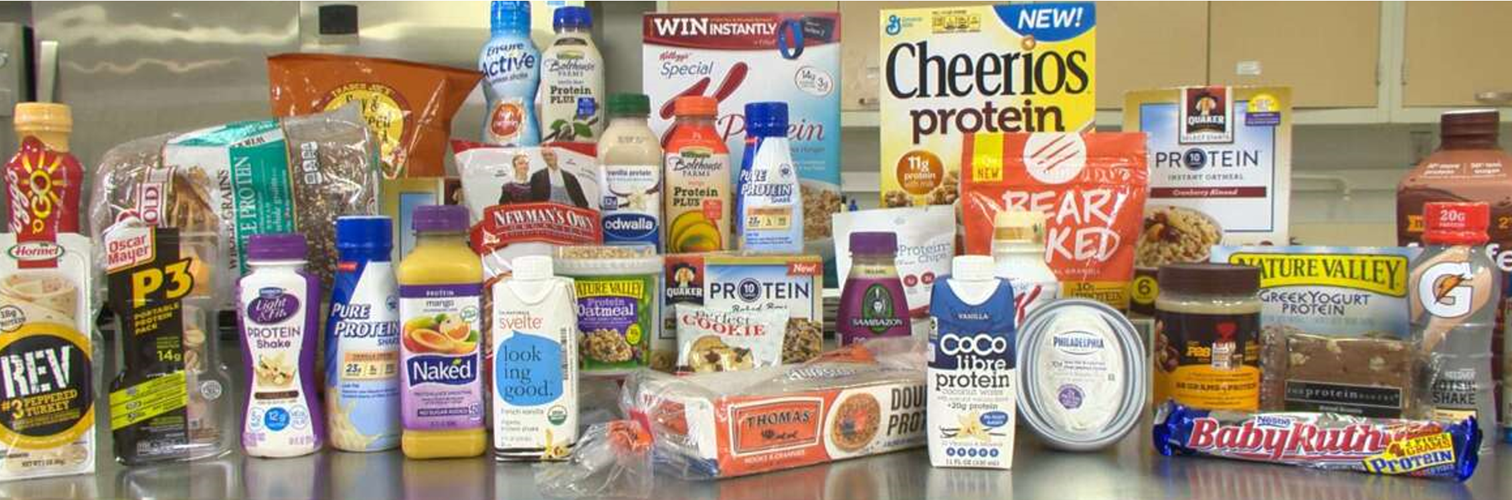
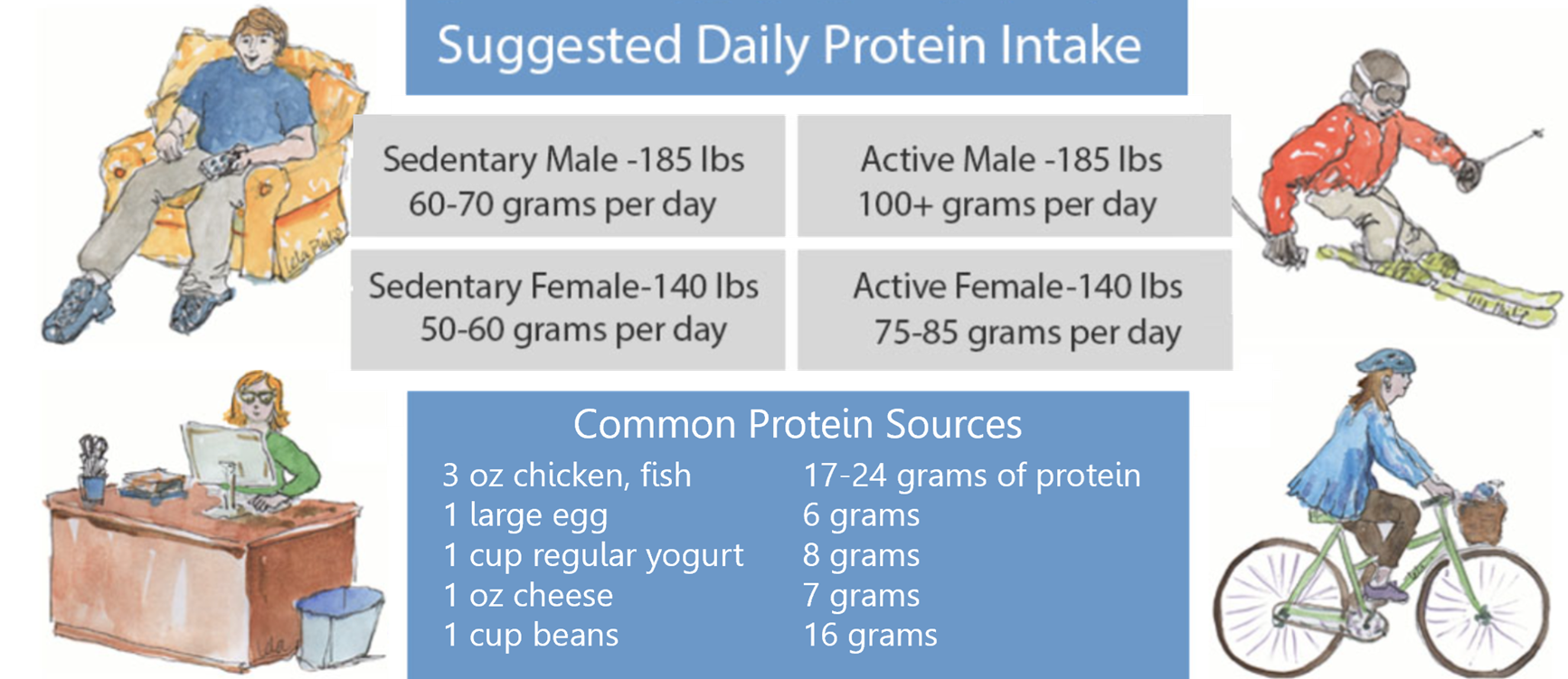
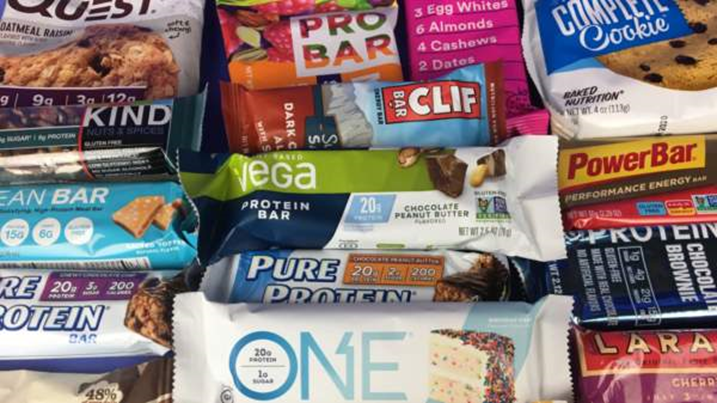 While protein can help you feel full and satisfied, consuming more protein than your body needs doesn’t magically become muscle…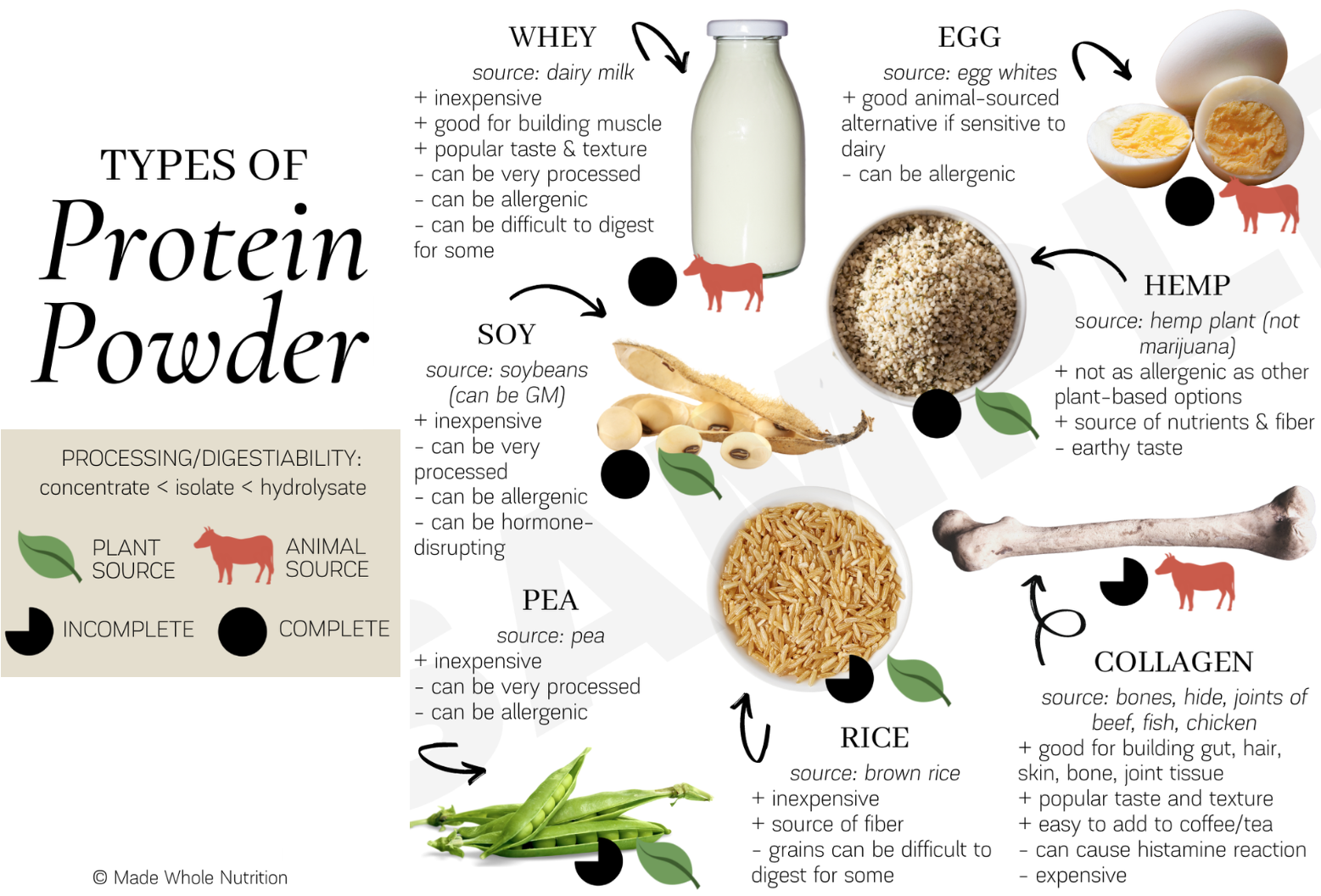


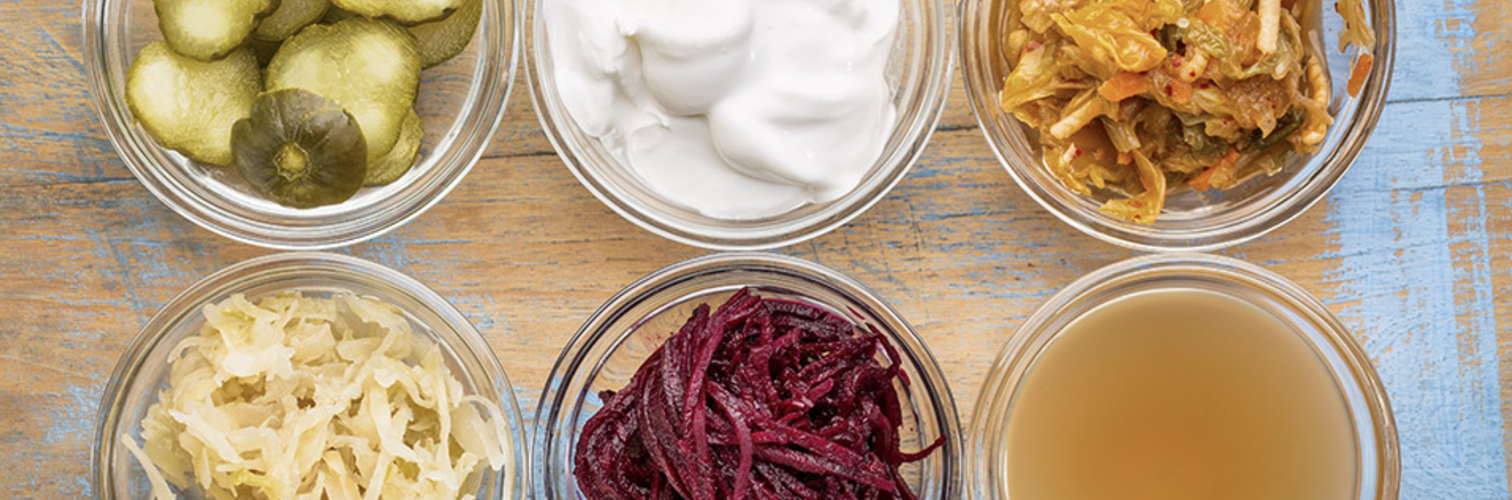

 They’re found in almost every culture and cuisine. Historians
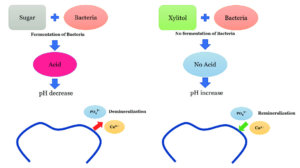 Dental benefits
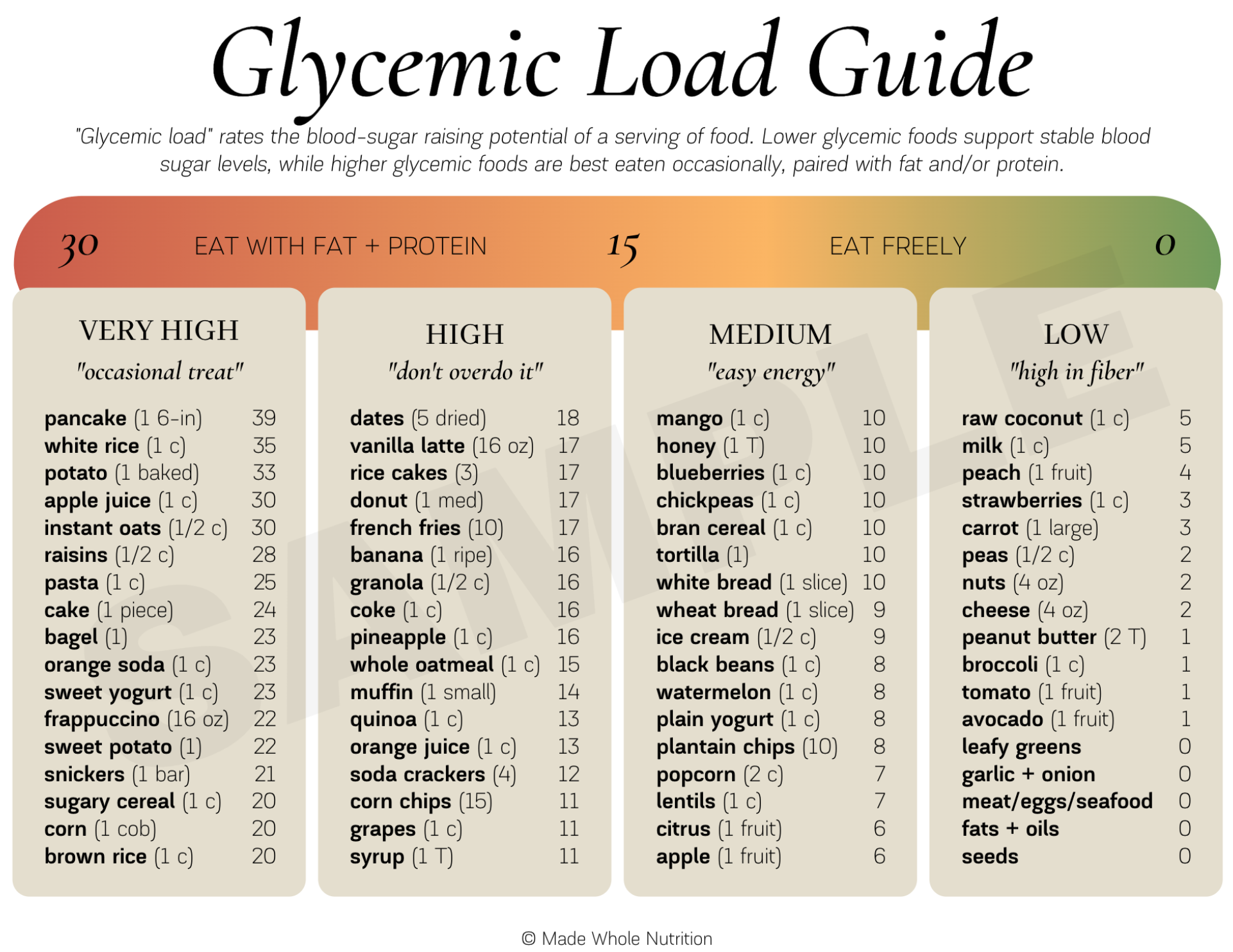
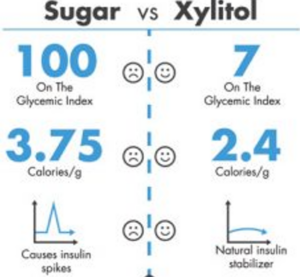 Glycemic control








 For heart health, it champions the consumption of
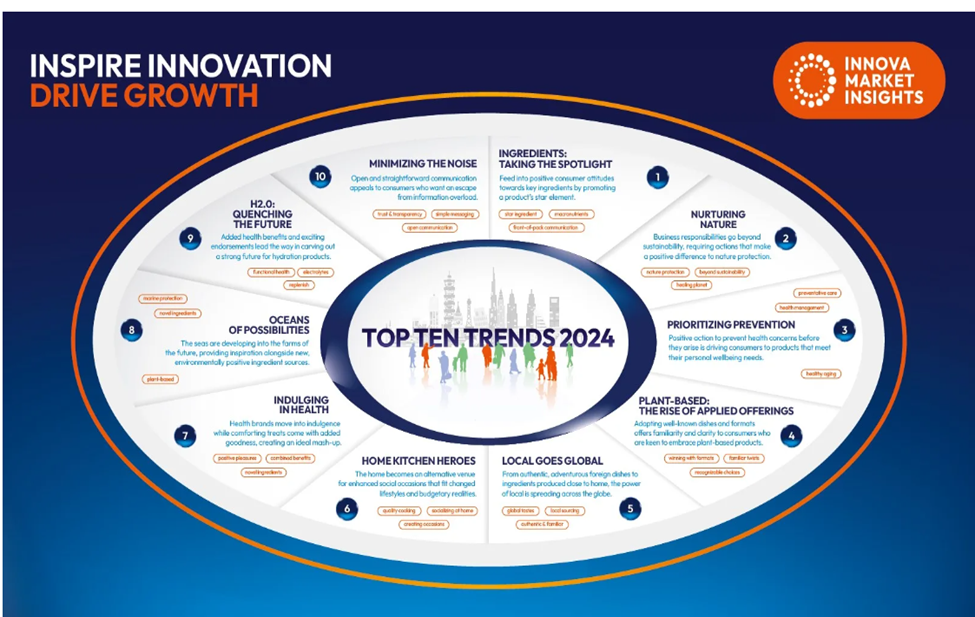
 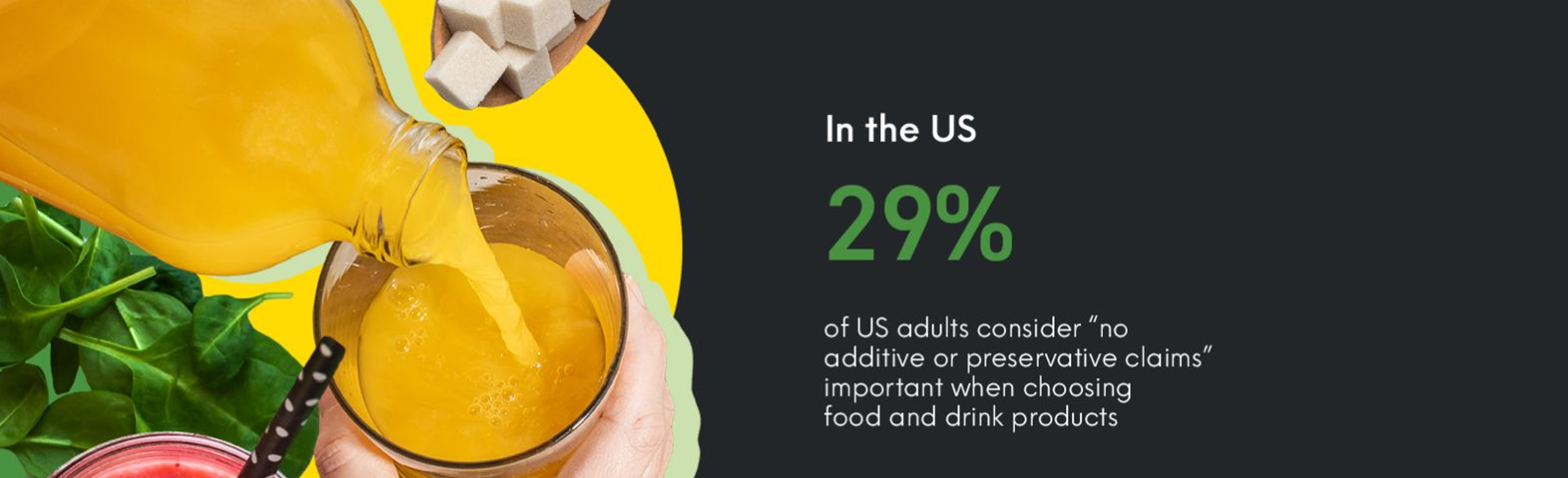 It is not that those ingredients are bad for you, but you want to look for foods that have more healthy nutritious ingredients that add value to your body. The report also points to a burgeoning interest in traditional and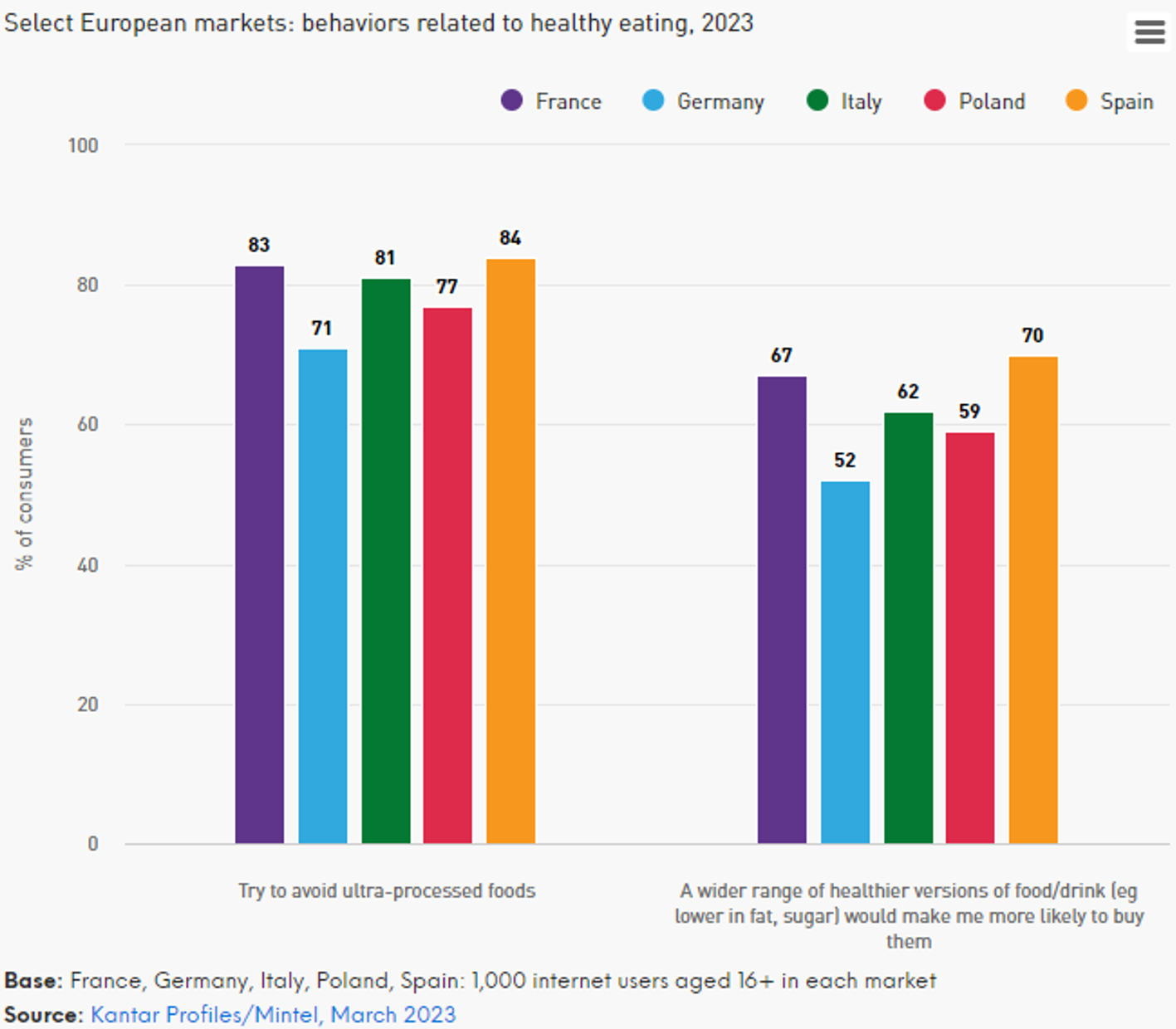












 That’s a big help to indecisive chowderheads like me.


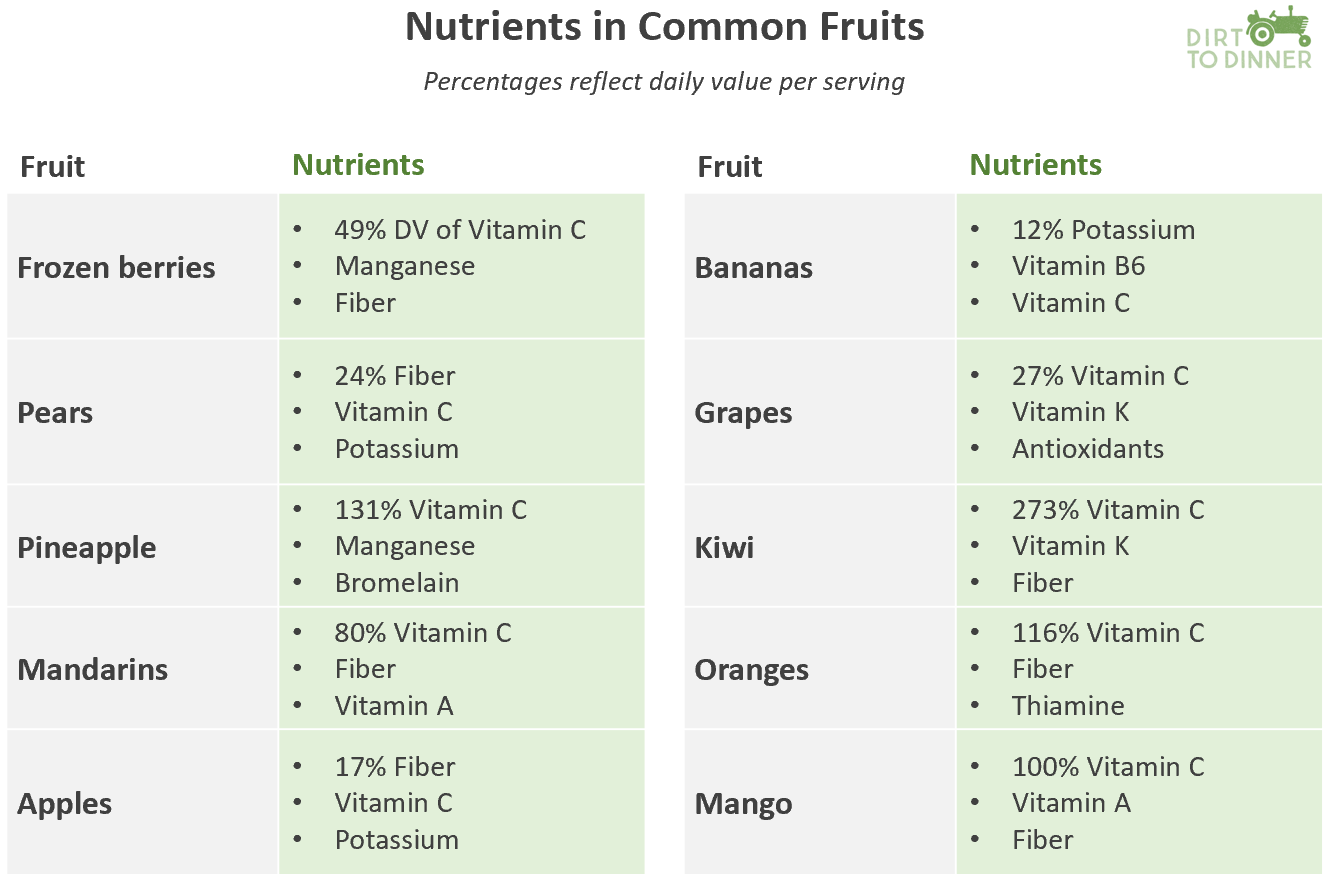
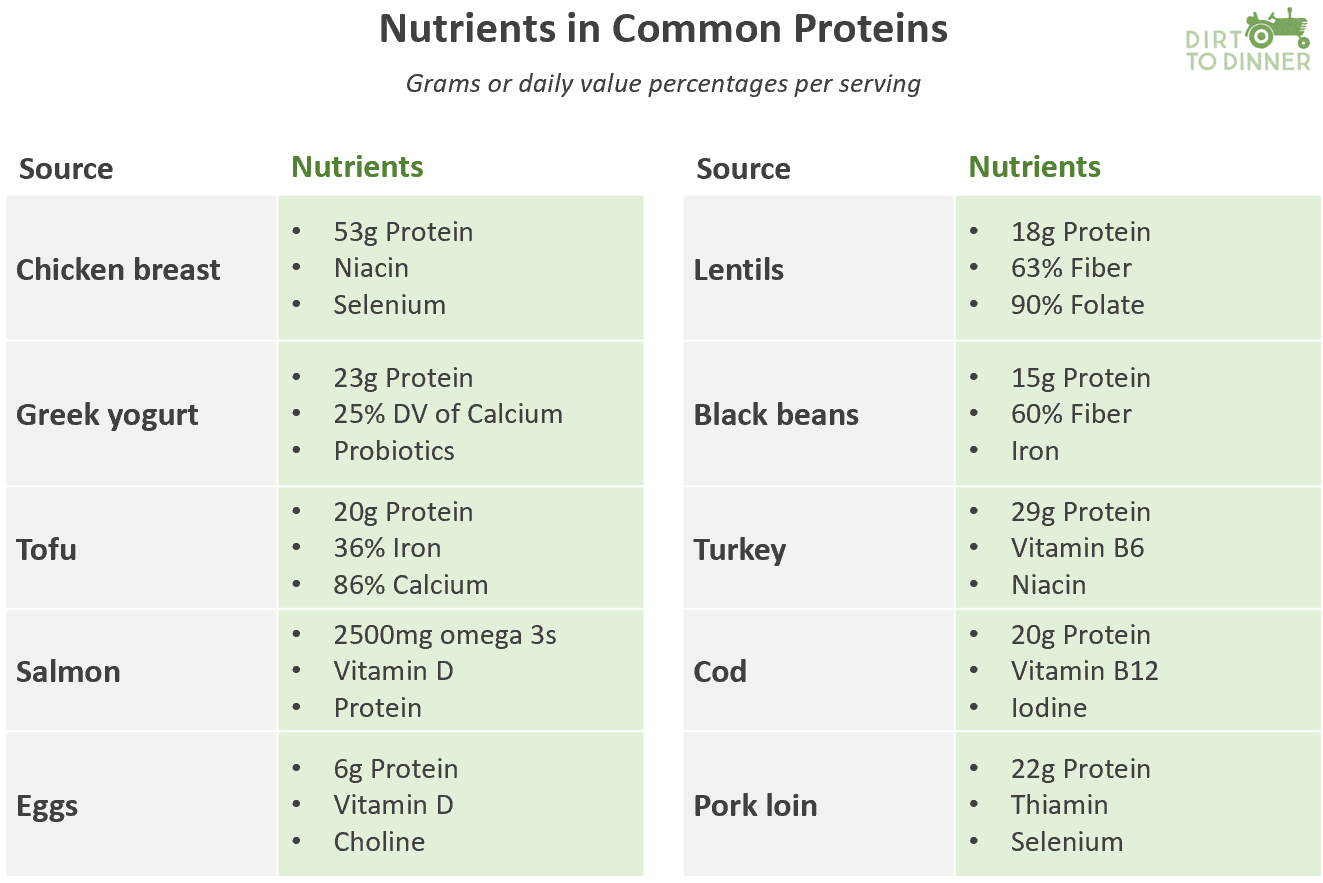
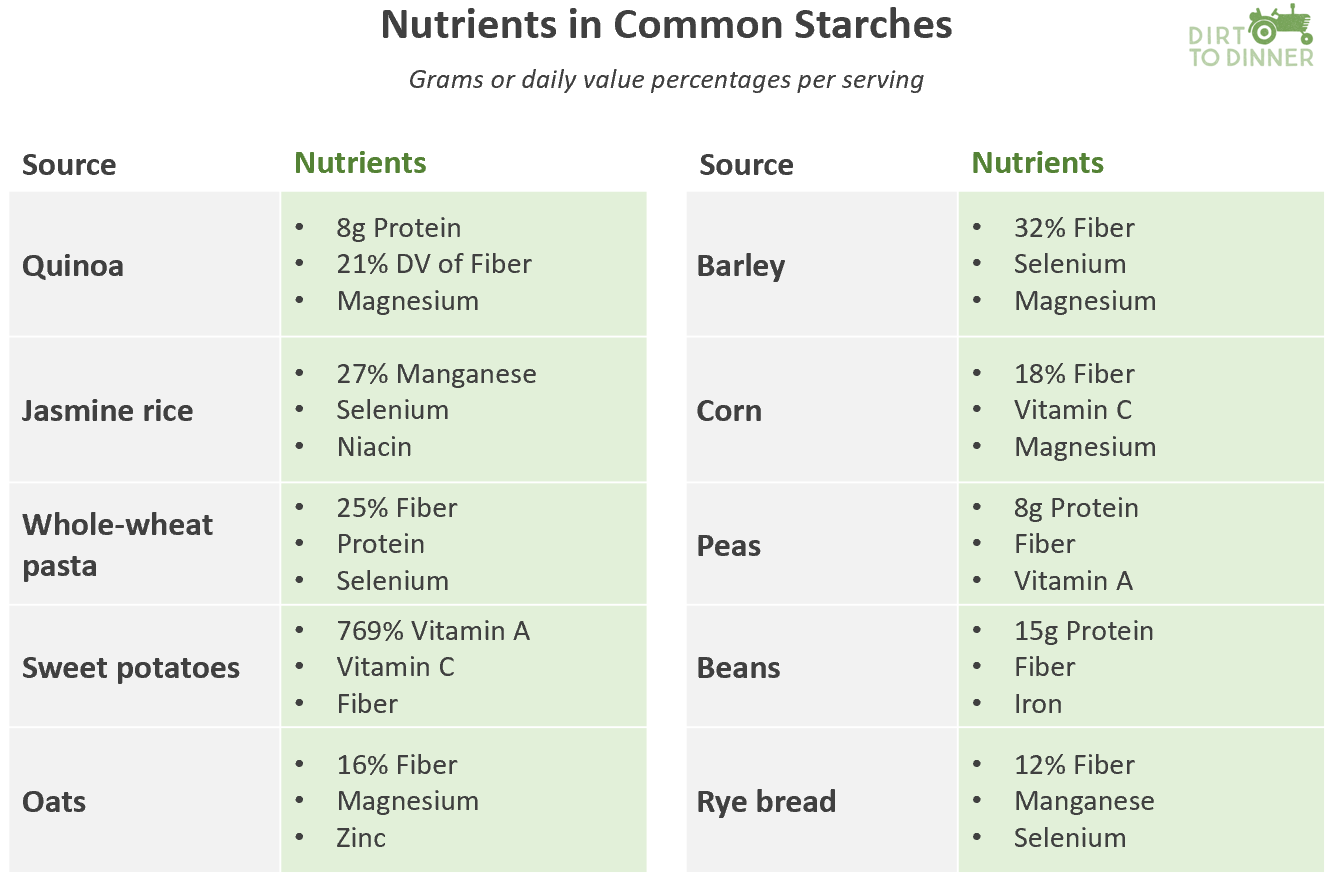
 Remember that the grams listed next to the nutritional fact are per serving size. Furthermore, the percentage to the right details what percentage of the recommended daily value (DV) each serving size contains.





 What happened? After seriously overthinking this, basically, we were…fine. We had plenty of energy to work out, we were not tired and while we were hungry, we weren’t “hangry”, so the entire five-day period was only modestly unpleasant. Although, I was very excited to eat a ‘real meal’ on day six!


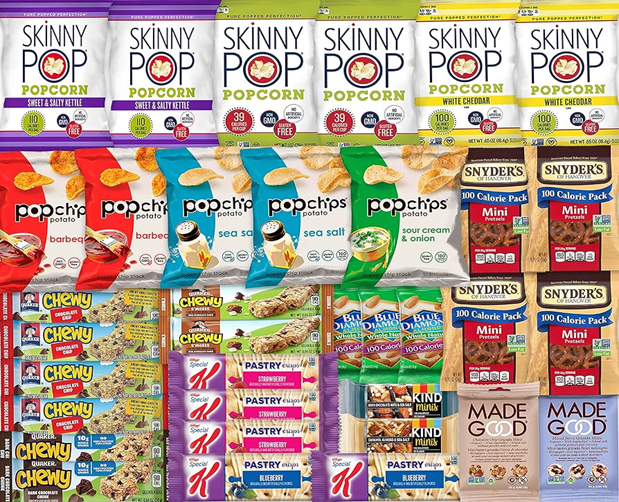
 If you’re still unsure which bar to eat, here are a few options that have at least 5 grams each of fiber, protein, and unsaturated fats, as well as very little added sugar.


 In simple terms, it’s a diet rich in protein and low in carbohydrates. Meat and seafood, certainly, but also a lot of nuts, fruits, vegetables, and even eggs, I suppose.
 But I also have incisors that do more than make me look like an adolescent or excessively-aged Dracula. They are there to tear and rip things like meat.
 And don’t forget something else my body tells me. Diet and exercise go hand in hand. It’s remarkable how much better I feel when I’m physically active, and especially so when I have the discipline to combine intellect and physicality with appetite in reasonable balance. I bet our culinary caveman also spent a good deal of time running – either chasing down food or trying not to become food. There’s a valuable lesson there, I suspect.
 As usual, the academic community quibbles over the exact percentage with the fervor of a religious zealot. But I’m prepared to accept the general principle that a caveman diet entails a good deal less meat than my insatiable youthful cravings for bacon cheeseburgers, wings, and corn dogs.
 If my brain and the rest of my body all work together on this thing we call diet and health, we might just be on to something important here. In the absence of absolute truth, perhaps a reasonable approach might rest in simple moderation. If you can find the science or authority figure you need to give you complete certainty in any single dietary approach, then by all means go for it (and share it with us for that matter!). But until you find that certainty, balance what all parts of your body are telling you with simple moderation.
 During these ten days, you’ll also need to track your weight. The easiest way to do this is to weigh yourself every morning when you wake up. If your weight stays about the same during those ten days, then you’ve found your maintenance calories. It’s always normal to experience a little fluctuation day-to-day, but your weight should stay within a few pounds.


 So for me, an educated eater, if I felt my sweet tooth coming, I indulge in a piece of


 The global market share for water has grown from $10 billion in 2017 and is projected to be upwards of $18 billion by 2025. With nearly half of all Americans
  One size does not fit all.
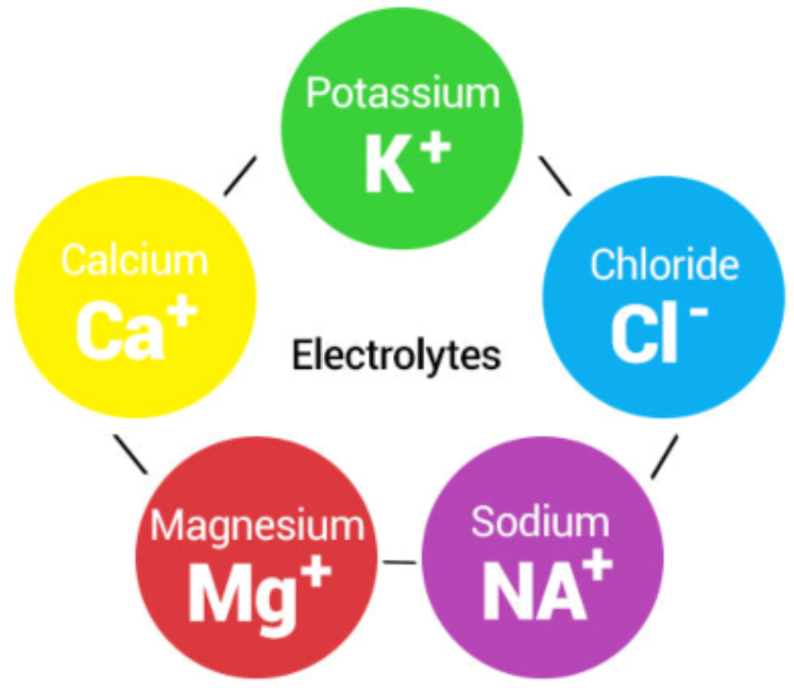
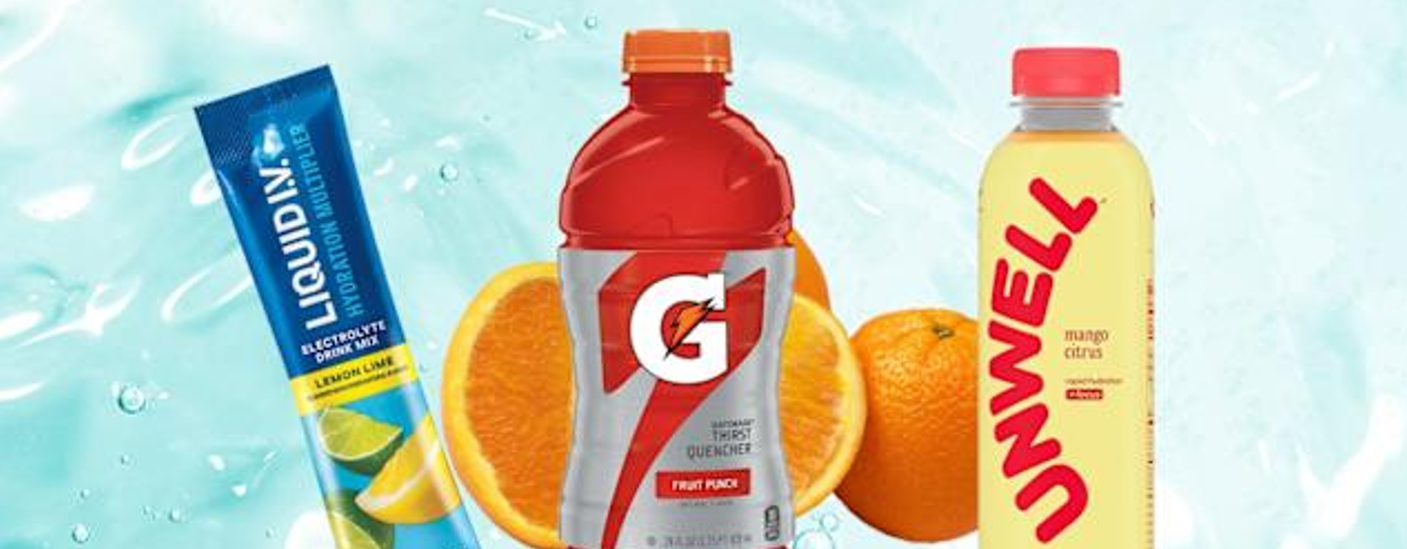
 Electrolyte Water is enhanced with electrolytes. But did you know that tap water and most other waters also contain trace amounts of electrolytes? Electrolytes themselves are minerals that help to conduct electricity when dissolved in water.
 But I suppose that is neither here nor there. Take lemon water as an example. Infusing water with lemon raises the amount of Vitamin C and antioxidants – but only produces a very, very small change in its nutritional content.