How Hunger Affects a Growing Brain

At 10:07 on a Tuesday morning, a student stares at a math problem she understood the night before. She reads the instructions. Then she reads them again. Her attention wanders. Her head hurts. She is tired, impatient, and increasingly frustrated. Is she unprepared? Unmotivated? Distracted by something that happened at home?

Perhaps. But there is another possibility worth considering: her brain may be trying to work without all the materials it needs.

Learning happens in the classroom, but many of its raw materials arrive earlier—on the breakfast plate, in the lunchbox, and at the dinner table. The developing brain requires energy, protein, fats, vitamins, minerals, oxygen, sleep, stimulation, and emotional security.

When nutrition repeatedly falls short, the effects may appear not only on a growth chart but also in attention, memory, mood, behavior, and academic performance.

That does not mean a single missed breakfast causes a failed test, or that one “superfood” can raise a child’s IQ. It means that the growing brain is a living organ under construction—and construction requires the right supplies.

What Malnutrition Looks Like

The word malnutrition often brings to mind a visibly underweight and impoverished child who does not have enough to eat. That is one form of malnutrition, but it is not the only one.

The World Health Organization defines malnutrition as deficiencies, excesses, or imbalances in a person’s intake of energy or nutrients. A child can receive too few calories, too little protein, or too few vitamins and minerals. A child can also consume plenty of calories while eating a diet that provides inadequate amounts of iron, iodine, vitamin B12, zinc, essential fatty acids, and other nutrients.

Imagine that a construction crew receives 10,000 bricks but no wiring, glass, cement, pipes, or lumber. The delivery may be enormous by weight, but the crew still cannot build a functioning school. Calories provide energy. Nutrients help construct and operate the machinery that uses it.

This is sometimes called hidden hunger: a shortage of essential vitamins or minerals that may not be obvious from appearance alone. It can occur in children who are underweight, at an expected weight, or overweight.
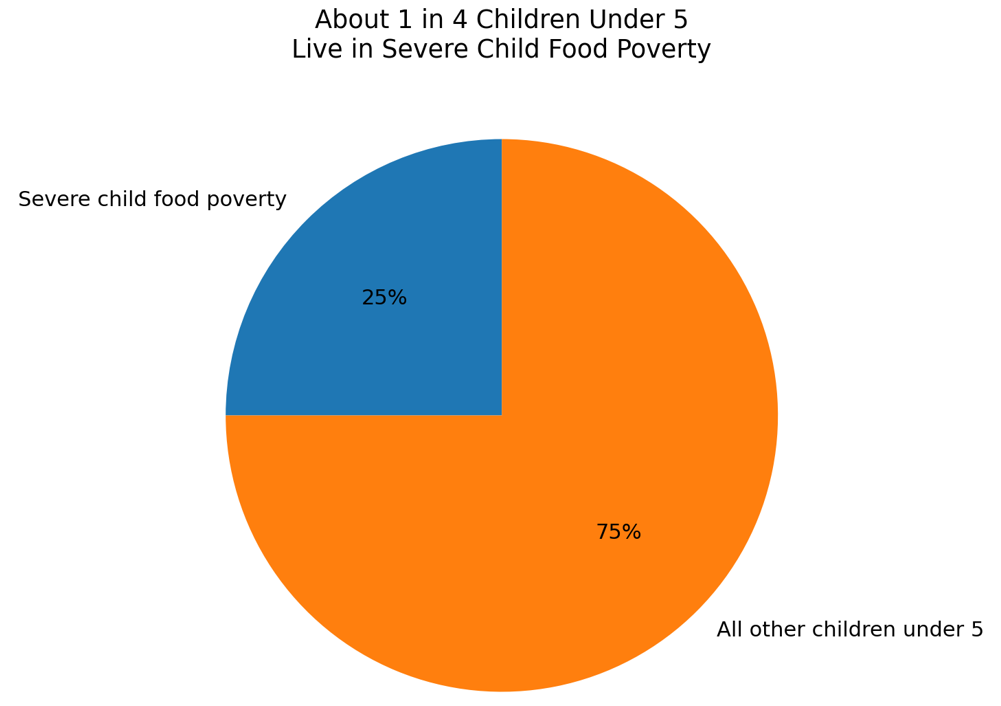
Globally, the problem is enormous. In its 2024 Child Food Poverty report, UNICEF estimated that 181 million children under age five, approximately one in four, were living in severe child food poverty, meaning they regularly consumed foods from no more than two of eight defined food groups.

In the United States alone 1 in 5 children don’t have enough to eat. Many of these do not have access to ANY food over the weekend as their main meals come from school.

These children are at increased risk of malnutrition and threats to healthy growth and development. Importantly, UNICEF found that 54% of these children lived outside the two poorest household wealth groups. Income matters enormously, but it is not the only factor affecting diet quality.

UNICEF estimates that about one in four children under age five live in severe child food poverty.

– UNICEF, 2024

A Young Brain Under Construction

A young brain is both a race car and the factory assembling the race car. It must pay attention, solve problems, regulate emotions, and store memories today, even as it continues building the systems it will use tomorrow.

Throughout childhood and adolescence, the brain forms and refines neural connections. Frequently used pathways are strengthened, while others are pruned. Myelination also continues: nerve fibers become wrapped in a fatty insulating layer that allows signals to travel more efficiently.

The systems responsible for planning, judgment, impulse control, working memory, and emotional regulation continue developing throughout adolescence. The WHO defines adolescence as ages 10 through 19 and describes it as a period of rapid physical, cognitive, and psychosocial development.

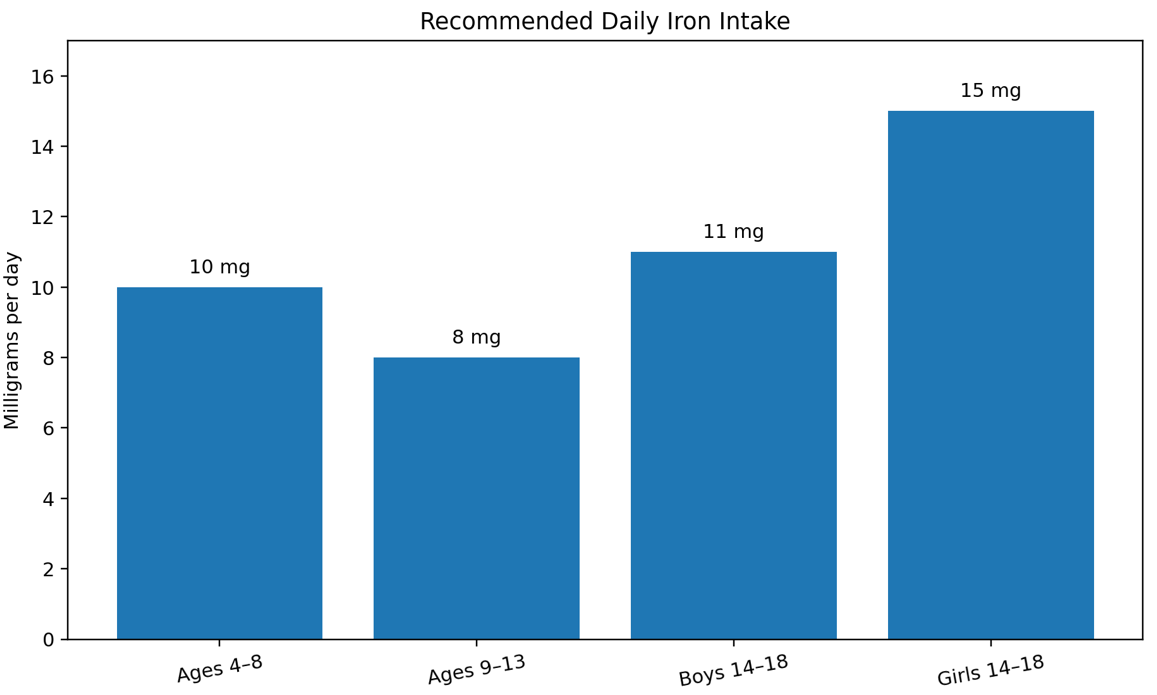
Early childhood is an especially sensitive period, but nutrition remains important during the school years. Growth spurts increase nutrient needs. Menstruation increases iron losses. Athletic activity raises energy demands. Meanwhile, adolescents gain more control over what they eat and may begin skipping meals, dieting, eliminating food groups, or relying heavily on convenience foods.

A young person’s brain therefore has two nutritional jobs: funding today’s mental work while investing in tomorrow’s neurological infrastructure.

Food Supplies More Than Fuel

It is tempting to talk about “brain food” as though the brain runs on blueberries or salmon in the same way a car runs on gasoline.
The biology is more complicated.

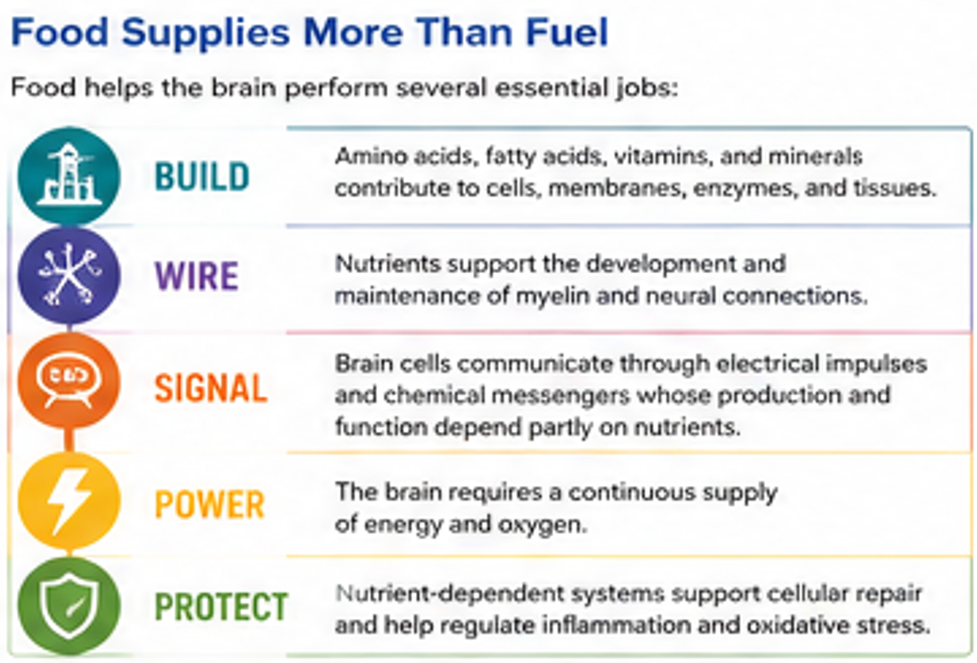
Food helps the brain build cells and tissues, wire neural connections, send chemical signals, generate energy, and protect against cellular stress.

Food supports several overlapping jobs in the developing brain, from building cell membranes to powering neural communication.

The brain’s electrical grid therefore needs more than electricity. It needs wires, insulation, transformers, delivery vehicles, maintenance workers, and a control center. Among the many nutrients involved, iron provides one of the clearest examples of how a nutritional shortage can affect cognition.

Iron: The Brain’s Oxygen-Delivery System

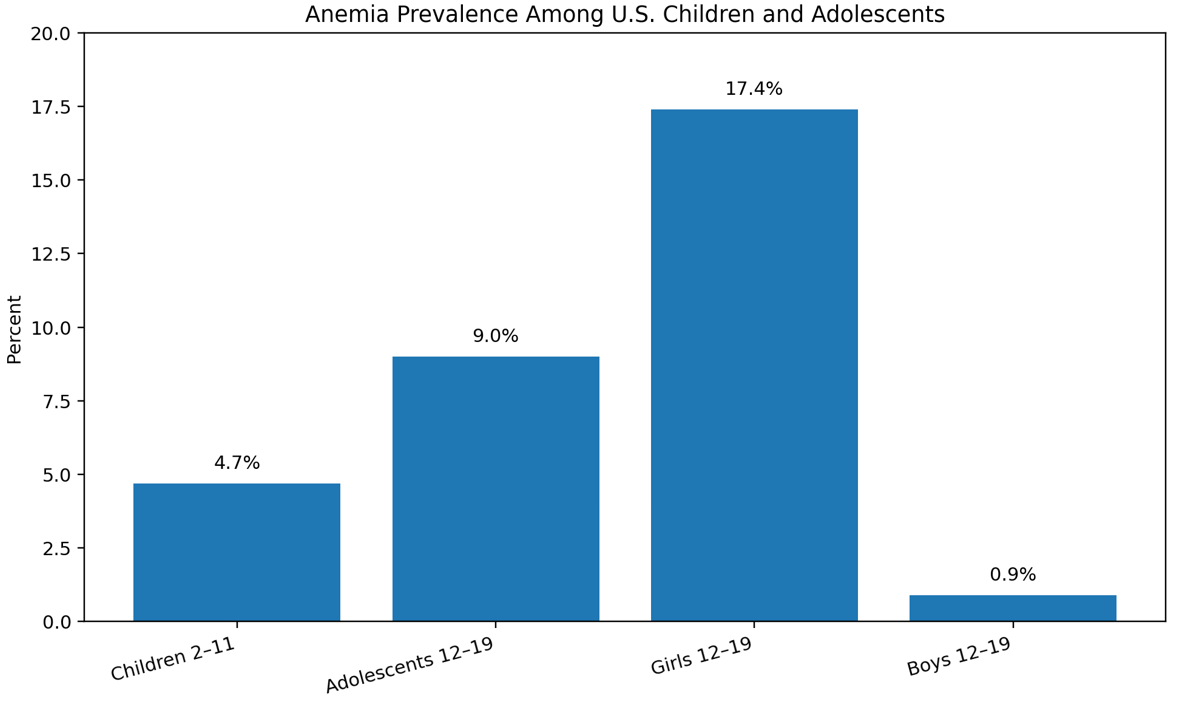
Iron is best known as a component of hemoglobin, the protein in red blood cells that carries oxygen. It also participates in energy metabolism, myelination, and neurotransmitter function. Without adequate iron, the body’s oxygen-delivery fleet cannot operate normally. Even the most sophisticated factory slows when too few delivery trucks arrive.

The WHO estimates that anemia affects approximately 40% of children ages 6 to 59 months worldwide. Anemia has several possible causes and should not be treated as interchangeable with iron deficiency, but iron deficiency is a major contributor globally.
What Does the Research Show?

A 2023 systematic review and meta-analysis by Gutema and colleagues examined randomized controlled trials of iron supplementation in school-age children.
The researchers found significant improvements in intelligence, attention, concentration, and memory, although they did not find sufficient evidence of improved school achievement. Effects varied among studies and should not be interpreted to mean that iron supplements enhance cognition in every child.

A 2022 review by Samson, Fischer, and Roche similarly concluded that iron plays an important role in brain development and cognitive function. However, results differed according to participants’ ages, baseline iron status, the severity and timing of deficiency, inflammation, treatment duration, and the tests used to assess cognition.

The question is not simply, “Does iron make children smarter?”

The more useful question is, “What happens when a developing child does not have enough iron, and can correcting that shortage restore normal function?”

Iron-rich foods include meat, poultry, seafood, beans, lentils, tofu, and fortified cereals. Vitamin C can help the body absorb the nonheme iron found in plant foods.

Iron supplements, however, should not be treated as academic boosters. Excess iron can be dangerous, and fatigue or difficulty concentrating can have many causes. Possible deficiencies should be evaluated by a qualified health professional.

How Might Poor Nutrition Appear in the Classroom?

A nutrient deficiency rarely enters the classroom wearing a name tag.

A struggling student does not announce, “My iron stores are low,” or “My diet lacks sufficient variety.” Instead, the difficulty may sound like: “I’m tired.” “I can’t think.” “I forgot.” “This is too hard.” “I don’t care.”

Hunger, fatigue, anemia, and insufficient energy intake can make sustained concentration more difficult. Learning also requires information to be noticed, encoded, consolidated, stored, and later retrieved. Nutrients do not perform these tasks themselves, but they support the cells, signaling systems, and energy metabolism that make them possible.

Executive functions—planning, inhibition, working memory, mental flexibility, and task switching—help students begin assignments, resist distractions, follow multi-step instructions, and change strategies when something is not working. Hunger and fatigue may also contribute to irritability and difficulty regulating emotions.

A 2022 systematic review published in BMJ Global Health examined 30 studies of childhood malnutrition. The authors found strong evidence that malnutrition impairs neurodevelopment and academic achievement. Eight of 11 studies reported an association with impaired cognition, while five of seven identified differences in behavioral assessments. Evidence surrounding mental-health outcomes was more limited and inconsistent.

These findings do not mean that nutritional status alone determines how a child behaves or performs in school. Attention difficulties, forgetfulness, fatigue, and irritability have many possible causes and should never be used to diagnose a nutritional deficiency.

One Missed Lunch Is Not Chronic Malnutrition

A single missed meal can cause hunger, discomfort, irritability, or temporary difficulty concentrating. That is different from a prolonged shortage of energy or nutrients. Forgetting to charge a laptop one evening is inconvenient. Operating it for months with a damaged battery, missing components, and faulty wiring is a much larger problem.

The duration, severity, timing, and type of nutritional inadequacy all matter. A deficiency during a sensitive period of brain development may have different consequences from a brief shortage later in childhood. Mild inadequacy is also different from severe protein-energy malnutrition. This helps explain why nutrition studies do not all produce identical results—and why researchers must be careful when describing cause and effect.

Nutrition Rarely Acts Alone

Scientists cannot ethically assign children to prolonged malnutrition. Much of the evidence therefore comes from observational research, longitudinal studies, natural experiments, and trials designed to correct deficiencies.

Children experiencing poor nutrition may also face poverty, infection, chronic stress, environmental exposures, poor sleep, reduced access to health care, school absence, or fewer educational resources. Each can affect development independently. Nutrition is one instrument in an orchestra. If the music sounds wrong, researchers must determine whether the problem began with the violin, the conductor, the acoustics—or several factors playing together.

Randomized trials that correct nutrient deficiencies can provide stronger evidence. In a systematic review of 19 randomized trials, Lam and Lawlis found that eight of the ten studies measuring fluid intelligence reported significant improvements following micronutrient interventions. Benefits appeared particularly relevant among children who were iron- or iodine-deficient at baseline, while results for other cognitive outcomes were less consistent.

The message is not that vitamin pills make children smarter. It is that correcting a genuine deficiency may allow the brain and body to function more normally.

Feeding the Brain Without Buying “Brain Food”

A brain-supportive diet does not require powders, specialty bars, or expensive wellness products. It begins with variety and regular access to familiar foods:

Many nutritious foods are ordinary and relatively economical: beans, peanut butter, eggs, canned fish, lentils, frozen vegetables, potatoes, oats, milk, fortified cereal, and iodized salt.

Variety matters because foods operate more like a team than a collection of solo performers. Vitamin C improves the absorption of plant-based iron. Fat helps the body absorb fat-soluble vitamins. Protein-rich foods frequently deliver iron, zinc, vitamin B12, and other nutrients together. The brain does not read nutrition headlines. It responds to the overall pattern delivered over time.

The Lesson Before the Lesson

Nutrition does not determine a child’s intelligence or future. A well-nourished child may still struggle academically, and a child experiencing food insecurity may be deeply capable, creative, and resilient. But resilience should not be confused with invulnerability.

Research shows that inadequate nutrition can make learning harder by affecting systems that support attention, memory, processing, growth, and emotional regulation. Risks are greatest when deficiencies are severe, begin early, persist over time, or occur during sensitive stages of development.

Better nutrition cannot rewrite every chapter of a child’s development. It can, however, provide better material for the chapters the brain is still writing.

We often imagine that learning begins when a teacher starts speaking or a student opens a textbook. Biologically, the lesson begins earlier. It begins with oxygen reaching the brain, insulation forming around a neuron, a chemical signal crossing a synapse, and the nutrients that make each process possible.

Brain food is not a miracle berry, an expensive supplement, or a perfect breakfast. It is the steady, ordinary work of nourishing a brain that is still being built.
El Nino Adds to Climate Change Puzzle

El Nino isn’t just a headline or catchy bit of video on the internet. It’s a serious concern for everyone globally – sometimes deadly serious. The National Oceanic and Atmospheric Administration (NOAA) calls El Nino “arguably the most influential climate driver on Earth.”

What is El Nino?

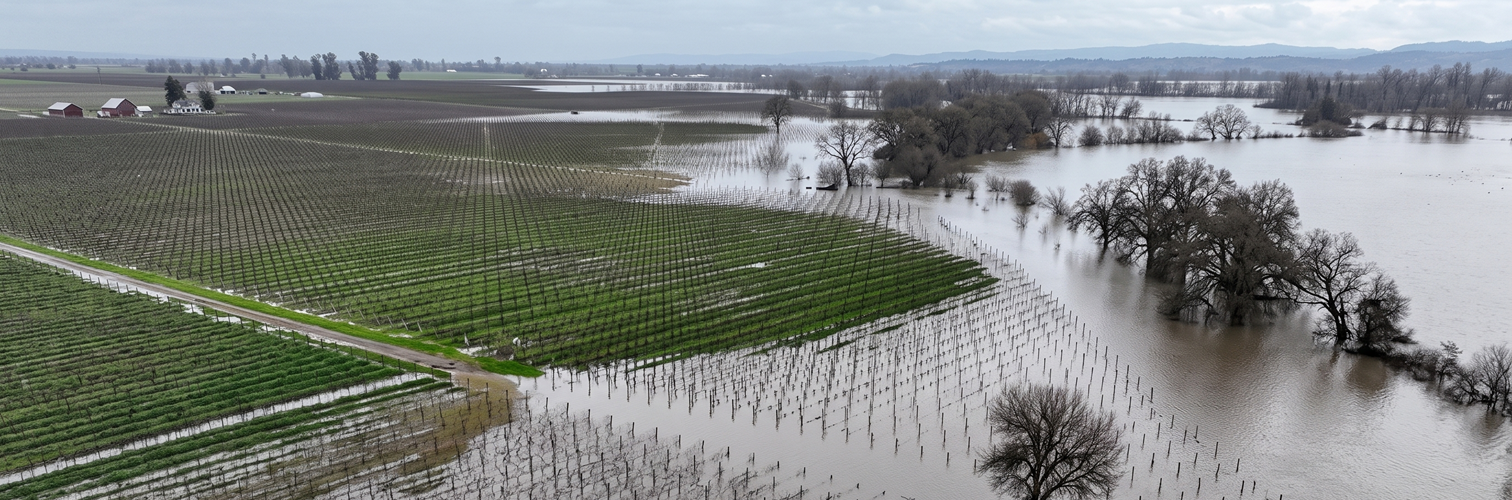
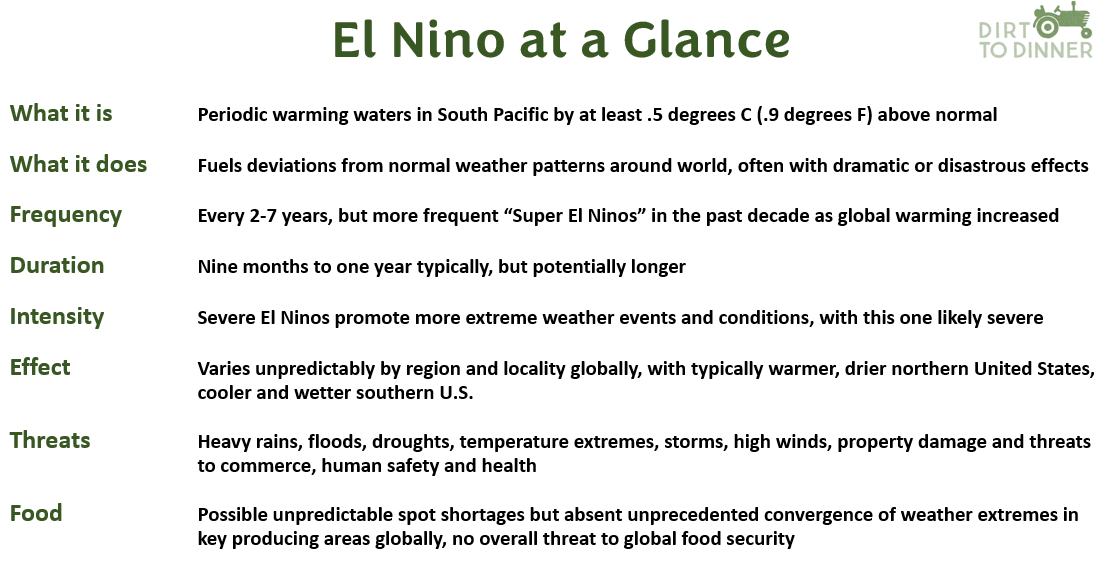
El Nino is a natural phenomenon that results when the surface waters of the eastern Pacific Ocean become warmer than average and easterly winds blow weaker than normal. The result is change in the atmospheric conditions that shape weather patterns around the world.  In past El Ninos, we’ve seen a variety of weather effects around the globe – droughts, floods, severe storms, temperature extremes, greater fire risks, polluted waters and a raft of other conditions that result when moisture and temperature patterns are changed from their norms.

There is more at stake with El Nino than just weather conditions. The effects of El Nino shape production of the crops that form the basis of our global food system. Property may be damaged, often catastrophically. People struggler from the extremes with simple human suffering and added risk of disease. Commerce may be affected, shaping the flow of essential goods and services on which we all rely.  Of course, farmers could be affected with droughts and/or floods.

Has El Nino begun, and how long will it last?

El Nino is nothing new. Since 1950, 28 separate El Ninos have been recorded, occurring on average every two to seven years. El Nino typically lasts for about nine months to a year, although they may vary in intensity and duration. El Nino and its counterpart La Nina  both tend to develop during the spring (March-June), reach peak intensity during the late autumn or winter (November-February), and then weaken during the spring or early summer (March-June), according to NOAA.

The National Weather Service states that an El Nino officially begins when water temperatures rise 0.5 degrees Celsius (0.9 Fahrenheit) above normal.

The World Meteorological Organization( WMO) attracted widespread media attention when it predicted an 80 per cent probability of El Nino emerging between June and August, and a 90 percent probability of it forming after that period.  But in June, NOAA  declared that El Nino has officially arrived, with the ocean temperatures reaching the levels in various parts of the ocean that define it.

NOAA also noted that this El Nino has a 63 percent chance of becoming one of the more severe varieties of the phenomenon – what’s known as a Super El Nino – in which ocean temperatures rise more than 2 degrees Celsius (3.6 degrees Fahrenheit).

The World Resources Institute (WRI) reports that Super El Ninos historically occur every 10-15 years,  Five Super El Ninos have been recorded, dating back to an 1877-88 event that left over 50 million dead from widespread damage to agricultural production and the overall ecology, according to government records. The other four have been recorded in much more recent times — 1982-83, 1997-98, 2014-16 and 2023-24.

Does global climate change affect El Nino intensity?

In simple terms, experts worry that this potential Super El Nino could be especially troublesome.  Yet, the link between global warming and the frequency, intensity and duration of El Nino is widely debated within the scientific community.

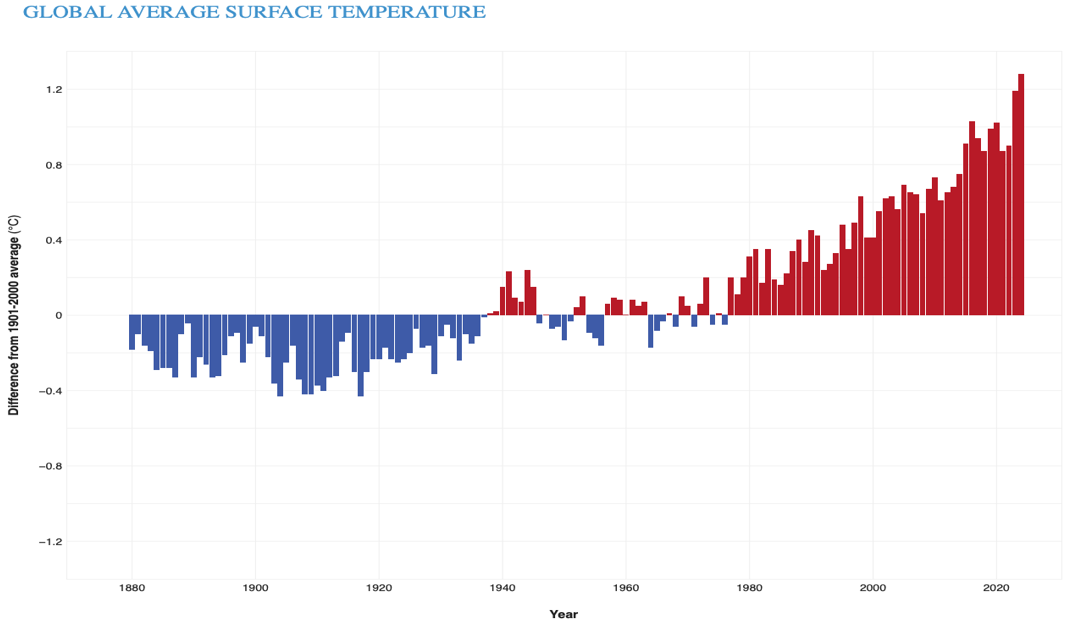
Climate experts at the 2 degrees Institute, point to the effect of the recent warmer-than-average global temperatures. As WRI points out, the last 11 years have been the warmest on record. NOAA also notes that 10 of the warmest recorded years have occurred between 2015 and 2024. Since 1982, NOAA adds, global temperatures have been increasing by 0.2 degree Centigrade (0.36 degrees Fahrenheit) per decade – more than three times the average decade increase dating back to 1850.

One observer writing in ClimateFactChecks.org captured the sense of certainty possessed by some members of the climate-science community: “Global warming is accelerating the intensity and frequency of El Niño events, with new projections indicating that by 2050, nearly half of these occurrences could reach extreme levels.”

Despite the apparent correlation of El Nino with rising global temperatures, some experts offer a more sophisticated and complex interpretation of the link between climate change and El Nino. Celeste Saulo, secretary general of The World Meteorological Organization, notes that there is no evidence to support the thesis that climate change is increasing the frequency or intensity of El Nino, but rather amplifies its effects.

That is, El Nino’s consequences may become more extreme due to global warming. But global warming does not mean El Nino itself occurs more frequently or become more intense.

How is El Nino likely to affect the weather?

Experts are reluctant to guess just how long this El Nino may last. Most say the phenomenon can persist for up to 18 months – and maybe longer under extreme conditions. For now, most weather experts can agree on one thing:  this El Nino can be expected to grow well into the winter of 2026-27.

The precise effects of El Nino are virtually impossible to predict except in very broad terms. Past El Ninos make it possible to speak in generalities about its effects in various regions and areas of the world. But precise projections for specific locations are highly speculative at best, and no two El Ninos are exactly alike.

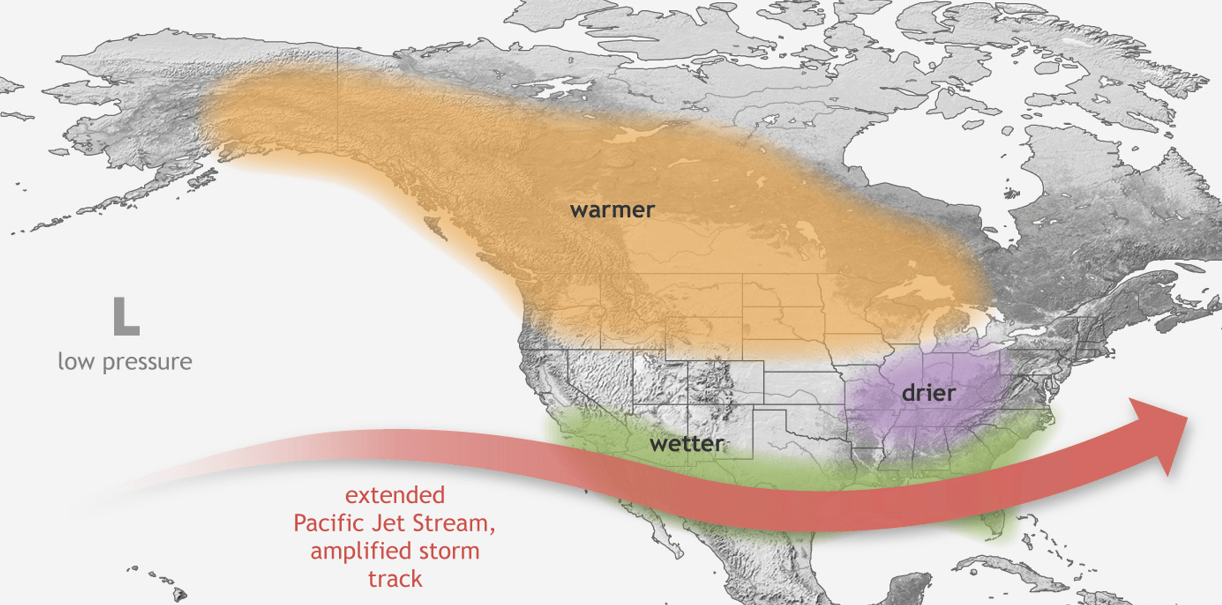
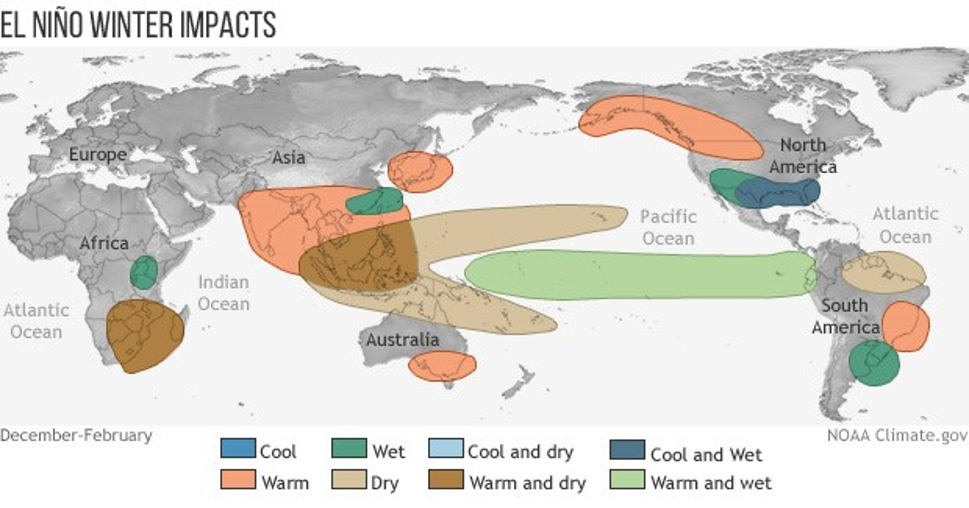
As NOAA observes, “El Niño exerts its largest impacts on the Northern Hemisphere during the winter, typically bringing milder weather to the northern parts of the United States and wetter conditions across the southern United States. In North America, history concurs: expect wetter and stormier weather patterns in the southern United States and drier, warmer weather in the northern parts of the country.

That doesn’t mean everyone is afraid to offer an opinion. For example, Stormbag.com offered its own projections for El Nino’s effects across the United States:

  • California (especially Southern): Higher-than-normal precipitation favored. Subtropical jet stream pushes Pacific storms onshore. Atmospheric river risk peaks January-March. Mudslides, debris flows, and coastal erosion all elevated. Watch sloped lots, recent burn scars, and storm drains.
  • Desert Southwest (AZ, NM, southern NV/UT): Wetter than average, occasionally dramatically so. Flash flooding in normally dry washes and arroyos. Phoenix and Tucson historically see 2-3x normal December rainfall in strong El Niños.
  • Texas / Gulf Coast: Wetter winter favored. Coastal Texas and Louisiana in the firing line for low-pressure systems forming in the Gulf. Spring 2027 flood risk elevated for the lower Mississippi.
  • Florida / Southeast: Significantly wetter winter. The Southeast River Forecast Center has documented that strong El Niños drive an average of 23.3 river flood events per year in Florida versus 4.9 in neutral years (1975-2006 dataset, per NWS Tallahassee). Severe weather risk also elevated — El Niño winters produce more low-pressure systems, more clouds, more rain, and more thunderstorm days across the southern tier.
  • Ohio Valley: Drier than normal historically. But warmer Gulf moisture passing through can still produce ice events and isolated flooding when fronts stall.
  • Pacific Northwest / Northern Rockies: Drier and warmer than average favored. Lower snowpack risk for water managers, higher wildfire setup for 2027.
  • Northern tier (Upper Midwest, New England): Warmer than average; precipitation near normal. Reduced snowpack, but ice storm potential when moisture wedges in.

The American GeoSciences Institute also offers predictions of specific regions of the country. Some of their projections include:

  • Midwest and Great Lakes: Above-normal temperatures, milder and less frequent colder weather and reduced snowfall levels and ice accumulation.
  • Southern Great Plains: Above-normal precipitation, especially in the winter; below normal temperatures, slightly higher probability of snow and sleet.
  • Southeast: Above-normal precipitation, with average or drier than normal in the northwestern portion of the region; below average temperatures in the southern part of the region, but near average or slightly above average temperatures elsewhere.

El Nino also has noteworthy effects on hurricane season in both the Atlantic and Pacific Oceans.

In the Atlantic, increases in vertical wind shear tend to inhibit the consolidation of thunderstorms that fuel hurricanes.

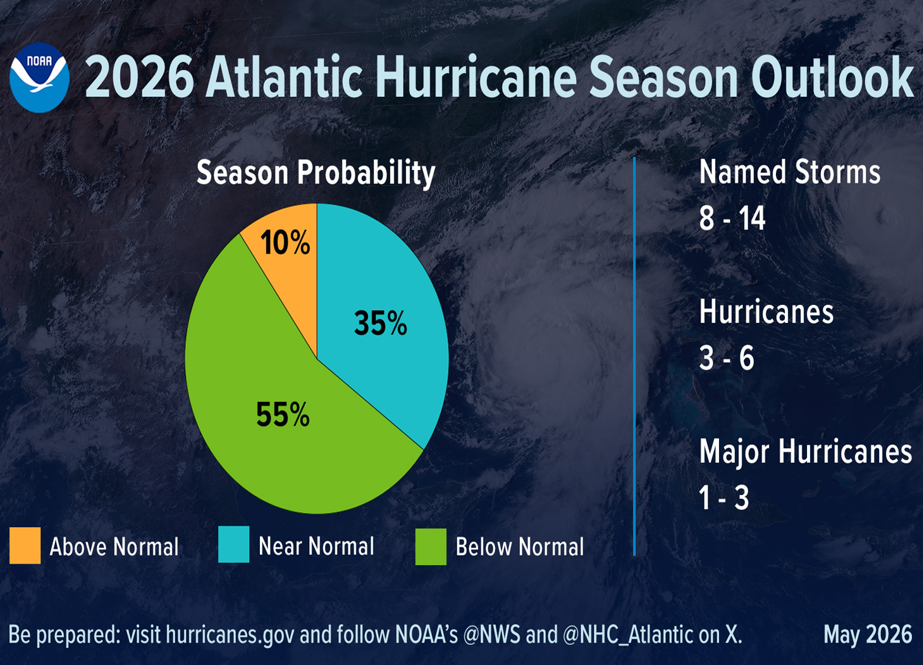
Conversely, warmer waters in the eastern and southern Pacific Basin provide more energy for hurricane formation.  NOAA projects a 55 per cent probability of a below-average hurricane season in Atlantic waters – and only a 10 per cent probability for above-normal hurricane activity.

On a global basis, history shows certain basic El Nino patterns. Largely as a result of warmer global temperatures, expert projections say, while we can’t pinpoint where and how El Nino will affect specific places around the world, we can reasonably expect to see an increase in the extremes created by El Nino. That is, high temperatures may be higher than we might expect, storms more severe, droughts and floods more pronounced.

What does El Nino mean for global agriculture?

El Nino creates an unavoidable risk for U.S. farmers – especially if extreme conditions emerge at critical times in the growing or harvesting seasons across enough of the key commodity producing areas in the Midwest and mid-South. Similarly, a convergence of extreme weather in other key crop-producing countries or regions of the world could combine to create significant supply issues.

But at this early stage of El Nino, it remains impossible to predict with any degree of accuracy where such events may emerge, or how many, or at what times. It’s a wait and see game – understanding the potential risks, calculating the odds of such a convergence of adverse events, and hoping for the best.

Experts at the Food and Agricultural Organization of the United Nations sound the El Nino alarm, especially for many of the most hard-hit parts of our world in terms of food security and food system resiliency. El Nino usually results in warmer conditions for key food producing areas such as Brazil and Australia. But FAO analysis suggests as much as 80 percent of the adverse effects from drought associated with El Nino will fall on low- and middle-income countries around the world.

FAO’s report contains some sobering language:

The findings point to a high probability of agricultural drought across major producing regions during key growing periods, aligning with regional precipitation forecasts showing below-average rainfall in the coming months.

The risks are sharpest in the Sahel, across Southern Africa, in South and Southeast Asia, and in Central America’s Dry Corridor and the Caribbean, where some agricultural and pastureland areas face more than a 50 percent chance of drought over the coming months.

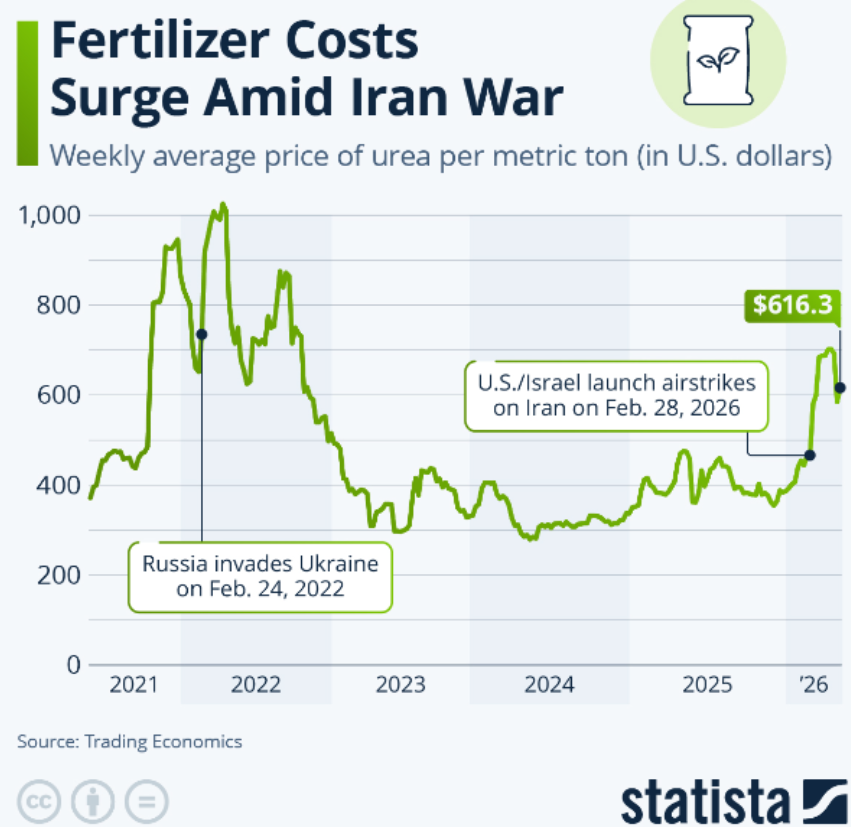
At the same time, disruptions to shipping through the Strait of Hormuz are pushing up energy and fertilizer costs just as farmers prepare for the growing season.

What about the people?

If good news exists for most food consumers, it rests in the sheer scale of our global food system. Atypical and regional or local weather events may influence the spot availability of some food products in advanced economies, with the expected effect on prices and immediate availability. But the sheer scale of our global food system argues for continued adequate food production for human and animal needs.

Just as important, the system’s amazing ability to connect the places where food is needed and wanted with places where it is available remains a major tool for assuring food security in the face of climatic churn. For most of the world, El Nino poses no immediate threat to our overall food security.

That’s not to say food shortages may occur where damage from severe weather is most acute. The greater threat to humanity may be in the risk of the other forms of devastating suffering created by climate extremes. Droughts, floods, intense storms, property damage and other effects of abnormally severe weather conditions risk far more than inconvenience.  They raise the risk of human suffering, from immediate harm from such things as severe floods and storms, as well as the lingering threats of poor nutrition, sickness and disease from localized hunger.

Here are some additional resources:


Protecting Your Plate from Cyclospora

Just when we thought it was safe to enjoy summer picnics and backyard barbecues, a microscopic party-crasher has made its way into the headlines. If you’ve been keeping an eye on the news lately, you’ve probably heard about a rapidly expanding outbreak of a parasitic infection causing some seriously miserable gastrointestinal distress across the country.

The culprit? Cyclospora cayetanensis—a single-celled parasite that gives a whole new meaning to the phrase “stomach bug.”

At Dirt to Dinner, we are all about helping you navigate the food supply with clear facts rather than fear. Let’s break down exactly what’s happening, how this parasite operates, and what you can do to stay healthy.

A Rapid Summer Surge

According to public health departments and tracking data, the summer of 2026 has brought a massive, unexpected surge in cyclosporiasis cases. The outbreak continues to expand rapidly, causing widespread health alerts as health officials trace thousands of cases of severe, prolonged diarrhea.

According to the CDC’s Cyclospora Surveillance Data, cases naturally peak between May and August.

Pinpointing an exact culprit is notoriously difficult because the parasite has a lengthy incubation period, usually taking about a week or more for symptoms to appear after you eat contaminated food.

Federal investigators routinely track case clusters linked to restaurants, grocery chains, and catered events during these seasonal surges. As of this writing, the U.S. Food & Drug Administration reported that the iceberg lettuce supplied to Taco Bell locations in Indiana, Kentucky, Michigan, Ohio, and West Virginia have been linked to the outbreak. Once the lettuce supplier has been confirmed, the FDA will report other food retailers that may be impacted by this contaminated ingredient.

What makes tracing this parasite incredibly complicated is that a single agricultural supplier can distribute different types of produce to multiple competing grocery stores, fast-food chains, and restaurant networks. If contaminated produce was on the shelves a few weeks ago, it likely went to a wide variety of locations rather than one single chain.

But what we do know is that Cyclospora loves to hide in fresh herbs like basil and cilantro, lettuces, pre-packaged salad mixes, raspberries, and berry-fruit blends.

How This Parasite Spreads

First, let’s get something straight: you won’t contract cyclosporiasis from someone else.

If someone in your house catches a typical stomach flu, you immediately start bleaching doorknobs. But Cyclospora is different. According to the CDC’s Clinical Overview, it is highly unlikely to spread directly from person to person.

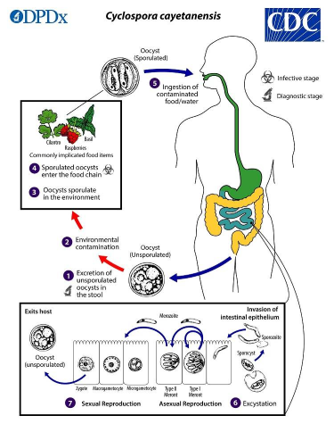
Instead, it spreads through the fecal-oral route, usually via contaminated agricultural water. When feces containing the parasite find their way into irrigation systems or water used to spray crops, the parasite’s eggs (called oocysts) are deposited onto the produce.

Once out in the warm, humid environment of a farm field, these oocysts take several weeks to mature and become infectious. When we eat that produce raw, the parasite hitches a ride into our small intestine, causing weeks of watery, often explosive diarrhea, cramping, bloating, and fatigue.

Who Needs to Be Most Vigilant?

For a healthy adult, Cyclospora is incredibly uncomfortable, often described as feeling full, bloated, and miserable for weeks on end. It eventually resolves itself without medical intervention, but it can take up to six weeks.

However, some of us need to take extra precaution during outbreaks like this. Infants, older adults, pregnant women, and anyone with a compromised immune system face a much higher risk of severe, prolonged illness.

In these sensitive populations, the body cannot easily fight off the parasite on its own. The resulting weeks of relentless diarrhea can cause dangerous, rapid dehydration, imbalances in vital electrolytes, and significant weight loss.

If you or someone you know who’s immunocompromised has a persistent stomach bug that simply won’t quit, see a doctor and specifically request a Cyclospora test, as this parasite goes undetected on standard stool tests. Fortunately, once identified, it can be treated effectively with specific antibiotics.

Best Practices to Reduce Your Risk

When outbreaks happen, the internet fills up with DIY “hacks” to protect your gut. Let’s look at the actual science behind what works and what doesn’t based on official safety standards and the CDC’s Prevention Guidelines:

Here’s what works:

  • Cook Leafy Greens: The absolute surest way to neutralize Cyclospora is heat. The parasite is completely killed when cooked thoroughly, to 158 degrees F. While we love a raw summer salad, switching to cooked greens—like sautéed spinach, kale, or cooked bok choy—completely eliminates the biological risk during an active outbreak.
  • Head to the Freezer Aisle: If you can’t resist your morning smoothie but want to avoid fresh berries during a surge, buy frozen berries instead. Large-scale commercial freezing operations follow rigorous processing safeguards, and while freezing doesn’t completely guarantee eradication of all pathogens like heat does, the intense washing and strict processing standards drastically minimize the likelihood of contamination.
  • Greenhouse-Grown Produce: While not 100% immune to human handling errors, indoor-grown greens are a vastly safer bet during a major water-borne parasite outbreak. These operations work in closed-loop, highly controlled environments, meaning they don’t have to worry about wild animal intrusion, agricultural runoff, or contaminated open-air river water spraying their crops.
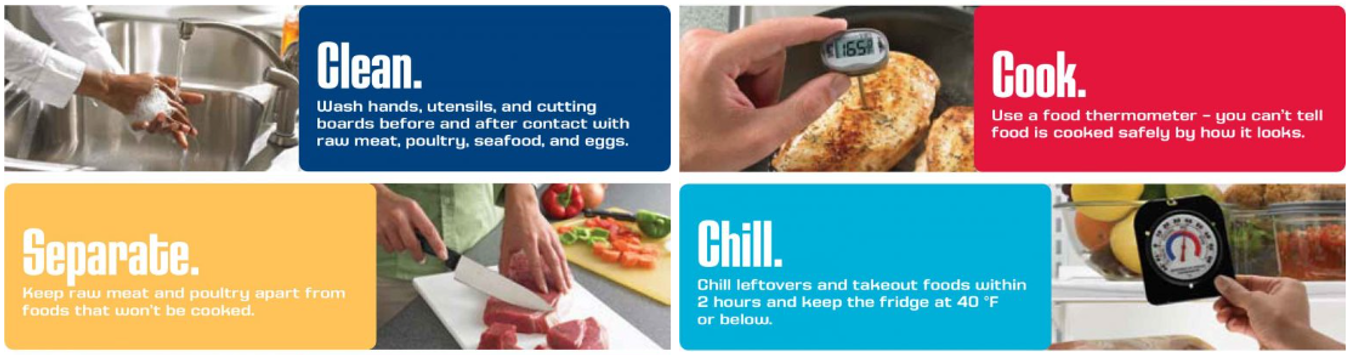
  • Practice Good Food Hygiene: Though it’s not a surefire way to eliminate Cyclospora, proper food prep helps avoid cross-contamination by separating your food items and then washing your hands, utensils, and countertops with hot, soapy water before and after handling fresh produce.
  • Stay Informed: Because Cyclospora outbreaks are intensely tracked by state and federal epidemiologists, check regular updates from FoodSafety.gov’s Recalls & Outbreak Page, download the FoodKeeper App, or subscribe to the FDA Recall Mailing List. If specific brands, pre-packaged salad mixes, or grocery distributors are named or recalled, check your fridge immediately and discard the products.

Less effective practices against Cyclospora:

  • Produce Baths: A major myth circulating online is that soaking your veggies in a vinegar, baking soda, chlorine or bleach solution will “kill” the parasite. But unfortunately, oocysts have a tough, protective outer shell that shrugs these products off. And a quick word of caution: never use a bleach solution for anything other than cleaning hard surfaces.
    • But let’s not toss out the vinegar rinse completely here. Because of its acetic base, vinegar is a reasonably successful agent to reduce surface bacteria and extend shelf life. Just be sure to mix one part vinegar to three parts water to make it effective without affecting taste.
    • And because of its carbonated action, a baking soda soak is great for loosening dirt and washing off pesticide residues. Just use one teaspoon of soda for every 2 cups of water.
  • Shopping at Farmers Markets: We love supporting local agriculture, but shopping at a local farmers market doesn’t automatically mean your food is safer from parasites. Small, local farms use the same open-air fields, soil, and regional irrigation systems as larger operations. If a local farm’s water source is compromised by wildlife or local runoff, their produce can carry the same risks, so aim to buy produce that you’re planning to cook.
  • Buying Domestic Produce: Prior to 2018, almost all identified Cyclospora outbreaks in the U.S. were tied to imported produce, mostly from tropical environments. However, this paradigm changed in 2018, when the National Advisory Committee on Microbiological Criteria for Foods found the majority of heavily investigated, large-scale U.S. outbreaks have been linked to domestically grown crops, specifically pre-packaged leafy greens and domestic vegetable trays.
  • Probiotics and Supplements: While maintaining a healthy microbiome with probiotics is great for overall digestion, they will not prevent or cure a parasite. Cyclospora is a resilient, physical organism, not a bacterial imbalance. If you swallow an active oocyst, a capsule of bacteria or nutrient supplement isn’t going to stop it.

DC Faces Up to Busy Ag Agenda

At Long Last, a Farm Bill.

Well, not really. But we’re getting closer to the comprehensive policy guideline for our nation’s food system.

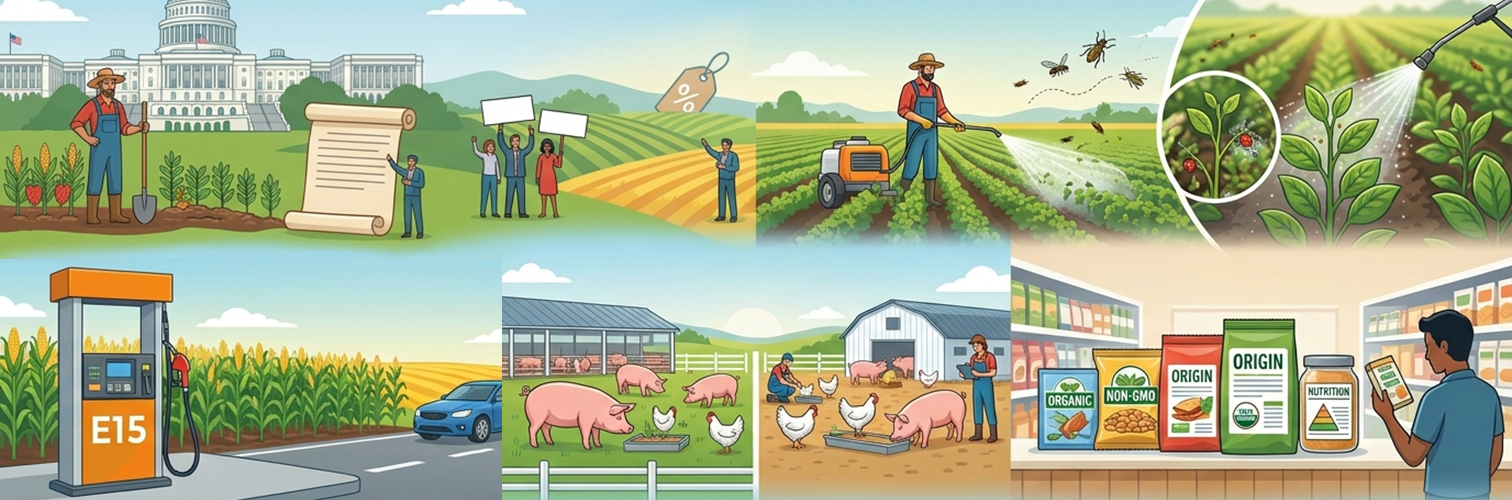
In June, Senate Agriculture Committee Chairman John Boozman (R-Ark.) introduced his chamber’s 900-page version of the farm bill. In many respects, it mirrors the House version of the legislation, passed April 30. But what sets the stage for legislative fun is what’s not in the Senate bill.

Expect to see some lively debate on a number of issues:

Funding for the Supplemental Nutrition Assistance Program (SNAP)

Democrats by and large are unhappy with cuts to the program tied to work requirements and greater reliance on state funding.  Republicans say tougher requirements are needed to control fraud and rein in expanding food-aid costs to the federal treasury.

At $101.7 billion in FY 2025, SNAP expenditures represent as much as 80 per cent of the total farm bill cost.

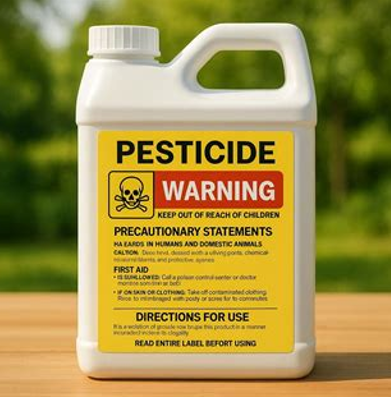
Pesticide labeling requirements

The big debate: should EPA labeling requirements trump state labeling standards. The House version makes EPA the chief decision-maker, arguing for greater consistency across the nation, rather than patchwork of different requirements.

Critics of that reasoning suggest the EPA may not be tough enough to provide the desired level of producer and consumer protection.  The proponents of federal labeling will warn of a “patchwork” of conflicting state requirements, which will inevitably mean higher costs for food manufacturers and retailers that eventually will be passed back to the consumer.
The implications of state standards for shifts in interstate commerce also are likely to emerge – that is, if  products produced under diverse state standards may be marketed in other states.

Global fertilizer supply

USDA ended the first half of the year announcing $500 million in new funding for more domestic fertilizer production.

The money will go to both build new plant and expanding existing ones, USDA said.

In the usual fit of federal government creativity, the initiative is being called the Fertilizer Investment and Expansion for Long Term Domestic Supply – or “FIELDS.”

The largess comes in the wake of a temporary halt to some duties in phosphate fertilizer imported from the Middle East – and in response to surges in fertilizer prices that have bedeviled farms across the United States.

Animal welfare standards

Similarly, the House version would limit the ability of states to impose their own standards for how animals such as breeding sows, calves and poultry are raised and processed – by making those standards apply only to animals produced in that state.


Proponents of the “Save Our Bacon” provision of the House bill (absent in the Senate version) warn that making producers conform to diverse state standards will require significant expenditures to meet some of those state standards – with commensurate pain for farmer income and eventually consumers.

(One Iowa lawmaker estimated that complying with standards set by California alone would cost $4,500 per sow for state hog producers.)

Opponents argue the states should have the right to determine what welfare standards they demand – and producers who don’t agree can sell their product elsewhere. Expect this debate over animal rights and the individual state’s role in interstate commerce to get very lively.

Year-round E15

Also missing in the Senate bill is language that would eliminate the ban on use of  E15 (15 percent ethanol and 85 percent gasoline) from the June 1 – September 15 peak driving season of the year to the full year.

Proponents may elect to try to advance the initiative apart from the farm bill. President Trump also has weighed in with a request to Congress to move quickly on the E15 matter.

…and that’s just a taste of what lies ahead for the long-overdue farm bill.

Why care about any of this?

Only because it represents the fundamental policy platform on which our entire food system is built. If you and your family like to eat, you have a stake in how all this legislative free-for-all plays out.

If you don’t, never mind…

Most of the major farm bill spending issues (such as commodity support rates and crop protection, as well as SNAP) were dealt with last year in the One Big Beautiful Act. But the SNAP debate is far from over, and along with these other issues promises to produce some lively exchanges on the Senate floor, as well as some extensive dull, desultory and arcane floor debate.

Remember, this is one of the largest bills to face the Congress in this or any other year. The Table of Contents alone for the legislation runs 13 full pages.

Expect the debate to continue through much of the remainder of 2026.  Final passage and signature into law before year’s end would be an optimistic expectation.

The Third Branch of Government Weighs In

In a surprising 7-2 ruling, the Supreme Court in June overturned a Missouri court’s ruling awarding damages to users of the prominent and popular RoundUp weedkiller manufactured by the Bayer Corporation.

The plaintiff in the Missouri suit argued that Bayer failed to provide adequate warning on its label about the product’s possible health risks.



The decision found that the Environmental Protection Agency’s determination that Roundup is not a carcinogen pre-empts this claim. Language in the decision was straight-forward in saying the Federal Insecticide, Fungicide and Rodenticide Act (FIFRA) “demand uniformity” and pre-empts state labeling requirements.

Surprisingly enough, Bayer stock prices rose 17 per cent after the decision was announced.  And just as unsurprising, U.S. farmers continue to apply RoundUp on an estimated 298 million acres as a key element of farm productivity and profitability.

Labels, Labels Everywhere?

The Trump Administration has never been known for its reluctance to promote all things American.

So it came as little surprise to anyone when the administration in June launched a new ad campaign for its “Product of USA” labeling program initiated earlier this year by USDA’s Food Safety and Inspection Service (FSIS).

It’s a purely voluntary program, with a number of prominent firms in the food sector – notably many in the beef industry – already on board following the March announcement of the program refinement.

The label can be applied to meat, poultry and egg products that are made from animals that are born, raised and processed in the United States.

The goal: to provide consumers with a transparent assurance that these food products meet exacting federal standards and come from America.

And by the way.…the campaign coincides with closure of one glaring loophole in the initial program that allowed some products – such as beef – to qualify for the label even if it was born and raised outside the United States, as long as it was processed in America.

Other News of Note

Could You Spare an Extra $11 Billion?

President Trump’s latest request to Congress for $87.6 billion in supplemental funding came as no surprise to anyone on Capitol Hill.  Most — $67 billion — covered spending for the Iran war.

But what seemed to escape widespread attention was the $11.1 billion tucked away in the request for “temporary financial aid” for row and specialty crop producers – and another $1.1 billion for Florida farmers hard hit by winter storms. The request falls outside the debate over the pending farm bill.

Welcome to the Fair

The holiday Great American Fair in Washington also included a special White House dinner for a select group of farmers and ranchers, in celebration of their contribution to making America great.  For those who may be counting, that’s 124 days before the November mid-term elections.

Where are All the Farm Workers? 

More and more of them are immigrants working on the H2A visa program, it seems. H2A is a federal program that allows farmers to hire temporary workers from other countries to fill seasonal jobs, when local resources aren’t available. The program has been an invaluable asset to many producers, notably in specialty crops production and the fruit and vegetable sector.

The Trump Administration has taken steps to extend H2A to the dairy industry, a decidedly non-seasonal industry where the lack of available workforce has been a serious problem.  And by the way, the latest stats form our federal government show that the number of certified H2A visas reached 398,0258 in 2025, up 13,354 from the previous year. The 10-year growth in the program: 185 percent.

Goin’ to Kansas City. And Athens. And Urbandale…  

USDA’s on-going reorganization efforts are still unfolding, as the Department recently announced the relocation of 2,600 people from several functions from Washington to sites closer to the actual people they serve. Prominent among the moves is another stab at moving staff from the Economic Research Service to Kansas City, and as many as two-thirds of the Food Safety Inspection Service (FSIS) DC staff to new centers in Athens, Urbandale and “other locations.”

Past efforts at relocation to Kansas City led to some employees refusing to make the move. And once again, the Administration said those who refused this time around once again will be considered “resigned “ or “retired.” The exact language regarding the relocation policy can be found here.

Report from the Farm Field

USDA’s latest reports on crop conditions offered some good news for farmers and the consumers who rely on them. After some rains helped address very dry conditions in key producing areas around the nation, USDA found that 80 percent of the corn crop was in “good or excellent” condition. For soybeans, the good-to-excellent share was 73 percent.

Winter and spring wheat crops  showed improvements from the previous month’s report. The mostly harvested winter wheat crop earned only a 48 percent good or excellent rating – but an improvement over last year’s good-to-excellent figure of only 26 percent.  Spring wheat clocked in at 57 percent in good-to-excellent condition.

Oregon Initiative Petition 28, or The Peace Act

The proposed legislation would expand the animal cruelty laws and ban:  hunting and fishing; animal agriculture; pest control; and scientific research.  Looks like they will be bringing in their food from other states.

Digging In: Tackling Global Food Insecurity


This podcast episode of “Dirt to Dinner: Digging In” features William Nall, an economist and strategic advisor with extensive experience in food security, particularly in developing nations.

For almost 20 years, Nall was a Program & Evaluation Manager at the UN’s World Food Programme, specializing in strategic planning and resource framework onsite in Sudan, Mali, Chad, and the Congo…just to name a few.

Understanding the Complex Causes of Food Insecurity

Food insecurity is a global crisis, with more people suffering from hunger each year. The World Health Organization says that over 2 billion people suffer from moderate or severe food insecurity, with an additional 700 million people going hungry.  According to the World Food Programme, more than 295 million people across 53 countries and territories experienced acute levels of hunger in 2024 – an increase of 13.7 million from 2023.

But food insecurity is not a singular issue; it’s a complex interplay of economics, politics, and climate change. Nall emphasizes that the landscape of food security has drastically shifted over the decades.

Where droughts were once the primary concern, today, factors such as conflict and climate-induced events like unprecedented flooding have taken center stage. For instance, in South Sudan, the scale of flooding has tripled historical records, exacerbating an already dire situation.

Key Factors Contributing to Food Insecurity

  • Economic Disparities: Many regions are experiencing marginalization, leading to feelings of disenfranchisement that foster conflict.
  • Climate Change: Changes in climate patterns are making traditional agricultural practices increasingly unreliable.
  • Political Instability: Ongoing conflicts disrupt local food production and distribution, further aggravating hunger.

Complex Solutions for Lasting Change

Addressing food insecurity requires a multifaceted approach. Nall outlines various strategies that can be employed at different levels:

  • Short-term Responses: Immediate aid such as food distribution can alleviate hunger in crisis situations.
  • Medium-term Strategies: Investing in infrastructure and education is vital. By improving local capabilities, communities can better withstand future crises.
  • Long-term Solutions: Sustainable development practices, including diversifying livelihoods and enhancing food production systems, are essential for building resilience.

The Role of Education and Community Engagement

Education plays a pivotal role in combating food insecurity. In conflict zones like Darfur, communities have prioritized education even amidst turmoil. Local initiatives often continue to push for schooling, demonstrating a collective commitment to future generations.

In many conflict-affected regions, teachers have organized informal schools to ensure education persists despite ongoing challenges. Furthermore, communities actively engage in maintaining educational facilities, showcasing a desire for stability and growth.

Market Dynamics and Local Economies

The dynamics of local markets significantly impact food availability and security. While some regions exhibit strong entrepreneurial spirit, others struggle due to infrastructure challenges. Nall highlights the stark differences between areas like South Sudan, where poor road conditions inhibit market integration, and West Africa, where local vendors thrive even in adverse conditions.

Key Insights on Local Market Dynamics:

  • Market Integration: Effective transportation networks are essential for ensuring that food can be distributed where it’s needed most.
  • Cultural Preferences: Local varieties of crops often remain isolated, limiting their potential reach and economic impact.

The fight against global food insecurity is complex but not insurmountable. By understanding the intricate causes and implementing targeted strategies, we can work towards a world where food security is a reality for all.

Education, community engagement, and robust economic systems are vital in this endeavor.