Source for image: United24 Media
DC Faces Up to Busy Ag Agenda
The Dirt
We’re halfway through 2026, and the food and agricultural scoreboard in our nation’s capital shows some noteworthy hits and misses. Before Congress and the rest of Washington pack it in for the traditional summer break, let’s take a look at what’s been done – and what remains on the docket.
Global Food
DC Faces Up to Busy Ag Agenda
The Dirt
We’re halfway through 2026, and the food and agricultural scoreboard in our nation’s capital shows some noteworthy hits and misses. Before Congress and the rest of Washington pack it in for the traditional summer break, let’s take a look at what’s been done – and what remains on the docket.
At Long Last, a Farm Bill.
Well, not really. But we’re getting closer to the comprehensive policy guideline for our nation’s food system.
In June, Senate Agriculture Committee Chairman John Boozman (R-Ark.) introduced his chamber’s 900-page version of the farm bill. In many respects, it mirrors the House version of the legislation, passed April 30. But what sets the stage for legislative fun is what’s not in the Senate bill.
Expect to see some lively debate on a number of issues:
Funding for the Supplemental Nutrition Assistance Program (SNAP)
Democrats by and large are unhappy with cuts to the program tied to work requirements and greater reliance on state funding. Republicans say tougher requirements are needed to control fraud and rein in expanding food-aid costs to the federal treasury.
At $101.7 billion in FY 2025, SNAP expenditures represent as much as 80 per cent of the total farm bill cost.
Pesticide labeling requirements
The big debate: should EPA labeling requirements trump state labeling standards. The House version makes EPA the chief decision-maker, arguing for greater consistency across the nation, rather than patchwork of different requirements.
 Critics of that reasoning suggest the EPA may not be tough enough to provide the desired level of producer and consumer protection. The proponents of federal labeling will warn of a “patchwork” of conflicting state requirements, which will inevitably mean higher costs for food manufacturers and retailers that eventually will be passed back to the consumer.
The implications of state standards for shifts in interstate commerce also are likely to emerge – that is, if products produced under diverse state standards may be marketed in other states.
Global fertilizer supply
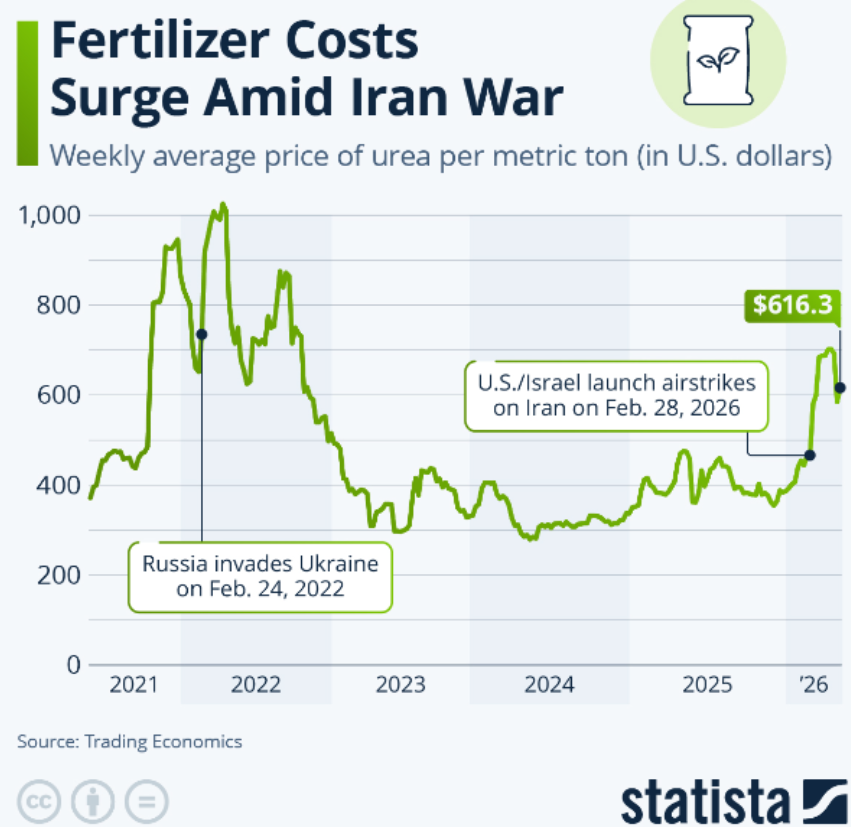
USDA ended the first half of the year announcing $500 million in new funding for more domestic fertilizer production.
The money will go to both build new plant and expanding existing ones, USDA said.
In the usual fit of federal government creativity, the initiative is being called the Fertilizer Investment and Expansion for Long Term Domestic Supply – or “FIELDS.”
The largess comes in the wake of a temporary halt to some duties in phosphate fertilizer imported from the Middle East – and in response to surges in fertilizer prices that have bedeviled farms across the United States.
Animal welfare standards
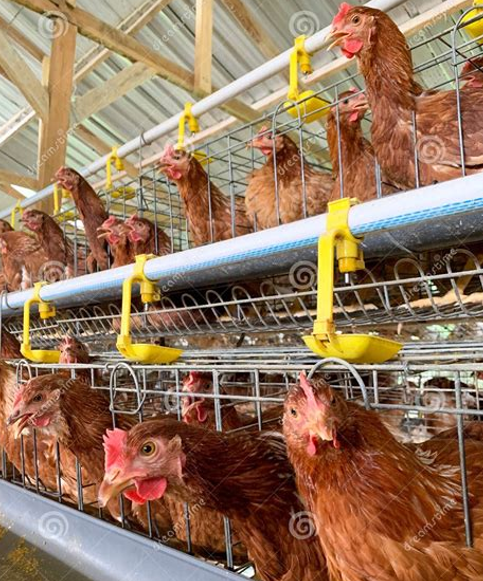 Similarly, the House version would limit the ability of states to impose their own standards for how animals such as breeding sows, calves and poultry are raised and processed – by making those standards apply only to animals produced in that state.
Proponents of the “Save Our Bacon” provision of the House bill (absent in the Senate version) warn that making producers conform to diverse state standards will require significant expenditures to meet some of those state standards – with commensurate pain for farmer income and eventually consumers.
(One Iowa lawmaker estimated that complying with standards set by California alone would cost $4,500 per sow for state hog producers.)
Opponents argue the states should have the right to determine what welfare standards they demand – and producers who don’t agree can sell their product elsewhere. Expect this debate over animal rights and the individual state’s role in interstate commerce to get very lively.
Year-round E15
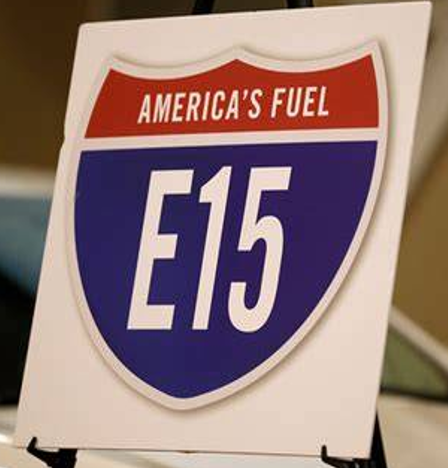
Also missing in the Senate bill is language that would eliminate the ban on use of E15 (15 percent ethanol and 85 percent gasoline) from the June 1 – September 15 peak driving season of the year to the full year.
Proponents may elect to try to advance the initiative apart from the farm bill. President Trump also has weighed in with a request to Congress to move quickly on the E15 matter.
…and that’s just a taste of what lies ahead for the long-overdue farm bill.
Why care about any of this?
Only because it represents the fundamental policy platform on which our entire food system is built. If you and your family like to eat, you have a stake in how all this legislative free-for-all plays out.
If you don’t, never mind…
Most of the major farm bill spending issues (such as commodity support rates and crop protection, as well as SNAP) were dealt with last year in the One Big Beautiful Act. But the SNAP debate is far from over, and along with these other issues promises to produce some lively exchanges on the Senate floor, as well as some extensive dull, desultory and arcane floor debate.
Remember, this is one of the largest bills to face the Congress in this or any other year. The Table of Contents alone for the legislation runs 13 full pages.
Expect the debate to continue through much of the remainder of 2026. Final passage and signature into law before year’s end would be an optimistic expectation.
The Third Branch of Government Weighs In
In a surprising 7-2 ruling, the Supreme Court in June overturned a Missouri court’s ruling awarding damages to users of the prominent and popular RoundUp weedkiller manufactured by the Bayer Corporation.
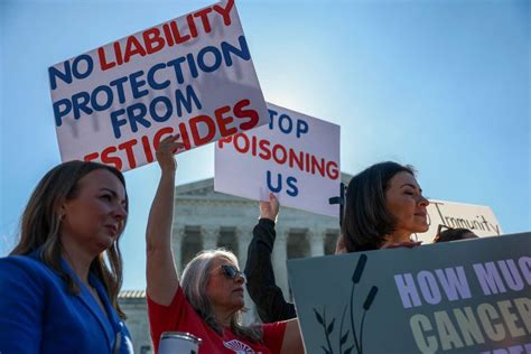 The plaintiff in the Missouri suit argued that Bayer failed to provide adequate warning on its label about the product’s possible health risks.
The decision found that the Environmental Protection Agency’s determination that Roundup is not a carcinogen pre-empts this claim. Language in the decision was straight-forward in saying the Federal Insecticide, Fungicide and Rodenticide Act (FIFRA) “demand uniformity” and pre-empts state labeling requirements.
Surprisingly enough, Bayer stock prices rose 17 per cent after the decision was announced. And just as unsurprising, U.S. farmers continue to apply RoundUp on an estimated 298 million acres as a key element of farm productivity and profitability.
Labels, Labels Everywhere?
The Trump Administration has never been known for its reluctance to promote all things American.
So it came as little surprise to anyone when the administration in June launched a new ad campaign for its “Product of USA” labeling program initiated earlier this year by USDA’s Food Safety and Inspection Service (FSIS).
It’s a purely voluntary program, with a number of prominent firms in the food sector – notably many in the beef industry – already on board following the March announcement of the program refinement.
The label can be applied to meat, poultry and egg products that are made from animals that are born, raised and processed in the United States.
The goal: to provide consumers with a transparent assurance that these food products meet exacting federal standards and come from America.
And by the way.…the campaign coincides with closure of one glaring loophole in the initial program that allowed some products – such as beef – to qualify for the label even if it was born and raised outside the United States, as long as it was processed in America.
Other News of Note
Could You Spare an Extra $11 Billion?
President Trump’s latest request to Congress for $87.6 billion in supplemental funding came as no surprise to anyone on Capitol Hill. Most — $67 billion — covered spending for the Iran war.
But what seemed to escape widespread attention was the $11.1 billion tucked away in the request for “temporary financial aid” for row and specialty crop producers – and another $1.1 billion for Florida farmers hard hit by winter storms. The request falls outside the debate over the pending farm bill.
Welcome to the Fair
The holiday Great American Fair in Washington also included a special White House dinner for a select group of farmers and ranchers, in celebration of their contribution to making America great. For those who may be counting, that’s 124 days before the November mid-term elections.
Where are All the Farm Workers?
More and more of them are immigrants working on the H2A visa program, it seems. H2A is a federal program that allows farmers to hire temporary workers from other countries to fill seasonal jobs, when local resources aren’t available. The program has been an invaluable asset to many producers, notably in specialty crops production and the fruit and vegetable sector.
The Trump Administration has taken steps to extend H2A to the dairy industry, a decidedly non-seasonal industry where the lack of available workforce has been a serious problem. And by the way, the latest stats form our federal government show that the number of certified H2A visas reached 398,0258 in 2025, up 13,354 from the previous year. The 10-year growth in the program: 185 percent.
Goin’ to Kansas City. And Athens. And Urbandale…
USDA’s on-going reorganization efforts are still unfolding, as the Department recently announced the relocation of 2,600 people from several functions from Washington to sites closer to the actual people they serve. Prominent among the moves is another stab at moving staff from the Economic Research Service to Kansas City, and as many as two-thirds of the Food Safety Inspection Service (FSIS) DC staff to new centers in Athens, Urbandale and “other locations.”
Past efforts at relocation to Kansas City led to some employees refusing to make the move. And once again, the Administration said those who refused this time around once again will be considered “resigned “ or “retired.” The exact language regarding the relocation policy can be found here.
Report from the Farm Field
USDA’s latest reports on crop conditions offered some good news for farmers and the consumers who rely on them. After some rains helped address very dry conditions in key producing areas around the nation, USDA found that 80 percent of the corn crop was in “good or excellent” condition. For soybeans, the good-to-excellent share was 73 percent.
Winter and spring wheat crops showed improvements from the previous month’s report. The mostly harvested winter wheat crop earned only a 48 percent good or excellent rating – but an improvement over last year’s good-to-excellent figure of only 26 percent. Spring wheat clocked in at 57 percent in good-to-excellent condition.
Oregon Initiative Petition 28, or The Peace Act
The proposed legislation would expand the animal cruelty laws and ban: hunting and fishing; animal agriculture; pest control; and scientific research. Looks like they will be bringing in their food from other states.
The Bottom Line
Our food and agriculture system never stands still, even in the halls of government Washington policy-makers face an unending series of challenges to maintaining the most productive food system in the history of the world. This year of 2026 is no different, so stay tuned for a continuous stream of important news for Dirt-to-Dinner on what’s happening in your food world today.
Share this article



Listen to the Dirt to Dinner Podcast