
At 10:07 on a Tuesday morning, a student stares at a math problem she understood the night before. She reads the instructions. Then she reads them again. Her attention wanders. Her head hurts. She is tired, impatient, and increasingly frustrated. Is she unprepared? Unmotivated? Distracted by something that happened at home?
Perhaps. But there is another possibility worth considering: her brain may be trying to work without all the materials it needs.
Learning happens in the classroom, but many of its raw materials arrive earlier—on the breakfast plate, in the lunchbox, and at the dinner table. The developing brain requires energy, protein, fats, vitamins, minerals, oxygen, sleep, stimulation, and emotional security.
When nutrition repeatedly falls short, the effects may appear not only on a growth chart but also in attention, memory, mood, behavior, and academic performance.
That does not mean a single missed breakfast causes a failed test, or that one “superfood” can raise a child’s IQ. It means that the growing brain is a living organ under construction—and construction requires the right supplies.
What Malnutrition Looks Like
The word malnutrition often brings to mind a visibly underweight and impoverished child who does not have enough to eat. That is one form of malnutrition, but it is not the only one.
The World Health Organization defines malnutrition as deficiencies, excesses, or imbalances in a person’s intake of energy or nutrients. A child can receive too few calories, too little protein, or too few vitamins and minerals. A child can also consume plenty of calories while eating a diet that provides inadequate amounts of iron, iodine, vitamin B12, zinc, essential fatty acids, and other nutrients.
Imagine that a construction crew receives 10,000 bricks but no wiring, glass, cement, pipes, or lumber. The delivery may be enormous by weight, but the crew still cannot build a functioning school. Calories provide energy. Nutrients help construct and operate the machinery that uses it.
This is sometimes called hidden hunger: a shortage of essential vitamins or minerals that may not be obvious from appearance alone. It can occur in children who are underweight, at an expected weight, or overweight.
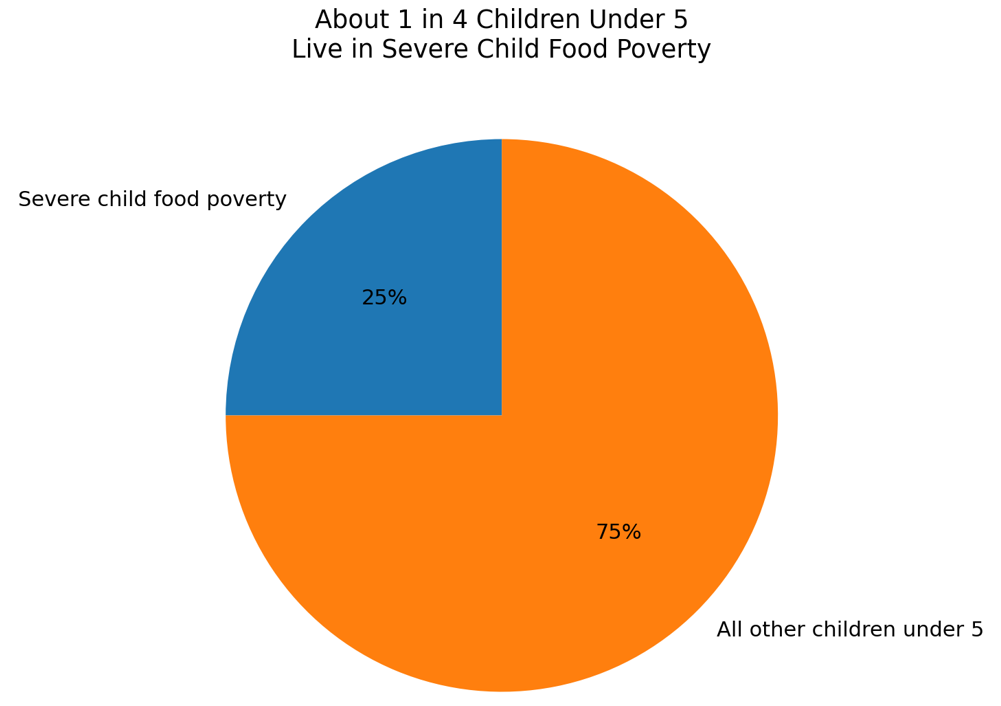
Globally, the problem is enormous. In its 2024 Child Food Poverty report, UNICEF estimated that 181 million children under age five, approximately one in four, were living in severe child food poverty, meaning they regularly consumed foods from no more than two of eight defined food groups.
In the United States alone 1 in 5 children don’t have enough to eat. Many of these do not have access to ANY food over the weekend as their main meals come from school.
These children are at increased risk of malnutrition and threats to healthy growth and development. Importantly, UNICEF found that 54% of these children lived outside the two poorest household wealth groups. Income matters enormously, but it is not the only factor affecting diet quality.
UNICEF estimates that about one in four children under age five live in severe child food poverty.
– UNICEF, 2024
A Young Brain Under Construction
A young brain is both a race car and the factory assembling the race car. It must pay attention, solve problems, regulate emotions, and store memories today, even as it continues building the systems it will use tomorrow.
Throughout childhood and adolescence, the brain forms and refines neural connections. Frequently used pathways are strengthened, while others are pruned. Myelination also continues: nerve fibers become wrapped in a fatty insulating layer that allows signals to travel more efficiently.
The systems responsible for planning, judgment, impulse control, working memory, and emotional regulation continue developing throughout adolescence. The WHO defines adolescence as ages 10 through 19 and describes it as a period of rapid physical, cognitive, and psychosocial development.
Early childhood is an especially sensitive period, but nutrition remains important during the school years. Growth spurts increase nutrient needs. Menstruation increases iron losses. Athletic activity raises energy demands. Meanwhile, adolescents gain more control over what they eat and may begin skipping meals, dieting, eliminating food groups, or relying heavily on convenience foods.
A young person’s brain therefore has two nutritional jobs: funding today’s mental work while investing in tomorrow’s neurological infrastructure.
Food Supplies More Than Fuel
It is tempting to talk about “brain food” as though the brain runs on blueberries or salmon in the same way a car runs on gasoline.
The biology is more complicated.
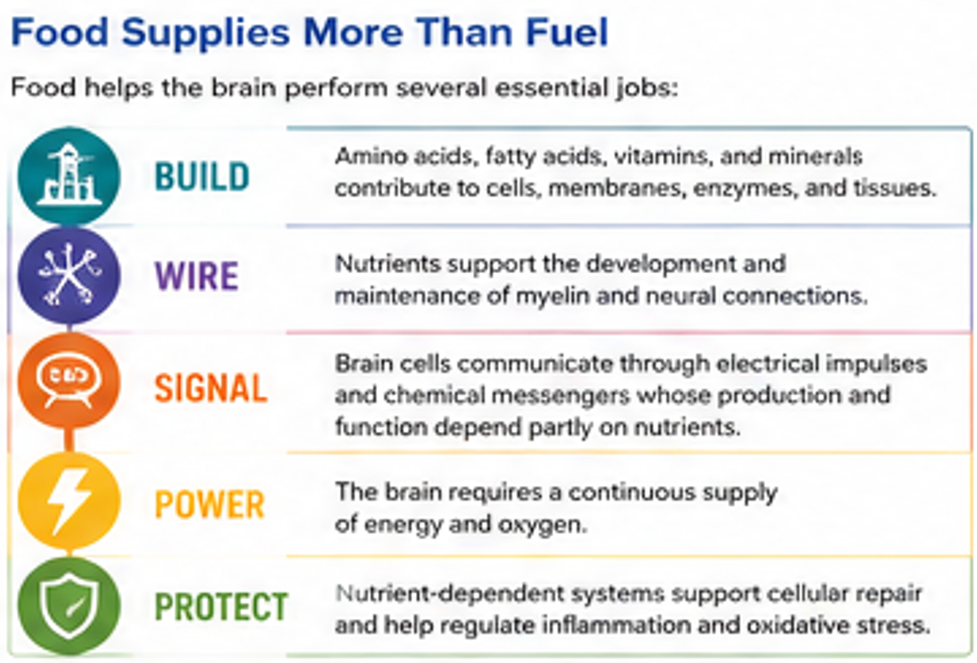
Food helps the brain build cells and tissues, wire neural connections, send chemical signals, generate energy, and protect against cellular stress.
Food supports several overlapping jobs in the developing brain, from building cell membranes to powering neural communication.
The brain’s electrical grid therefore needs more than electricity. It needs wires, insulation, transformers, delivery vehicles, maintenance workers, and a control center. Among the many nutrients involved, iron provides one of the clearest examples of how a nutritional shortage can affect cognition.
Iron: The Brain’s Oxygen-Delivery System
Iron is best known as a component of hemoglobin, the protein in red blood cells that carries oxygen. It also participates in energy metabolism, myelination, and neurotransmitter function. Without adequate iron, the body’s oxygen-delivery fleet cannot operate normally. Even the most sophisticated factory slows when too few delivery trucks arrive.
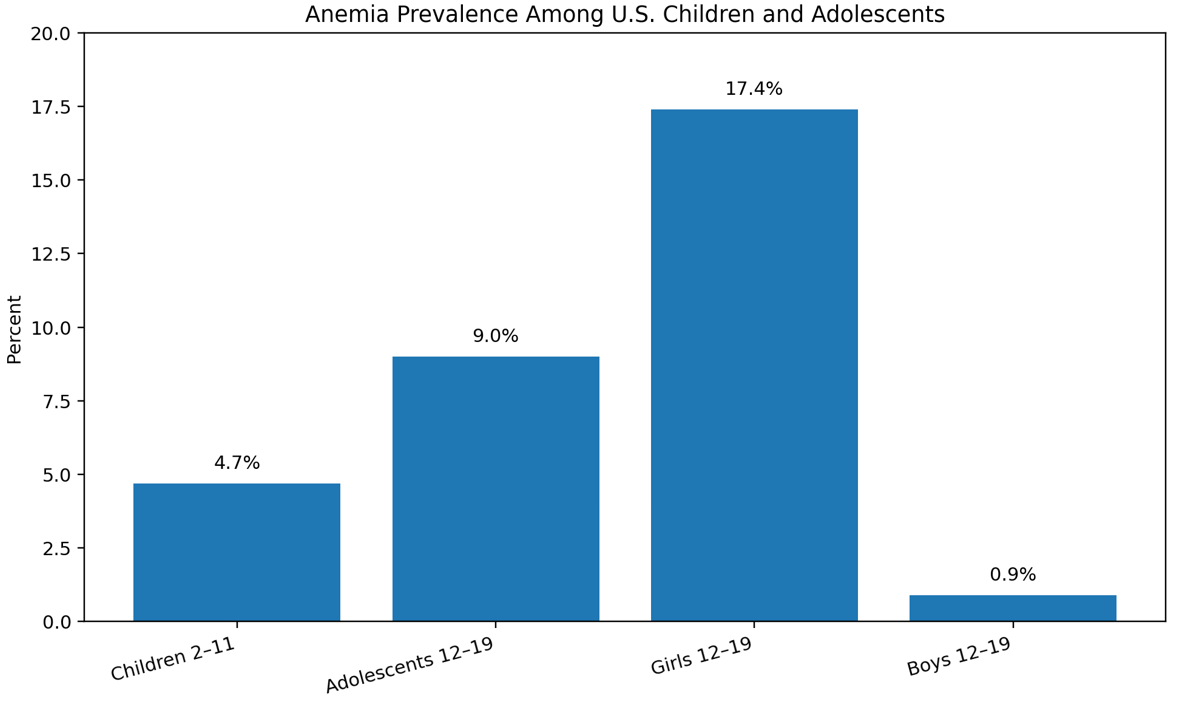
The WHO estimates that anemia affects approximately 40% of children ages 6 to 59 months worldwide. Anemia has several possible causes and should not be treated as interchangeable with iron deficiency, but iron deficiency is a major contributor globally.
What Does the Research Show?
A 2023 systematic review and meta-analysis by Gutema and colleagues examined randomized controlled trials of iron supplementation in school-age children.
 The researchers found significant improvements in intelligence, attention, concentration, and memory, although they did not find sufficient evidence of improved school achievement. Effects varied among studies and should not be interpreted to mean that iron supplements enhance cognition in every child.
A 2022 review by Samson, Fischer, and Roche similarly concluded that iron plays an important role in brain development and cognitive function. However, results differed according to participants’ ages, baseline iron status, the severity and timing of deficiency, inflammation, treatment duration, and the tests used to assess cognition.
The question is not simply, “Does iron make children smarter?”
The more useful question is, “What happens when a developing child does not have enough iron, and can correcting that shortage restore normal function?”
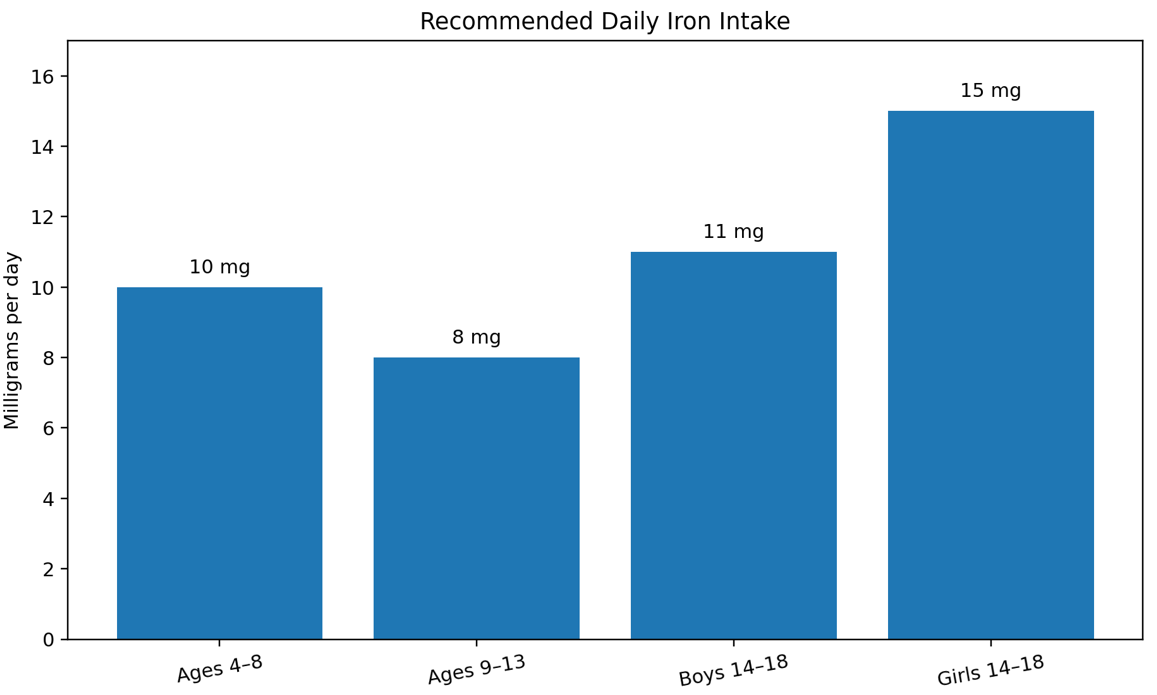
Iron-rich foods include meat, poultry, seafood, beans, lentils, tofu, and fortified cereals. Vitamin C can help the body absorb the nonheme iron found in plant foods.
Iron supplements, however, should not be treated as academic boosters. Excess iron can be dangerous, and fatigue or difficulty concentrating can have many causes. Possible deficiencies should be evaluated by a qualified health professional.
How Might Poor Nutrition Appear in the Classroom?
A nutrient deficiency rarely enters the classroom wearing a name tag.
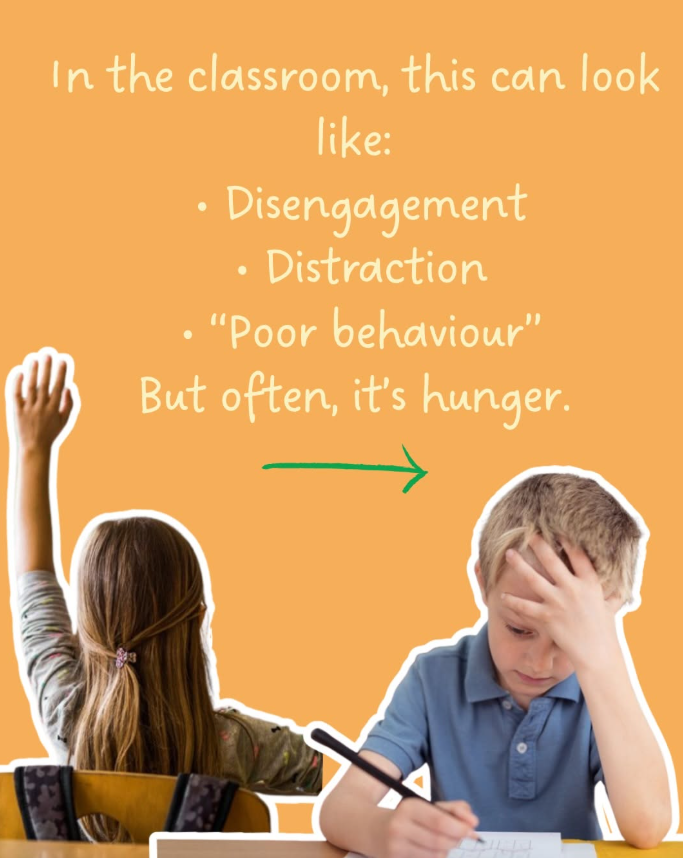 A struggling student does not announce, “My iron stores are low,” or “My diet lacks sufficient variety.” Instead, the difficulty may sound like: “I’m tired.” “I can’t think.” “I forgot.” “This is too hard.” “I don’t care.”
Hunger, fatigue, anemia, and insufficient energy intake can make sustained concentration more difficult. Learning also requires information to be noticed, encoded, consolidated, stored, and later retrieved. Nutrients do not perform these tasks themselves, but they support the cells, signaling systems, and energy metabolism that make them possible.
Executive functions—planning, inhibition, working memory, mental flexibility, and task switching—help students begin assignments, resist distractions, follow multi-step instructions, and change strategies when something is not working. Hunger and fatigue may also contribute to irritability and difficulty regulating emotions.
A 2022 systematic review published in BMJ Global Health examined 30 studies of childhood malnutrition. The authors found strong evidence that malnutrition impairs neurodevelopment and academic achievement. Eight of 11 studies reported an association with impaired cognition, while five of seven identified differences in behavioral assessments. Evidence surrounding mental-health outcomes was more limited and inconsistent.
These findings do not mean that nutritional status alone determines how a child behaves or performs in school. Attention difficulties, forgetfulness, fatigue, and irritability have many possible causes and should never be used to diagnose a nutritional deficiency.
One Missed Lunch Is Not Chronic Malnutrition
A single missed meal can cause hunger, discomfort, irritability, or temporary difficulty concentrating. That is different from a prolonged shortage of energy or nutrients. Forgetting to charge a laptop one evening is inconvenient. Operating it for months with a damaged battery, missing components, and faulty wiring is a much larger problem.
The duration, severity, timing, and type of nutritional inadequacy all matter. A deficiency during a sensitive period of brain development may have different consequences from a brief shortage later in childhood. Mild inadequacy is also different from severe protein-energy malnutrition. This helps explain why nutrition studies do not all produce identical results—and why researchers must be careful when describing cause and effect.
Nutrition Rarely Acts Alone
Scientists cannot ethically assign children to prolonged malnutrition. Much of the evidence therefore comes from observational research, longitudinal studies, natural experiments, and trials designed to correct deficiencies.
Children experiencing poor nutrition may also face poverty, infection, chronic stress, environmental exposures, poor sleep, reduced access to health care, school absence, or fewer educational resources. Each can affect development independently. Nutrition is one instrument in an orchestra. If the music sounds wrong, researchers must determine whether the problem began with the violin, the conductor, the acoustics—or several factors playing together.
Randomized trials that correct nutrient deficiencies can provide stronger evidence. In a systematic review of 19 randomized trials, Lam and Lawlis found that eight of the ten studies measuring fluid intelligence reported significant improvements following micronutrient interventions. Benefits appeared particularly relevant among children who were iron- or iodine-deficient at baseline, while results for other cognitive outcomes were less consistent.
The message is not that vitamin pills make children smarter. It is that correcting a genuine deficiency may allow the brain and body to function more normally.
Feeding the Brain Without Buying “Brain Food”
A brain-supportive diet does not require powders, specialty bars, or expensive wellness products. It begins with variety and regular access to familiar foods:
- Beans, lentils, eggs, meat, poultry, tofu, or fish for protein and minerals
- Milk, yogurt, cheese, or appropriate fortified alternatives for protein and micronutrients
- Whole grains and fortified cereals for energy, vitamins, and minerals
- Fruits and vegetables for vitamin C, folate, potassium, fiber, and other compounds
- Nuts, seeds, avocado, fish, and plant oils for essential fats
- Iodized salt, used appropriately, as a dependable source of iodine
Many nutritious foods are ordinary and relatively economical: beans, peanut butter, eggs, canned fish, lentils, frozen vegetables, potatoes, oats, milk, fortified cereal, and iodized salt.
Variety matters because foods operate more like a team than a collection of solo performers. Vitamin C improves the absorption of plant-based iron. Fat helps the body absorb fat-soluble vitamins. Protein-rich foods frequently deliver iron, zinc, vitamin B12, and other nutrients together. The brain does not read nutrition headlines. It responds to the overall pattern delivered over time.
The Lesson Before the Lesson
Nutrition does not determine a child’s intelligence or future. A well-nourished child may still struggle academically, and a child experiencing food insecurity may be deeply capable, creative, and resilient. But resilience should not be confused with invulnerability.
Research shows that inadequate nutrition can make learning harder by affecting systems that support attention, memory, processing, growth, and emotional regulation. Risks are greatest when deficiencies are severe, begin early, persist over time, or occur during sensitive stages of development.
Better nutrition cannot rewrite every chapter of a child’s development. It can, however, provide better material for the chapters the brain is still writing.
We often imagine that learning begins when a teacher starts speaking or a student opens a textbook. Biologically, the lesson begins earlier. It begins with oxygen reaching the brain, insulation forming around a neuron, a chemical signal crossing a synapse, and the nutrients that make each process possible.
Brain food is not a miracle berry, an expensive supplement, or a perfect breakfast. It is the steady, ordinary work of nourishing a brain that is still being built.

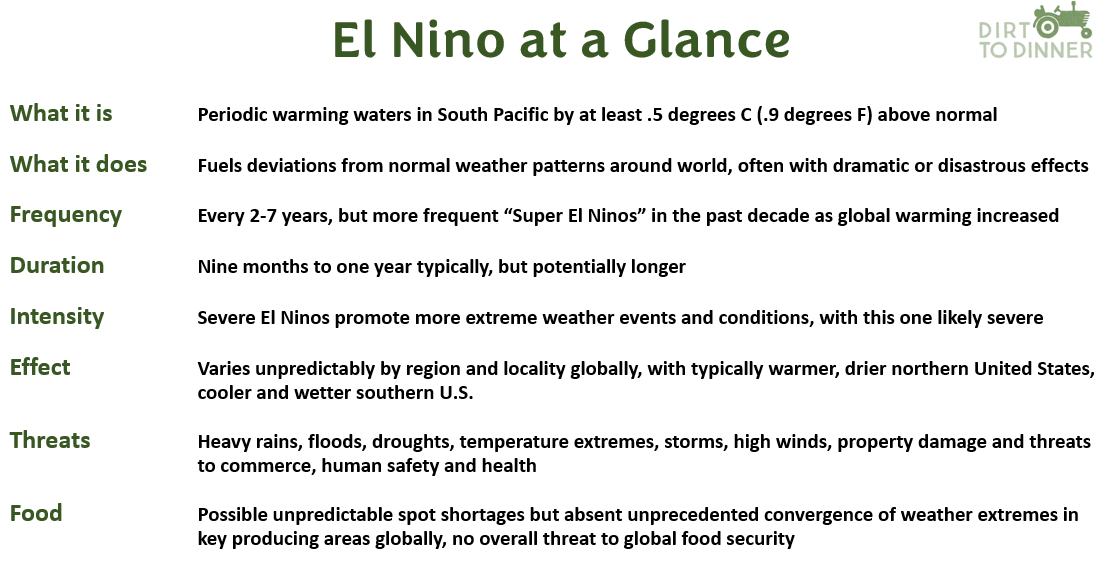
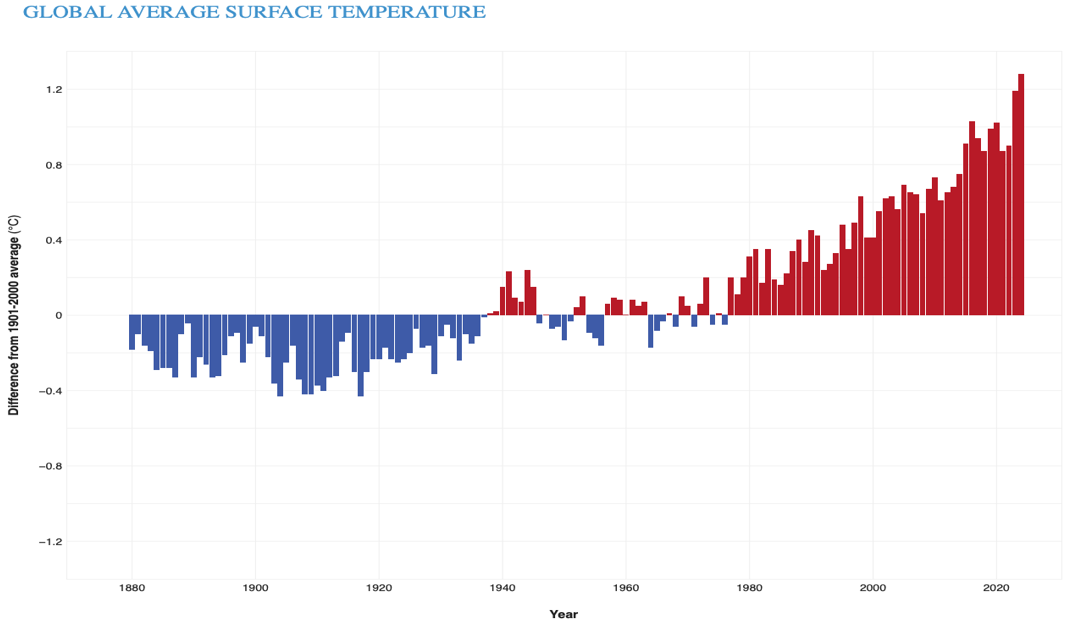

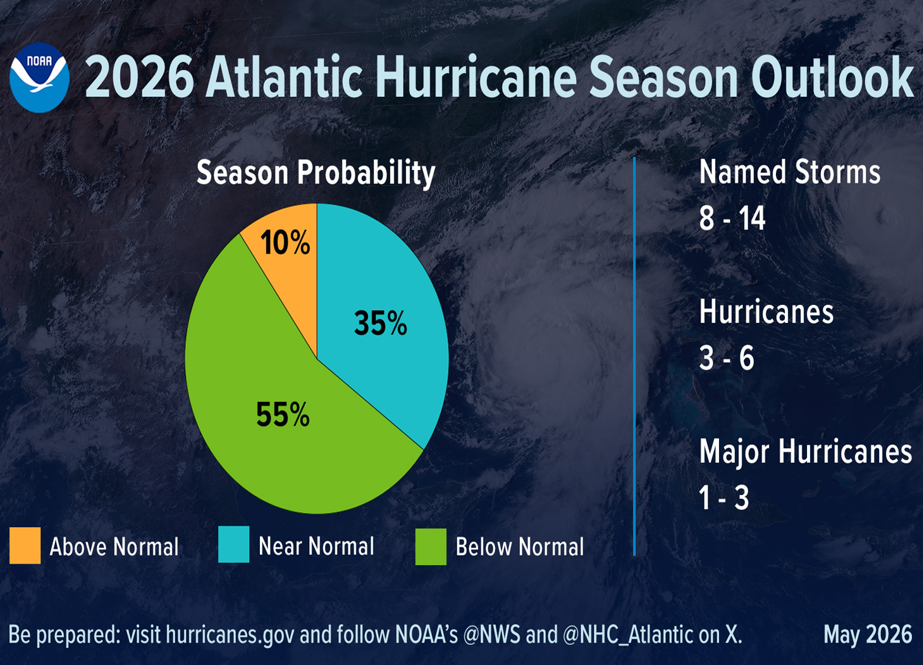 El Nino also has noteworthy effects on hurricane season in both the Atlantic and Pacific Oceans.




 Critics of that reasoning suggest the EPA may not be tough enough to provide the desired level of producer and consumer protection. The proponents of federal labeling will warn of a “patchwork” of conflicting state requirements, which will inevitably mean higher costs for food manufacturers and retailers that eventually will be passed back to the consumer.
 Similarly, the House version would limit the ability of states to impose their own standards for how animals such as breeding sows, calves and poultry are raised and processed – by making those standards apply only to animals produced in that state.
 The plaintiff in the Missouri suit argued that Bayer failed to provide adequate warning on its label about the product’s possible health risks.