The USDA’s Plans for Farm AI
The Dirt
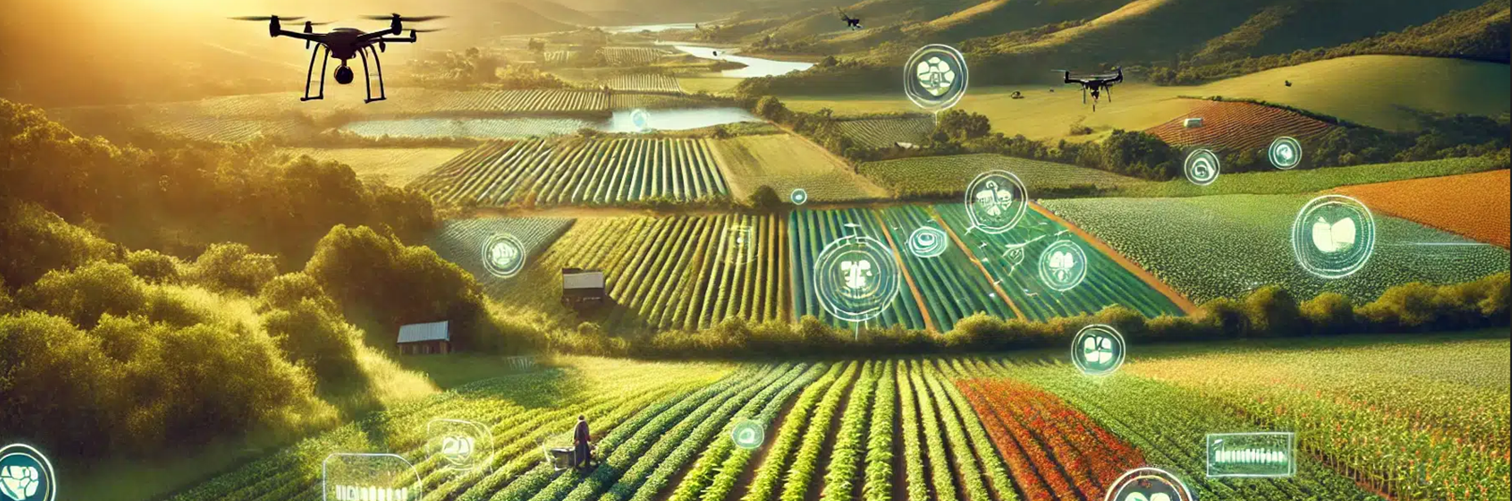
We have already seen how technology is changing the modern farm, from sensors and drones to robotics, precision equipment, and data-driven decision tools. Now, USDA researchers are showing how artificial intelligence may help bring those tools together, helping farmers make faster, more precise decisions about water, seeds, pests, crop quality, and resilience.
Sustainable Agriculture
The USDA’s Plans for Farm AI
The Dirt
We have already seen how technology is changing the modern farm, from sensors and drones to robotics, precision equipment, and data-driven decision tools. Now, USDA researchers are showing how artificial intelligence may help bring those tools together, helping farmers make faster, more precise decisions about water, seeds, pests, crop quality, and resilience.
Whether a farmer uses traditional, organic, or regenerative agriculture means of farming, their goals are all the same. They want the best yield possible with the least amount of fertilizer, pesticides, and herbicides thus protecting their land, air, and water.
For generations, farmers have relied on deep experience, seasonal knowledge, weather patterns, soil conditions, and careful observation to make decisions. They know how a field usually behaves after heavy rain, which areas dry out first, when a crop looks stressed, and how subtle changes in plant growth can signal a bigger issue ahead.
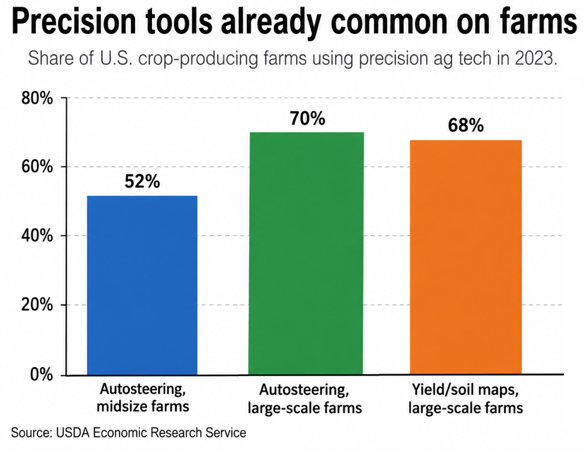 That expertise still sits at the center of farming. But today’s growers are managing more variables than ever before: rising input costs, labor shortages, unpredictable weather, water limitations, pest and disease pressure, and consumer demand for affordable, high-quality food.
At the same time, farms now generate enormous amounts of information through satellite imagery, drones, remote sensing, precision technologies, and crop and soil monitoring tools.
That is why USDA’s recent focus on artificial intelligence is worth paying attention to now.
Prioritizing Responsible AI Use
The U.S. Department of Agriculture has made AI a formal priority in its Fiscal Year 2025–2026 AI Strategy, describing artificial intelligence as a tool to support farmers, ranchers, producers, rural communities, research, food safety, biotechnology, and precision agriculture.
In other words, AI is no longer just a futuristic concept for agriculture – the USDA is actively exploring how it can be used responsibly to support real-world decisions across the food system.
The key word is responsibly. AI is not magic, and it is not a replacement for farmers. It depends on good data, local knowledge, farmer trust, and practical tools that actually work in the field. But when used well, it can help researchers, breeders, and producers sort through huge amounts of information and identify patterns that would be difficult, or even impossible, to see by eye alone.
AI may be new, but the goal is familiar: help farmers read the land more clearly, manage risk more effectively, and make better decisions with the best information available.
Farming Has Always Been About Reading the Signals
Every growing season comes with uncertainty, but farmers are not guessing. They are constantly reading signals: from the soil, the weather, plants, pests, and their own experience.
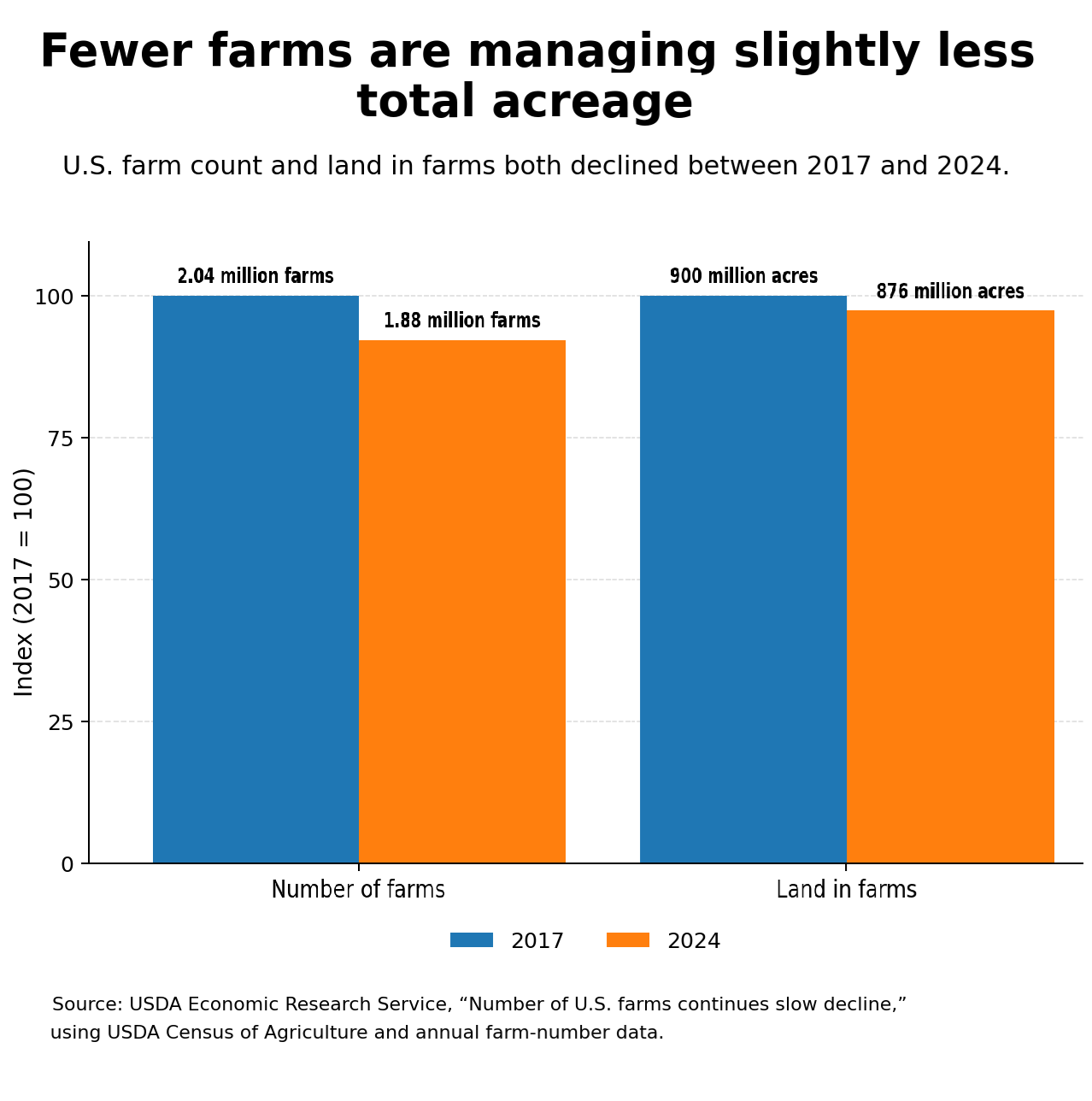 The challenge today is that there are more signals than ever. A farmer may have access to field maps, weather forecasts, moisture readings, drone imagery, yield history, genetic information, and real-time sensor data. Each source can tell part of the story, but no one person can easily process all of it at once.
What AI can add is speed and scale.
Instead of looking at one field note, one weather forecast, or one soil test, AI can help analyze many types of information together. It can compare patterns across fields, seasons, regions, genetics, and environmental conditions.
It can help turn data into a recommendation: water here, watch this area, test this plant line, harvest soon, or investigate that stress signal – it is a real learning tool!
USDA’s Agricultural Research Service (ARS) describes precision agriculture as farming based on observing, measuring, and responding to variability within a field. GPS, sensors, and other digital tools allow farmers to make more targeted decisions in real time. AI builds on that idea.
AI does not replace the farmer’s knowledge of the field; it helps organize the many clues the field is already giving.
Better Seeds, Faster
One of the most promising uses of AI is in plant breeding.
Plant breeders develop crops that can produce higher yields, resist disease, tolerate stress, improve nutrition, or meet quality standards. But breeding is slow, careful work. Researchers must grow and evaluate many plant lines, often across multiple locations and seasons, before they know which ones are truly promising.
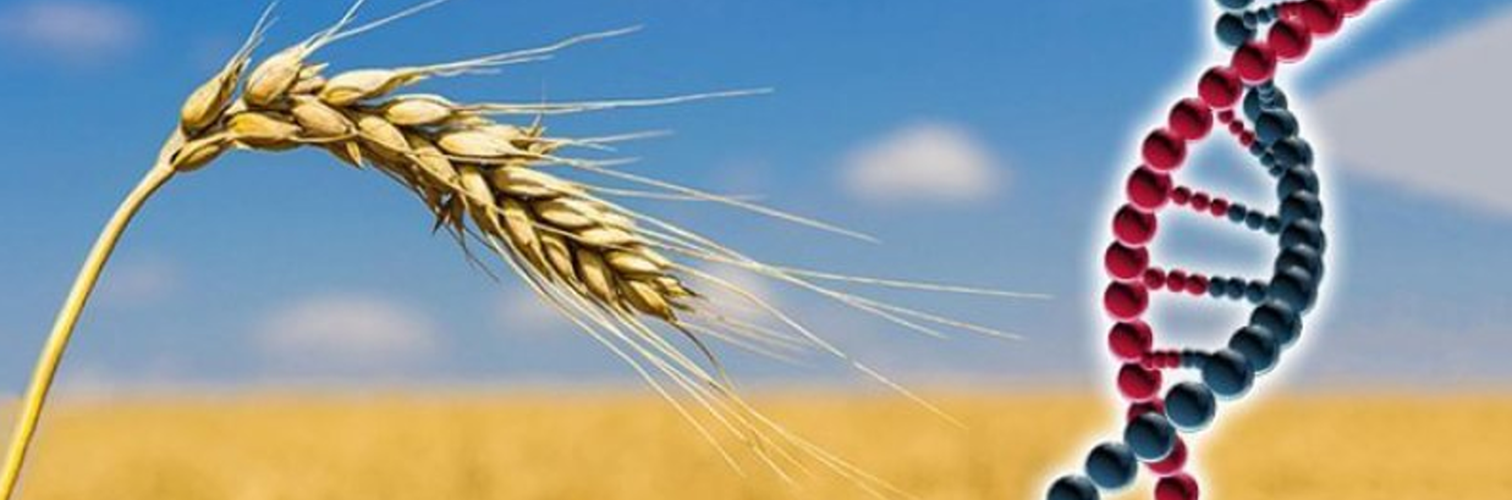
USDA ARS has highlighted AI research focused on improving oats. In a 2026 ARS feature, researchers explained that their goal is to increase “genetic gain,” which means making steady, measurable improvements over time in traits such as yield, disease resistance, nutrition, and quality.
In plain English, breeders are looking for the best parent plants to create the next generation of crops. AI can help by analyzing genetic and field data to identify which plants are most likely to carry the traits farmers need.
That matters because crop challenges are not static. Farmers need varieties that can perform under changing weather patterns, evolving diseases, and different growing conditions. A variety that works well in one region may not work as well in another. A crop that yields well may still be vulnerable to disease. A plant with strong nutrition may not be the easiest to grow profitably.
AI can help researchers evaluate those tradeoffs more efficiently. It can support faster comparisons and better predictions about which plant lines are worth advancing. USDA ARS has also described broader efforts to place advanced AI, genomic, and bioinformatic tools in the hands of crop and animal breeders so they can make better breeding decisions for more nutritious, flavorful, and sustainable U.S.-grown foods.
This does not mean AI creates a perfect crop overnight. Field testing, scientific judgment, and farmer experience still matter. But AI may help shorten the path between identifying a problem and developing a practical solution.
Smarter Irrigation and Better Crop Quality
A great example of a practical application for AI is with helping farmers manage water more precisely.
A recent USDA ARS project focused on wine grape growers. Wine grapes are a useful example because quality depends not only on how much fruit a vineyard produces, but also on how well water is managed. Too much or too little water can influence vine stress, yield, and fruit quality.
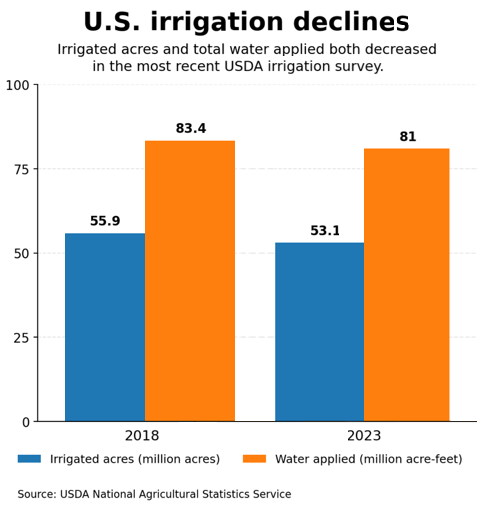 ARS described research using AI and Internet of Things technology to help wine grape growers make irrigation decisions.
Researchers in Kimberly, Idaho developed a decision-support system using low-cost moisture sensors connected to the internet and AI to monitor the Crop Water Stress Index, which helps assess vine water status. The goal is to help growers know when and where to water to optimize conservation and grape quality.
That question is becoming more important as growers face more variable weather and tighter water resources.
In the past, irrigation knowledge was often built over years and passed down through experience. That knowledge still matters. But when weather patterns become less predictable, new tools can help farmers adjust more quickly.
For consumers, this is a reminder that “technology in food” does not always mean something artificial or distant from nature. Sometimes it means using better information to grow a crop with less waste.
Robots and Automation for Labor-Intensive Crops
AI is also connected to automation, especially in specialty crops such as fruits, vegetables, nuts, nursery crops, and spices that often require significant hand labor.
USDA’s National Institute of Food & Agriculture (NIFA) noted in 2026 that specialty crop production faces several pressures, including labor shortages, rising global competition, consumer demand for higher quality, and sustainability concerns. NIFA says properly designed automated technologies can improve efficiency across growing, harvesting, and processing operations.
This is where AI can move from data analysis to action. Cameras, sensors, and machine-learning systems can help machines identify fruit, assess ripeness, guide equipment, detect weeds, or support precision spraying.
ARS has also highlighted agricultural robotics, including a dual-arm harvesting robot for apples that incorporates AI and hardware designed for efficient picking. The agency noted that the robot demonstrated picking speeds of about three seconds per fruit, with potential to approach human picking performance.
The labor story is important. This is not simply about replacing people with machines. Many farm jobs are physically demanding, seasonal, and difficult to fill. Automation may help farms manage labor gaps, reduce repetitive tasks, and make some operations more efficient.
At the same time, agricultural automation creates new needs: people who can manage equipment, interpret data, maintain sensors, repair machines, and understand both agriculture and technology. NIFA has funded AI education and workforce training programs that combine STEM, artificial intelligence, and agricultural science, reflecting the growing need for workers who can operate in both worlds.
The farmworker of the future may still need to understand plants, animals, soil, and weather, but may also need to understand software, sensors, and robotics.
Faster Response to Pests, Disease, and Changing Conditions
AI may also help farmers respond faster to threats.
USDA NIFA has emphasized research priorities that include artificial intelligence and automation to address labor shortages, precision agriculture tools to improve water efficiency and reduce fertilizer and chemical inputs, and decision-support technologies that help producers respond quickly to changing markets and growing conditions.
This is one of AI’s most important agricultural roles: decision support.
A farmer may not need AI to tell them that a field is in trouble once the damage is obvious. The value is catching signals earlier. A model might detect a subtle pattern in plant color, temperature, moisture, growth, or disease spread before the problem becomes widespread.
That could help farmers act sooner and more precisely. Instead of treating an entire field, a farmer might be able to target a specific area. Instead of reacting after a severe pest outbreak, they may be able to intervene earlier. Instead of applying water or fertilizer uniformly, they may be able to apply it where it is needed most.
The Reality Check: AI Is Only as Good as Its Data
As promising as AI may be, it comes with real limitations.
A model trained on poor data can make poor recommendations. A tool that works in one crop, climate, or region may not work elsewhere. A system that is too expensive or complicated may be out of reach for many farmers. A recommendation that does not account for local conditions may be ignored, and rightly so.
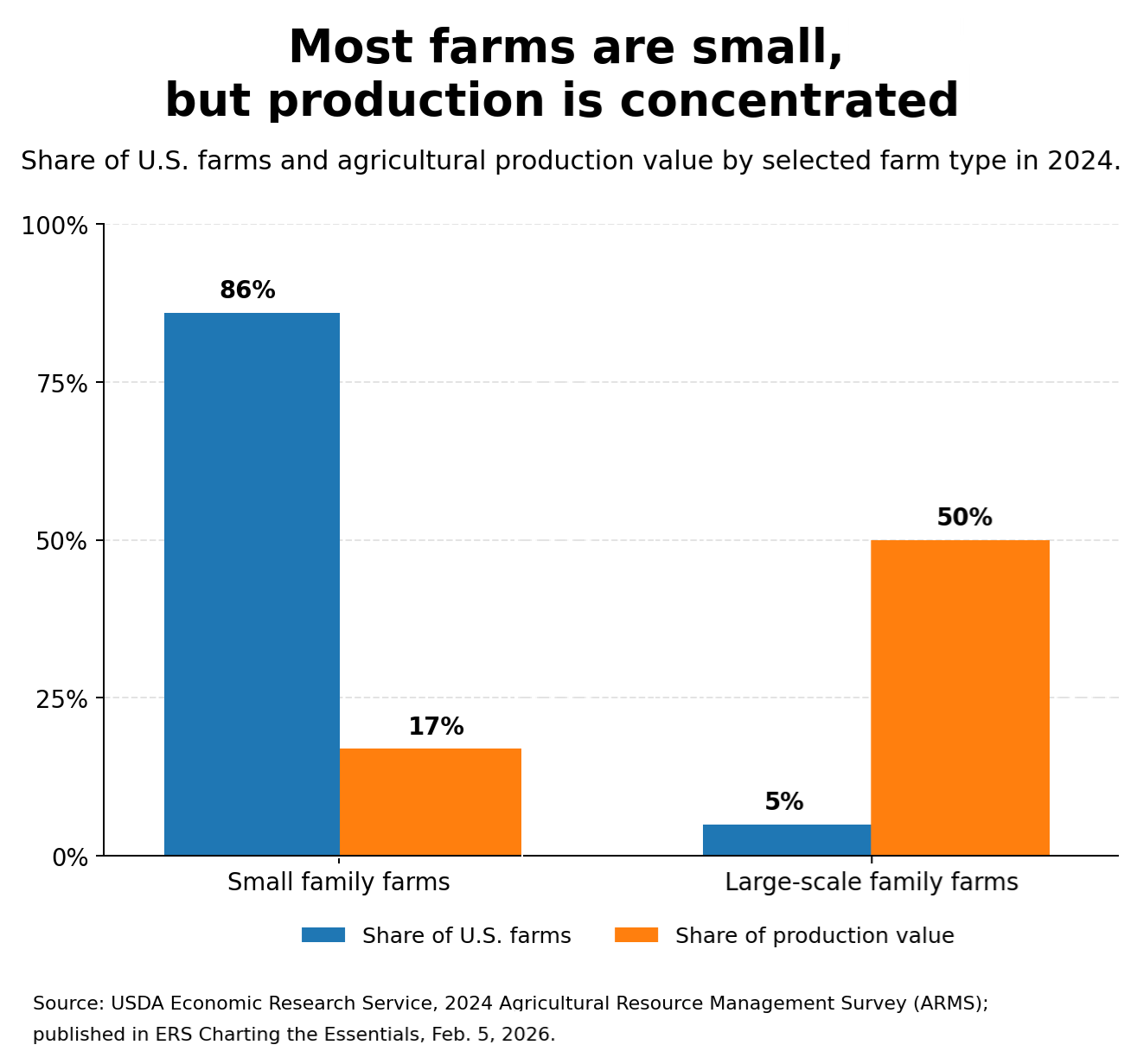 There are also broader questions about broadband access, data ownership, cybersecurity, transparency, and trust. Farmers need to know how recommendations are being made, who has access to their data, and whether a tool will improve their operation enough to justify the cost.
USDA’s AI Strategy acknowledges the need for responsible AI use, governance, innovation, and mission-focused adoption. That balance matters. Agriculture does not need technology for technology’s sake. It needs tools that solve real problems.
The best AI systems in agriculture will likely be the ones that work with farmers, not around them.
The Future Farmer
Artificial intelligence is not replacing the farmer’s eye, judgment, or experience. It is helping farmers and researchers make sense of more information than ever before, from genetics and soil to weather and crop quality. Future farmers will still walk fields. They will still notice things a sensor might miss. They will still make judgment calls based on experience, risk tolerance, and local knowledge. But they may also use AI tools to see patterns across thousands of data points, compare conditions over time, and make decisions with more confidence.
The future of farming may be high-tech, but its goal is still very old-fashioned: grow good food, manage risk, protect resources, and keep farms productive for the next generation.
Takeaways:
- AI is a decision-support tool, not a replacement for farmers. Farmers’ deep knowledge of their land, local conditions, and seasonal patterns remains central — AI helps them process more information faster, detect early warning signals, and make more targeted decisions about water, pests, seeds, and harvest timing.
- USDA is actively investing in responsible AI adoption across agriculture. Practical applications already underway include AI-assisted plant breeding to accelerate genetic gain in crops like oats, IoT-connected irrigation systems for wine grape growers, and AI-guided robotics for specialty crop harvesting — signaling that AI in agriculture is moving from concept to real-world deployment.
AI’s value depends on data quality, access, and trust — and real limitations remain. The article does a nice job reminding us that a model trained on poor data produces poor recommendations, that tools may not transfer across crops or regions, and that cost and complexity can put systems out of reach for many farmers.
What Does This Means for Food Shoppers?
Most of us will never see AI at work on the farm. There may not be a grocery label that says “grown with artificial intelligence.” But behind the scenes, AI could influence many parts of the food system.
Seed varieties, irrigation, crop monitoring, pest detection, labor shortages, and harvest timing are just a few of the developments AI can help the farmer.
For consumers, the point is not that food is becoming less natural. The point is that food production is becoming more informed. A farmer still has to know the land. A breeder still has to understand plants. A researcher still has to ask the right questions. AI cannot replace that human expertise. But it can help people make sense of more information than ever before.
The Bottom Line
AI on the farm is about helping farmers, researchers, and breeders make faster, more precise, and more informed decisions. Used responsibly, artificial intelligence could help agriculture become more resilient, efficient, and responsive, while keeping human expertise at the center of the food system.
Share this article



Listen to the Dirt to Dinner Podcast