What Changes for Food & Ag After Our Elections?
The Dirt
Voters said they want action on the rising cost of living. A new Congress will respond – in its own fashion. But don’t expect fast relief at the grocery check-out counter.
Global Food
What Changes for Food & Ag After Our Elections?
The Dirt
Voters said they want action on the rising cost of living. A new Congress will respond – in its own fashion. But don’t expect fast relief at the grocery check-out counter.
The Key Take-Aways:
- Look for fast action on bringing the cost of energy down, mainly by resolving the war in the Middle East.
- The ag agenda in Congress will likely include a revisit of SNAP, and such items as some form of fast financial help for farmers and ranchers, a review of market competition, even revisitation of funding for green initiatives.
- Relief at the grocery check-out will be a very complicated task with no likely short-term significant relief.
Gazing Into My Own Crystal Ball
I was having breakfast at the local roadside dinner last Thursday when my neighbor asked how the momentous national election results would play out for me personally.
Darn good question, I thought, as I contemplated my over-easies and hash browns. How will it affect what I write for Dirt to Dinner?
The short answer is easy: darned if I can predict.
It will be whole new ball game on Capitol Hill and in DC, that’s for sure. Entirely new leadership in the House and Senate, with a very different set of ideas and priorities. A lot of potential conflict with the other end of Pennsylvania Avenue. New committee chairs for the Agriculture Committee, and all the other congressional bodies that have a say in our food policies and programs. A decidedly different and unhappy electorate of short-fused people fed up (a food play on words there) with an exploding cost of living.
The whole process was messed up enough before the election to defy predictions of any kind.
Anybody who tells you confidently what is going to happen – especially on matters related to food and agriculture – probably has a really great time-share opportunity or you, too.
But that doesn’t mean I can’t look ahead with certain expectations. Let’s just hope enough of the members who convene January 3, 2027, for the 120th United States Congress can put aside enough of the partisan get-even politics to focus on things that the voters said really matter.
What Did I Hear Voters Say?
To me, voters first and foremost said they want action to address the economic squeeze facing virtually every segment of our society.
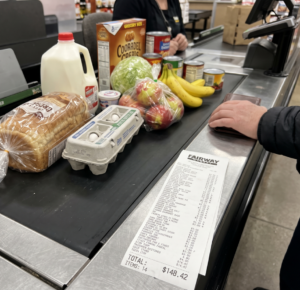 I believe elected officials are smart enough to recognize that message, and I fully expect them to couch every action they take under the guise of “helping the average person deal with the exploding cost of living.”
In real terms, that suggests we’ll see a lot of fast and highly publicized attention to dealing with the matters with greatest potential for fastest positive economic results.
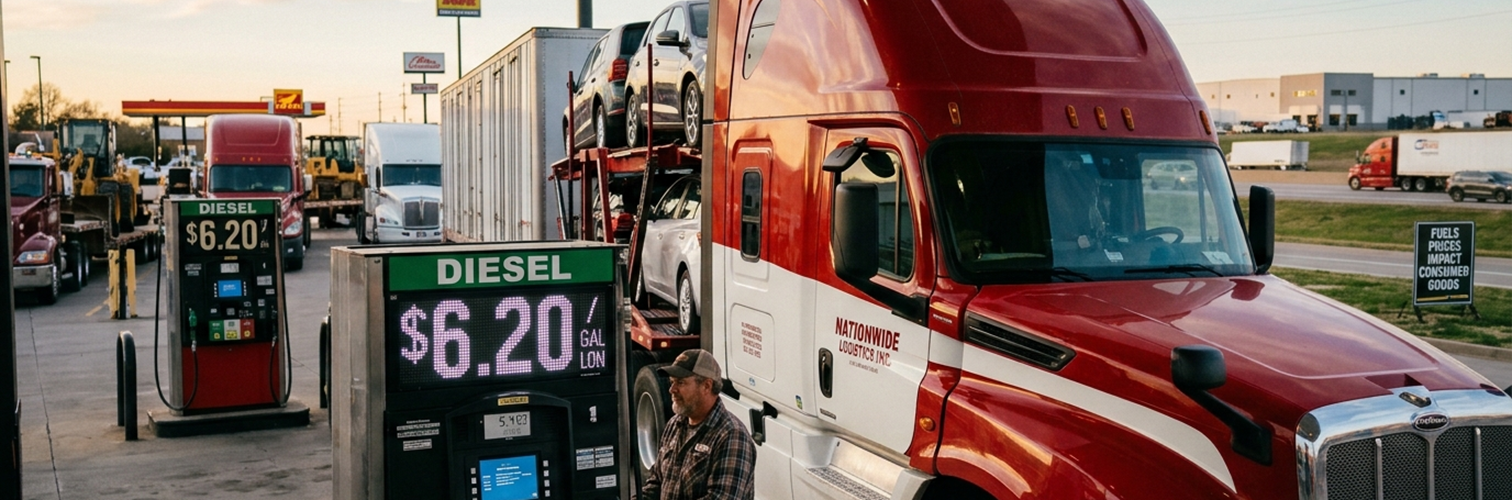
I expect to see a lot of energy spent in looking at ways to unwind U.S. involvement in the Mideast conflict. Partly it will be to reduce the on-going cost of the conflict to taxpayers – about $48 billion, as I click these keys. Maybe more important, it will be the key to re-opening the flow of petroleum through the Strait of Hormuz and bringing global oil prices back down to something like pre-war levels.
That alone would have enormous positive effect in dealing with inflationary aspects of higher energy costs for everyone. Farmers stand to improve their returns when fertilizer and fuel prices drop. Consumers stand to gain – eventually – when those lower costs ripple through the food chain.
As Hamlet said, it is a consummation devoutly to be wished. Let’s just hope Congress and the Administration have some familiarity with the Bard.
But after watching six farm bills – no, maybe it’s seven? – I realize that as important as that step would be, there’s more that is likely to be done. The farm-bill debate every few years taught me how the economics of food and agriculture are interlinked with everything else economic and political. So I fully expect much of it also will be billed as “dealing with the economic troubles of the average person.”
The complication, I suspect, will be less over the objectives than the policy means needed to achieve them. In short, there’s a lot of room for continuing political haranguing. Just think about a few of the likely subjects that the Agriculture Committees – as well as a lot of other committees in both the House and Senate — will be asked to address.

What Would I Place on the Capitol Hill Agenda?
Tariff policy
Expect animated debate on this one. Do we take a less aggressive approach to the tariff issue – or somehow admit that they have been a contributor to the price increase facing at least some segments of our economy?
For example, think about what happens when a congressional committee convenes to ask a simple question like “Do the economic needs of something like the auto industry outweigh the economic interest of farmers, ranchers and food consumers?” With Democrats at the controls, expect different kind of debate than we’ve seen over the past two years.
Democrats are likely to attack tariffs as inflationary. The Administration has remained firm in its belief that tariff income is an important source of federal funds – and a key bargaining tool in the President’s attempts to redirect U.S. foreign policy.
The long-overdue Farm Bill
After intensive wrangling, a proposed new Farm Bill died on the vine in 2026 as the partisan wrangling continued. That debate will return. But with Democrats in charge, expect a slightly different emphasis and framing of the key questions.
For Democrats, the Supplemental Nutrition Assistance Program (SNAP) will likely be front and center in the debate. Should we reverse Administration efforts to cut SNAP costs and restore funding and liberalize qualification programs? Wouldn’t that help a great many of the families struggling with the rising cost of feeding a family?
The additional of many more liberally minded members of Congress will prompt more aggressive pursuit of revisions. How the Administration responds to this push to the left so far hasn’t been indicated. President Trump has shown no enthusiasm for softening his drive to make SNAP less costly and more focused on those in true need of food assistance.
Restore and ramp up green initiatives
Should we expand conservation and other green programs to provide quick cash help for farmers while advancing our green objectives? Do crop insurance programs need to be revisited?
Many of the progressives elected to the new Congress can be expected to try to restore various green initiatives, with the rising debate over AI data centers only adding to the fun. The Administration can be expected to defend new investment in technology rather than what the right sees as “wasteful’ spending on ineffective green programs.
Competition in the marketplace
Would efforts to stop or reverse consolidation in key sectors such as the protein industry – notably beef — help ranchers earn more and temper the cost of protein for hungry families?
A more liberal Congress is much more likely to embrace the calls for some form of action to stop further consolidation of key sectors, notably in the food sector. Beef almost certainly will be a prime target for attention, with hearings that give ample time to the point of view of industry critics. Having many new members of Congress who lack extensive experience in the complex world of food policy may make the ride ever bumpier for conservatives who favor a more sober assessment of how best to preserve food-sector competitiveness.
Grocery Costs and Political Spin
The political problem with all these matters, of course, is the cold hard reality that none will have an immediate major effect on what consumers have to fork over (hah hah… fork over… get it?) at the grocery store. It will take time for all this to work its way through a big, complex food chain in which decisions are required today for things that are delivered or hit the shelves weeks or months from now.
That’s just a quick final cup-of-coffee reflection on what might happen in 2027 between our new Congress and the Administration. In the coming weeks, I expect to see a lot more put on the table for attention, all in the name of helping the consumer with the cost of living. And I fully expect the political spin-doctors working overtime to explain why any particular proposed action is the best and maybe only possible way of dealing with the concerns voters so eloquently expressed on November 3.
The Bottom Line
Yup, the tenor of the congressional debate will reflect a new Democrat perspective. Food and ag won’t be immune to any of this, and energy costs are likely an early target for action. But stay tuned to Dirt to Dinner. There’s no doubt a whole lot more to come.
Share this article



Listen to the Dirt to Dinner Podcast