
At just 17, Gabe Mitchell is building a vertically integrated beef business, raising cattle from birth to butcher, and selling safe, USDA-inspected custom beef directly to families in his community.
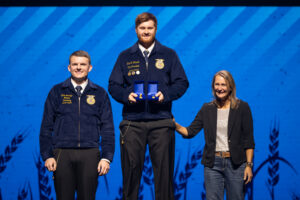
His story is a masterclass in resilience, stewardship, and agricultural grit.
“I was lucky to be born into the agriculture industry,” Gabe tells us. Raised on his family’s Trenton, Florida cattle farm, agriculture wasn’t just a job—it was a way of life.
His earliest memories are of feeding hay, checking water troughs, and helping with fence repairs alongside his parents, both multigenerational farmers themselves.
But his interest didn’t stop at tradition. Over time, Gabe found his own rhythm in the industry. “I can’t imagine not having cattle,” he says. “It’s just part of who I am.”
From County Fair to Custom Beef Sales
Gabe’s FFA supervised agricultural experience (SAE) began in 2017 with daily chores and gradually evolved into a full-fledged business.
What started as a local show steer project at the county fair has since morphed into a custom beef enterprise—offering USDA-inspected, traceable beef directly to Florida families who want to know where their food comes from.
“The turning point came when I realized buyers at the fair couldn’t actually take home the meat from the steers they supported,” Gabe recalls. “Once the fair allowed us to buy back our own animals, I saw a real opportunity. I started feeding out steers from my herd specifically for custom beef.”
As a young entrepreneur, one of Gabe’s biggest challenges was earning credibility.
“I had to prove to experienced ranchers that my bulls and heifers had solid genetics and longevity,” he explains. “At first, I was nervous talking to buyers. But after a few years and some strong production records, I gained their trust.”
He also faced the usual hurdles of weather, feed costs, and market unpredictability—but leaned on what he calls his “SAE mindset” to adapt and stay focused.
Once Gabe found his footing, word of mouth spread fast. Within a year, he no longer struggled to find buyers. Today, Gabe manages every step—from breeding and artificial insemination to feed, health, and final USDA harvest.
Safe, Wholesome Beef, from Start to Finish
One of Gabe’s greatest assets? His meticulous attention to detail.
“I’ve learned how critical recordkeeping is in evaluating animals for breeding readiness,” he explains. “You have to track ages, maturity rates, and structural soundness—especially if you want bulls to last in the field and keep your calving window tight.”
He’s also adopted cutting-edge tools like Expected Progeny Differences to track and improve herd genetics. He regularly uses artificial insemination with sexed semen to strategically increase the number of bull calves he can raise for beef sales.
In a market saturated with labels and claims, Gabe knows trust is everything.
“I make sure my customers are confident in the beef I raise,” he says. Gabe is Beef Quality Assurance (BQA) certified and has renewed the training multiple times to stay current. “It covers everything from administering vaccines correctly to biosecurity protocols.”
When asked what a typical day looks like, Gabe laughs: “There isn’t one.”
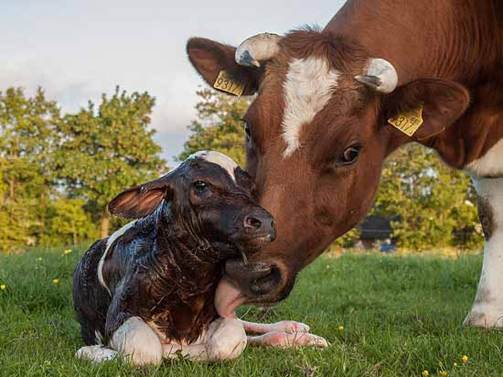 His calendar revolves around the rhythm of the seasons:
- Fall: Calving season begins; newborns are tagged and tracked.
- Winter: Hay and molasses supplement feed; cows are prepped for breeding.
- Spring: Vaccinations, fly control, and weaning; some calves begin creep-feeding.
- Summer: Hay baling, equipment maintenance, and prepping the next herd for market.
But no matter the season, his steers are fed twice daily and closely monitored for health, feed efficiency, and weight gain. All steers are finished on-farm and processed under full USDA inspection, ensuring both safety and traceability.
Family, Mentorship, and the Next Generation
Behind Gabe’s success stands a strong network of mentors—starting with his parents.
“They gave me land, equipment, and access to transportation before I could even drive,” he says. “I worked for it, but I never would’ve had the opportunity without them.”
Gabe also credits his FFA advisors. His middle school advisor, Mrs. Rucker, “made FFA fun,” while his high school advisor—his mom—encouraged him to pursue awards, team competitions, and officer roles that built his confidence and sharpened his business skills.
“Do something you love or are interested in. Don’t be afraid to make mistakes, to ask for help, or to change your SAE. You’ll grow along the way—but the support of your family or ag teacher is key.”
A Welded Future: From Cattle to Custom Fabrication
Gabe’s hands-on experience has sparked another entrepreneurial passion: welding and fabrication. He’s currently working full-time with Lee Mechanical to hone his craft and plans to enroll in a technical college this spring to earn welding certifications and a CDL license.
“My goal is to open my own welding and fabrication business,” he says, “especially focused on designing livestock equipment for local farms.”
But his ties to beef production aren’t going anywhere. “I’ll always keep a small herd and continue raising custom beef.”
Gabe Mitchell is more than a rancher—he’s a rising force in American agriculture. By blending old-school work ethic with modern business savvy, Gabe is proving that the future of food is local, transparent, and proudly youth-led. Whether he’s raising a steer or welding a custom cattle chute, he’s helping build a food system rooted in trust, skill, and stewardship.
And for Florida families who want beef with a story behind it—he’s got them covered.
 In 2021, his parents took a decisive leap: they purchased a local processing facility along with the surrounding farmland. That acquisition became the foundation for Blake’s future.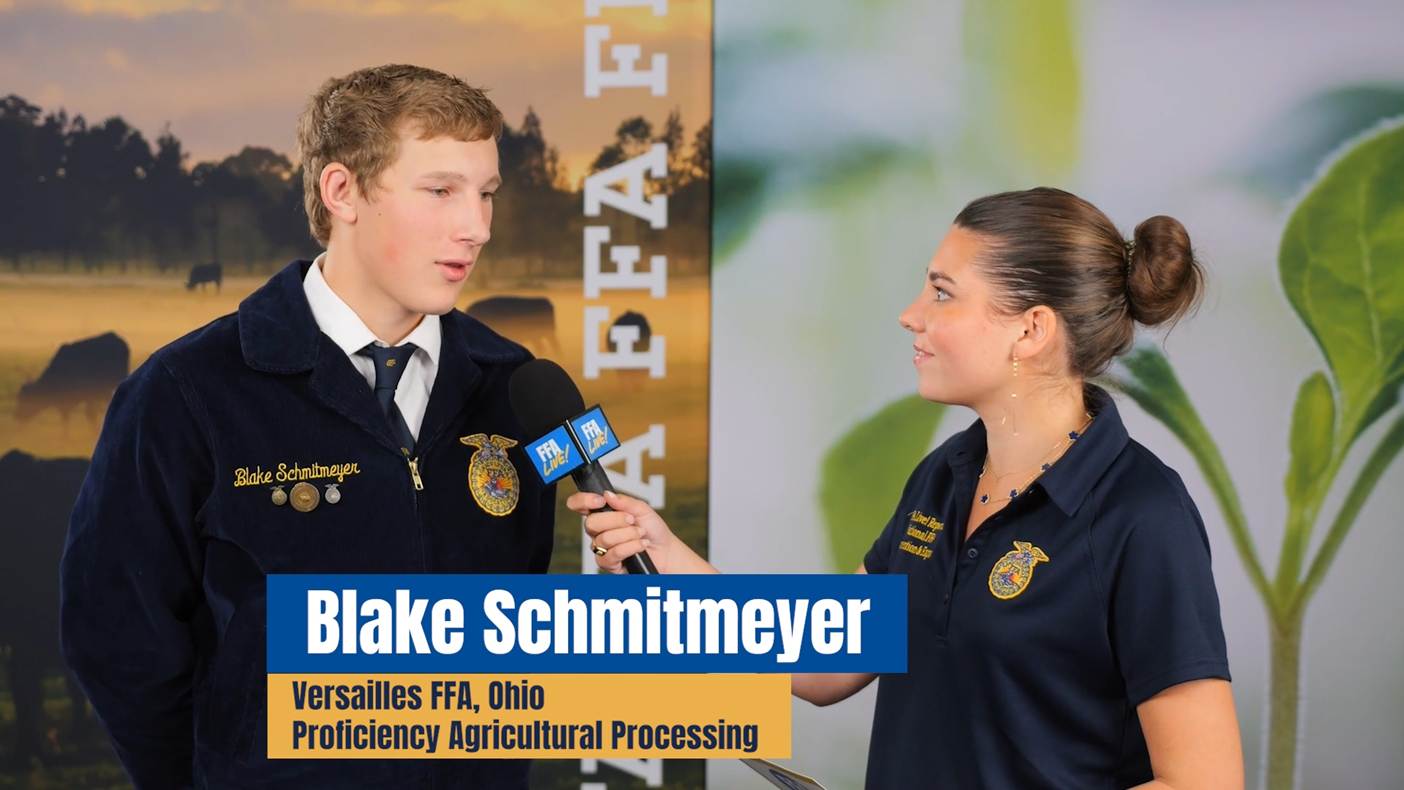
 “My advisors and family have always been truly supportive,” he says. His FFA advisors even toured the mushroom farm to understand his SAE firsthand—an extra step that empowered them to guide him more effectively.