At a recent grocery store visit, I overheard a woman ask the fishmonger if the salmon was “real” or “fake.” He paused. “It’s… farm-raised,” he said, uncertainly. In that one moment, the confusion and fear around seafood came into sharp focus. And it’s not just her—navigating the seafood aisle today feels like wading through murky waters.
That everyday confusion is a small reflection of a much bigger story. Sir David Attenborough’s new documentary, Oceans, pulls the camera back—way back—to show what’s really at stake.
Through sweeping visuals and urgent narration, Attenborough reminds us that the ocean is Earth’s life-support system, regulating climate, producing half of the planet’s oxygen, and providing a primary source of protein for over 3 billion people.
Why are we talking about this now?
The National Geographic documentary also exposes the mounting threats we’ve imposed: industrial trawling that scars the seafloor, coral bleaching from rising temperatures, fish populations collapsing under global demand, and plastic pollution infiltrating even the most remote ecosystems.
The numbers are staggering…
Nearly 90% of the world’s fish stocks are now fully exploited or overfished, and half of all coral reefs could disappear by 2050 if warming trends continue.
And every piece of seafood we buy—wild or farmed—ripples back into this crisis, for better or worse.
The film underscores the urgency of changing how we harvest food from the sea—but it also points to hopeful pathways. Marine protected areas (MPAs), responsible aquaculture, innovative technologies that reduce bycatch and improve sustainability, and global cooperation emerge as necessary solutions.
Attenborough’s message is clear: our choices as consumers matter. By choosing retailers and brands that prioritize sustainable sourcing, we help tip the balance toward recovery. The oceans can rebound—but the window for action is closing fast.
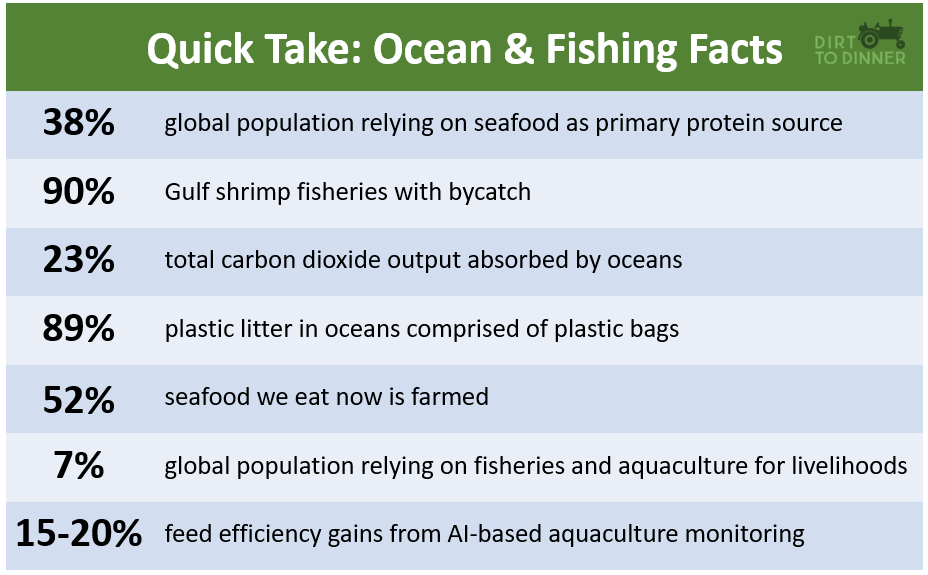
Sources for chart: Seafoodwatch.org, World Bank
Why the oceans matter
Imagine draining your fridge every night and expecting it to restock itself by morning. That’s how we’ve been treating the ocean. We’re no longer living off the ocean’s interest—we’re draining its life.
The oceans regulates our climate, feeds billions, and hosts over 80% of life on Earth. But pollution, and overfishing are pushing it to the brink. A 2022 FAO report confirms that over 35% of global fish stocks are overfished, compared to just 10% in the 1970s (FAO SOFIA 2022).
As Chris McReynolds, Managing Director at Oceanworks Group—who has worked across both wild catch and aquaculture for over four decades—puts it:
“The world’s oceans have been at full or over-exploitation since the early 1990s. And the only thing that’s changed since then is that the population has doubled.”
Wild & farmed working together
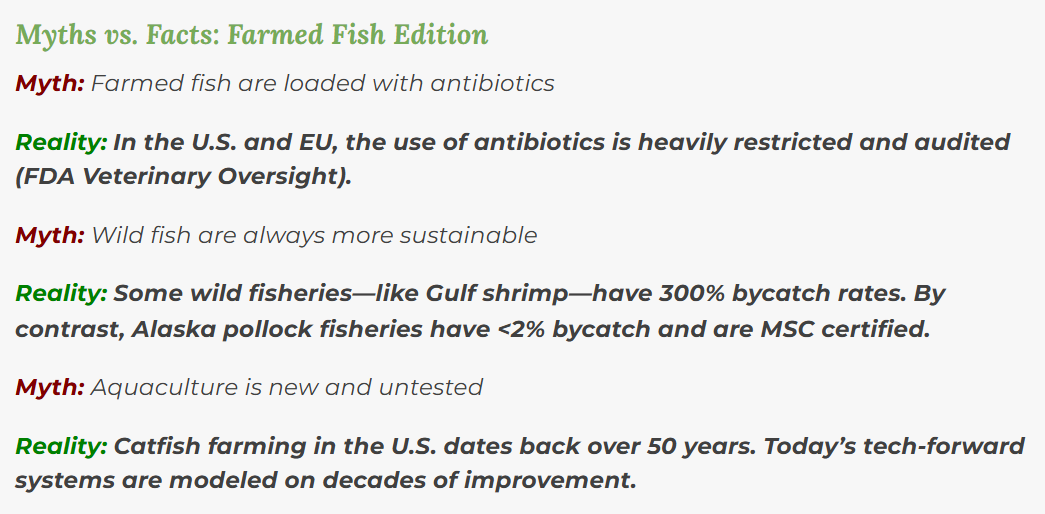
The debate over wild vs. farmed fish often gets emotional, but the reality is clear: the future of seafood depends on both wild-caught and aquaculture production.
The global seafood industry—both farmed and wild-caught—is highly fragmented, with wildly inconsistent standards. In some regions, poor working conditions, environmental contamination, and lax oversight persist. In others, strict rules govern human welfare, fish health, and environmental impact.
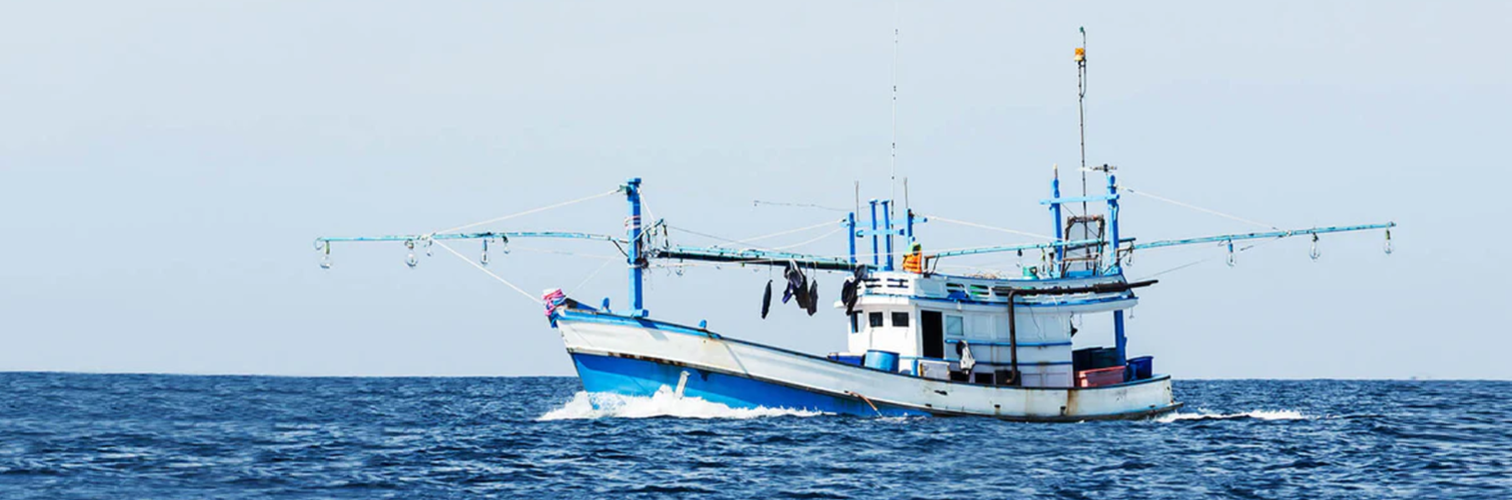
Take wild-capture fisheries: in some parts of the world, massive trawl nets scoop up everything in their path—targeted fish, turtles, sharks, and countless other creatures. The unwanted catch, known as bycatch, usually dies before being tossed back into the sea.
That shrimp cocktail you ordered? If it’s from the Gulf, it may come with a staggering 300% bycatch rate.
But not all wild fisheries are the same. Marine Stewardship Council (MSC)-certified operations must meet strict bycatch and habitat standards. In Alaska, for instance, pollock fisheries now use trawl nets with escape hatches for non-target species, cutting bycatch rates to under 2%.
Innovations in modern aquaculture
Aquaculture already supplies more than half the world’s seafood—and it will need to grow. The FAO estimates we’ll require 30 to 40% more aquatic protein by 2050 to feed the planet. While aquaculture has long been stigmatized, modern operations in Norway, Chile, and the U.S. are among the most tightly regulated in the world.

Today’s innovations are changing the game:
- Recirculating Aquaculture Systems (RAS): Filter and reuse water, slashing waste and pollution
- Integrated Multi-Trophic Aquaculture (IMTA): Combines fish, shellfish, and seaweed to create closed-loop systems that absorb waste and enhance ecosystem health
- Alternative Feeds: Algae- and insect-based feeds are reducing reliance on wild forage fish (Nature Sustainability, 2022)
- Shellfish and Seaweed Farming: Require no feed, filter surrounding water, and even sequester carbon
“In Japan and Europe, farmed fish is just fish,” says McReynolds. “They eat it daily, and they’re not dying. The fear is largely an American creation.“
When done responsibly, aquaculture provides year-round, stable protein with far less volatility than seasonal wild catches. It relieves pressure on overfished stocks, strengthens supply chains, and feeds growing populations. Wild fisheries, meanwhile, remain essential for biodiversity, cultural traditions, and ecological balance.
“It’s not about one or the other,” McReynolds adds. “They have to co-exist. We don’t need to pit wild against farmed—we just need to eat good fish and protect the systems that make that possible.”
Think of it this way: wild fish are like wildflowers—diverse, ecologically vital, and worth protecting in their natural habitats. Farmed fish are more like cultivated crops—carefully managed, scalable, and increasingly sustainable when grown the right way. We need both for a healthy, resilient future.
Tech on deck: The future of fishing
Technology is revolutionizing seafood production—and not just in theory. Today, it’s making real-time sustainability a reality on both farms and boats. Today’s smart fish farms are like underwater smart homes—outfitted with AI, sensors, and eco-engineering to keep every parameter in check.
Artificial Intelligence
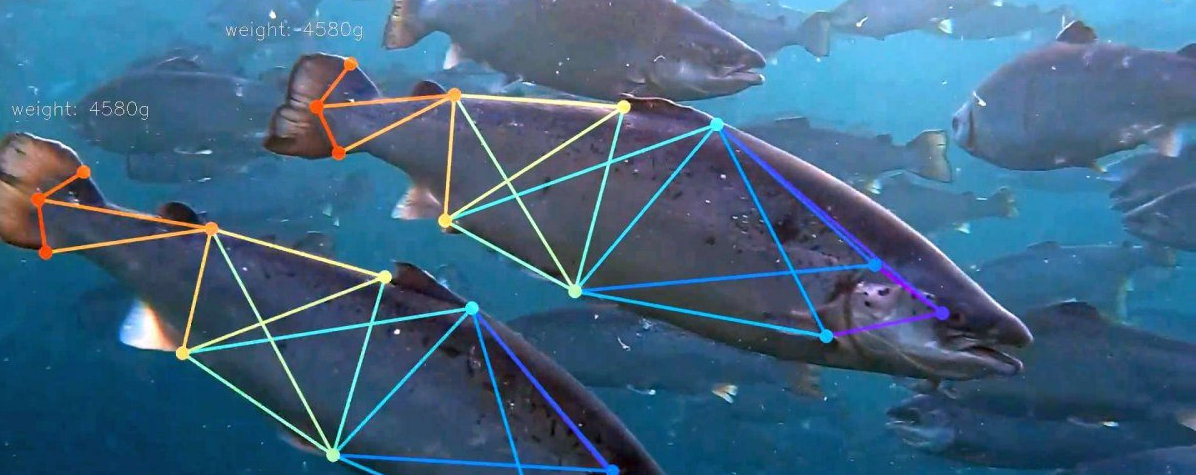
In aquaculture, AI is now used to monitor fish health, regulate feeding, and track water quality. Smart cameras and machine learning tools help detect issues like disease, parasites (such as sea lice), or oxygen depletion before they become crises. In Chile, farms equipped with AI sensors have reported feed conversion ratio (FCR) improvements of 15–20%—meaning less waste and lower environmental impact.
Smart tip: Shellfish like mussels are filter feeders—they actually clean the ocean as they grow.
Electronic Monitoring Systems
On the wild catch side, fisheries are increasingly adopting electronic monitoring systems (EMS). These include onboard cameras, acoustic sensors, and geolocation tags that allow vessels to track every net, every haul, and every species caught. Data is uploaded in near real-time to ensure compliance with quotas and protected areas. According to Global Fishing Watch, these technologies are being used to track over 65,000 vessels worldwide.
Satellite Systems
Satellite systems also play a crucial role in combating illegal, unreported, and unregulated (IUU) fishing. With high-resolution imaging and automatic identification systems (AIS), authorities can detect vessels operating in no-fishing zones or under false flags. Governments and NGOs now use these tools to enforce marine protected areas and respond faster to violations.
Did you know? AI is being used to track sea lice, detect fish with injuries, and reduce overfeeding in aquaculture.
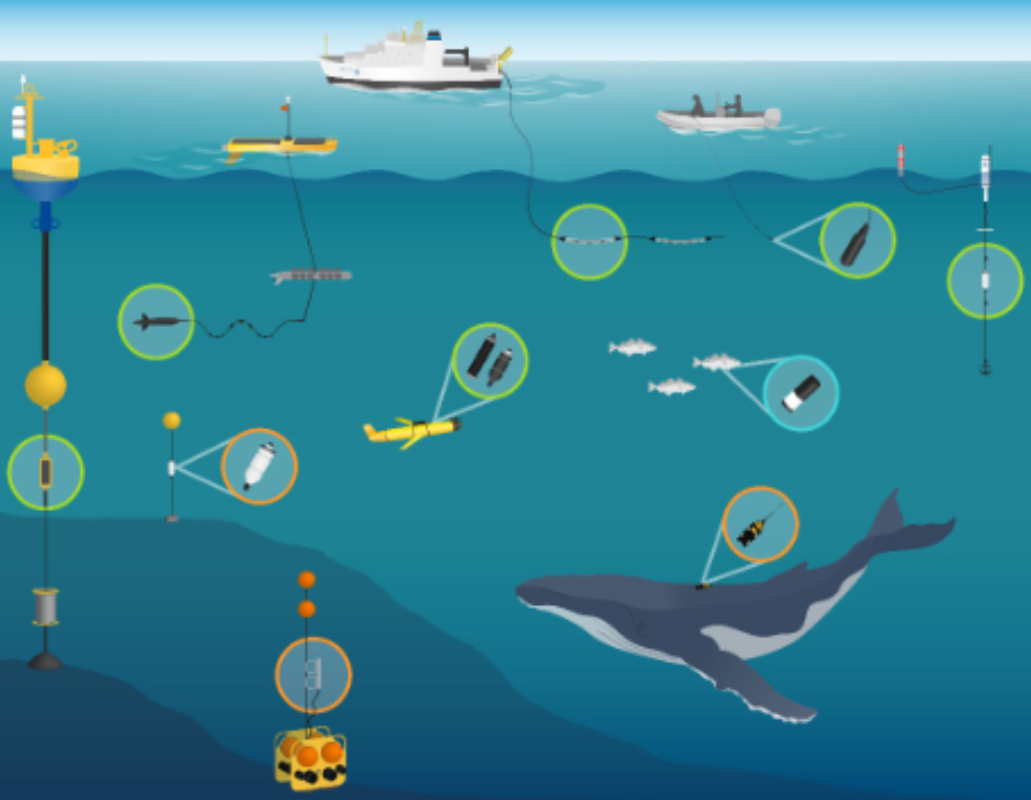 These technologies don’t just reduce environmental harm—they also improve operational efficiency.
More precise tracking means less fuel burned, less wasted effort, and more sustainable margins for producers.
When combined with better data sharing, predictive modeling, and blockchain for traceability, tech-enabled seafood becomes not just better for the planet—but better for business.
“AI can process things the human eye can’t,” McReynolds says. “It’s changing the game.”
Who to trust: Leading seafood retailers
Not all seafood counters are created equal. Where you shop can be just as important as what you buy.
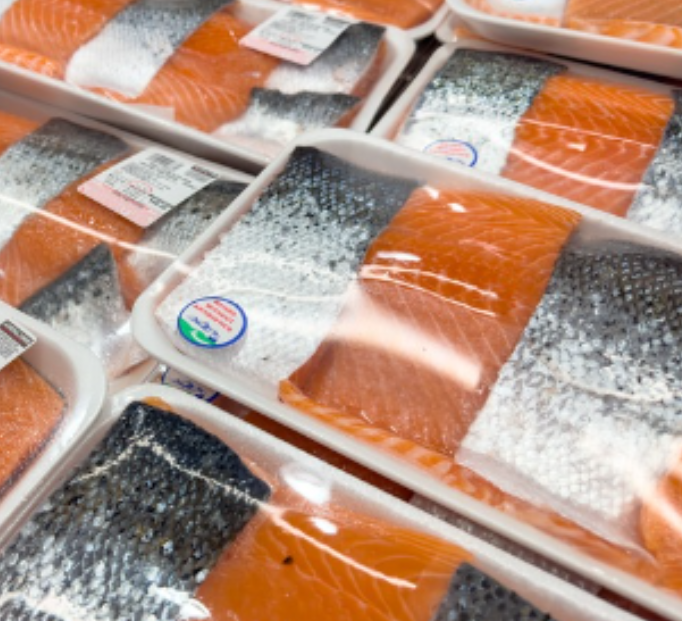
Some retailers have made sustainability a core part of their sourcing strategy—vetting suppliers, auditing traceability, and prioritizing eco-labels so that you don’t have to decode everything yourself.
Costco, Walmart, Whole Foods, and Sainsbury’s have made significant investments in sustainable seafood.
These companies work with third-party certifiers like the Marine Stewardship Council (MSC), Aquaculture Stewardship Council (ASC), and Best Aquaculture Practices (BAP) to ensure their seafood meets rigorous environmental and ethical standards.
Behind the scenes, trusted retailers are asking tough questions on your behalf:
- Where and how was this fish caught or farmed?
- What’s the feed made of?
- Are workers in the supply chain treated fairly?
- Is the product traceable to its origin?
Don’t overlook store brands. Kirkland Signature at Costco, for instance, is often certified and traceable, thanks to the company’s strict supplier standards. Walmart has committed to sourcing 100% of its fresh and frozen seafood from sustainable sources, adapting its strategy across global markets to meet local challenges.
In short: when you choose a retailer that takes sustainability seriously, you’re casting a vote for better oceans—every time you shop.


 Interested in learning more?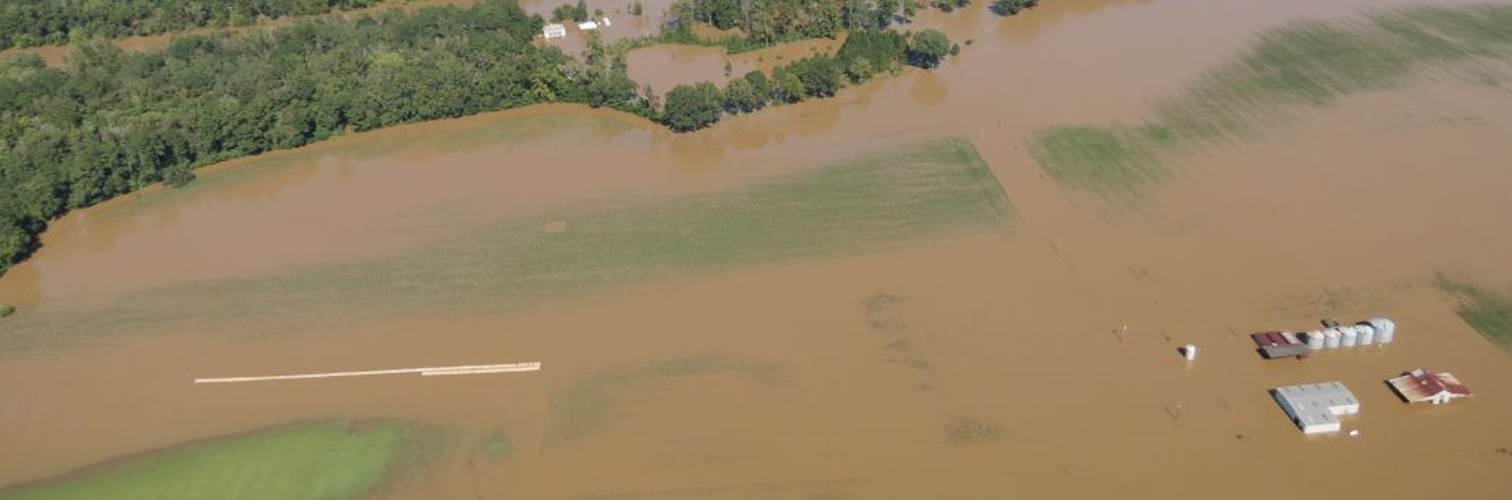
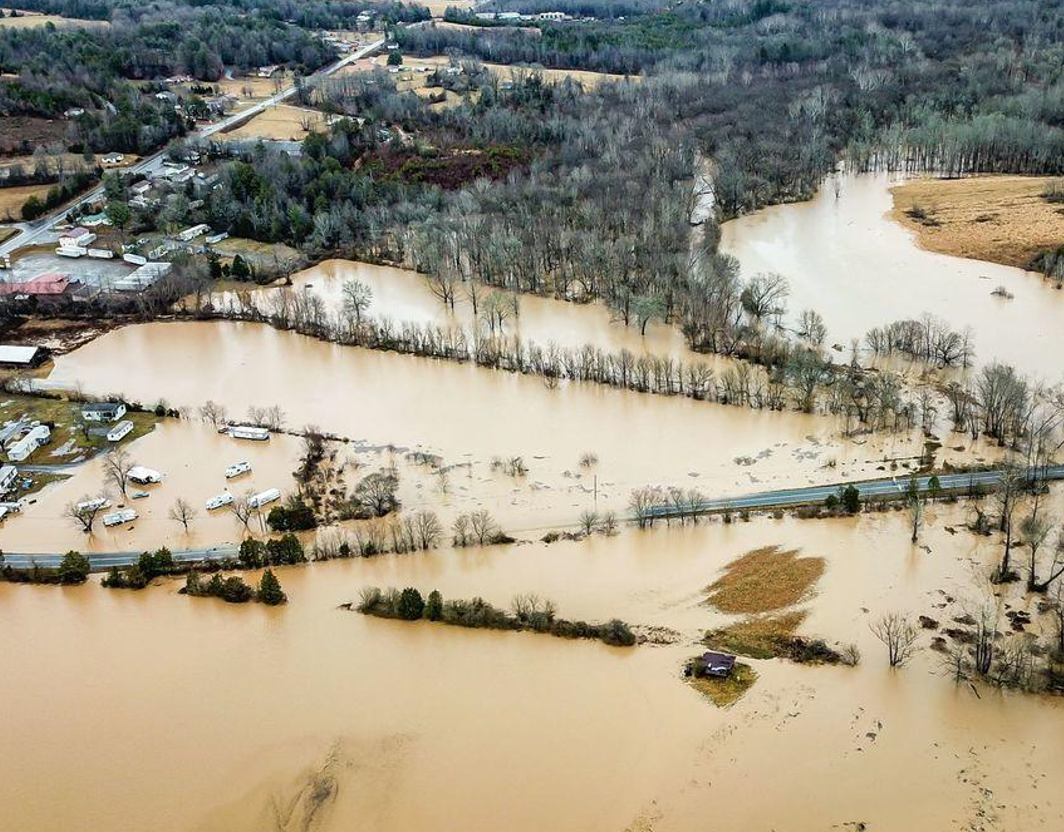 My part of North Carolina was hit especially hard, with epic flooding and devastation that simply wiped away many of the small towns here and left cities like Asheville reeling from destruction almost beyond description. The photo on the right shows Helene’s impact on my hometown.
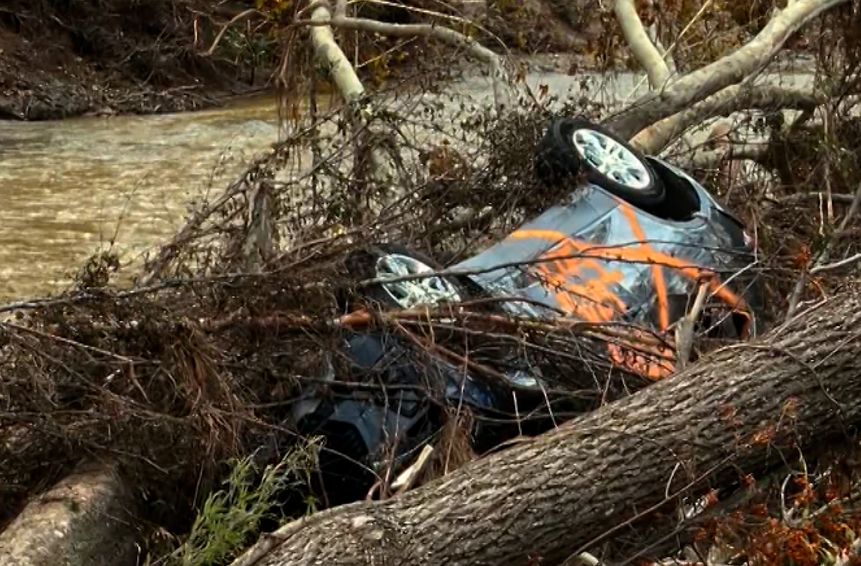
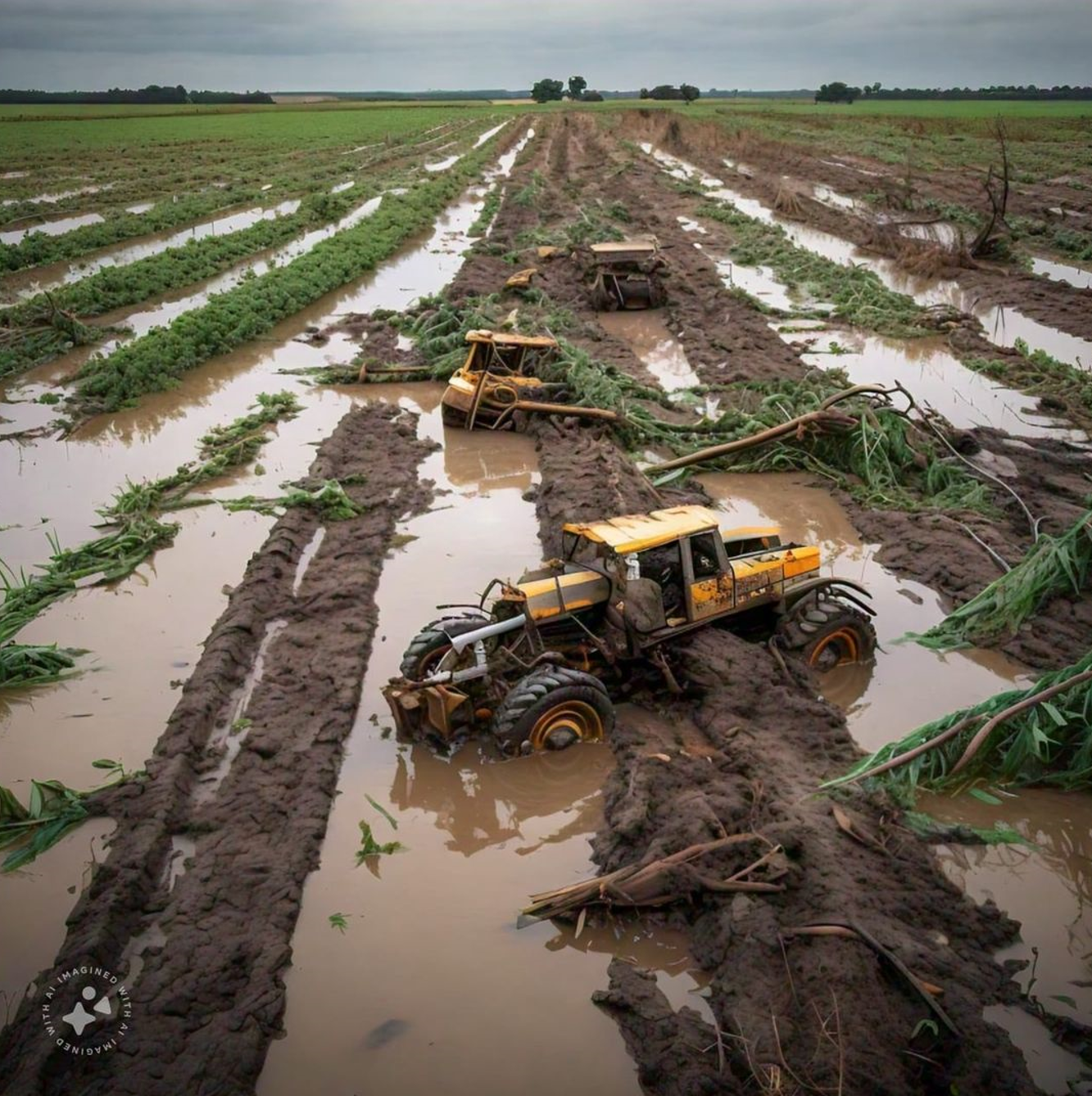

 We’re still without our long-overdue

 Moving to vehicles not dependent on fossil fuels is a noble objective. But once again, the reality is that such a transformation in a system as large as the U.S. food system will be an expensive proposition. The more rapid the required conversion, the higher the risk of short-term adverse effects on the producer bottom-line.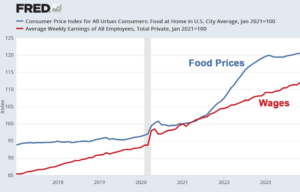


 Wildfire smoke is a devil’s brew of harmful ingredients – carbon monoxide, polycyclic aromatic hydrocarbons, water vapor and various particulate matters. As fires burn, these substances rise in the air, driven upward by heat, finding prevailing winds aloft capable of carrying them thousands of miles.
 The scientific community continues to explore the question of the relationship between exposure and lasting health damage.




 Food waste occurs due to many reasons—spoilage, issues during drying, milling, or transporting, processing that exposes food to damage and equipment malfunction.
 A consumer report from Mintel detailed that the acceptance of

 The latest data from the Bureau of Labor Statistics (BLS) pegs the annual inflation rate for food running at 6.8%.
 Concern with global warming accelerated during 2021, from the halls of international organizations and national governments all the way to the farm gate.
 Department of Agriculture projections for FY2021 indicate
 2021 helped drive home an important truth: farming is a technology-dependent activity. Better technology can offset labor issues and enable the better productivity and operational efficiency critical to solid bottom lines.
  Joey Chestnut routinely grabs headlines when he wins the annual July 4th Nathan’s Hot Dog Eating Contest. This year was no different when the 37-year-old American scarfed down 76 hot dogs (and buns) in 10 minutes to win for the 14th time in his career. Less noted: Women’s champion Michelle Lasco managed to down 30 and ¾ hot dogs in the same time span. Yup, together that’s nearly 100 hot dogs in 10 minutes. It’s also close to 29,000 calories – or over 10 times the daily caloric intake of the typical person. Is this a great country, or what?
 A Brazilian cow, unhappy with its prospects as a future delicious dinner, escaped and sought safety in a nearby water park, where it managed to take one last fling at fun by sliding down the park’s lengthy waterslide into the cool and refreshing pool below. Officials reportedly denied the fun-seekers request to “do it again, do it again…” but the happy animal was given a consolation prize of spending the remainder of what we all hope will be a long and happy life courtesy of a kind-hearted rancher 500 miles west of Rio de Janeiro. And BTW, the cow’s new name: Toboga, Portuguese for “waterslide.”
 The fine folks in Austin, Minnesota, for years, have enthusiastically observed the glories of the pork delicacy SPAM, with parades, cookouts, and sundry celebratory events. Dirt to Dinner actually has attended this august event and can honestly report it to be one of the finest examples of true Americana anywhere. But we also must note that word has spread about another “Spam Jam” – this version found on Waikiki in Hawaii, where 7 million cans of Spam are consumed each year as a self-proclaimed “cultural tradition.” Cans of the pork delicacy are donated to local food banks if that helps explain the event’s real allure. Let’s ALL go…
 The film is well-intentioned. It covers core global issues we currently face across nine defined boundaries. It highlights the importance of individual action and response.
 It is vital to offset the carbon we will inevitably emit (at least to some level).


 Similar to the


 An elementary step we can make at home is reusing water bottles. It seems obvious, but the cumulative statistics are staggering.


 Drought affects both crop and livestock production, obviously. Dealing with the problem poses different sets of problems and issues for both.


 AgMission thinks so. If all the farmers in the United States adopted soil-smart farming systems such as no-till, cover crops, rotational grazing, manure management, methane-reducing animal feed, and variable-rate fertilizer application, then the soil would be healthier and more carbon would be pulled from the atmosphere.


 While the focus on climate change comes as no surprise, the farm community anxiously awaits some sign of the approach to be taken. Farm leaders urge policymakers to think in terms of carrots rather than sticks. That is, they note that the farm community by and large is supportive of the broad effort to act responsibly on matters that affect the climate, and the environment.
 Continuing economic challenges from the pandemic, coupled with a generally more ambitious agenda of government initiatives, mean an almost certain review and revision of tax laws. It will likely involve examining a range of tax policies, including capital gains, gift taxes, inheritance taxes, accounting rules, and more.


