This is one of those moments where geopolitics quietly reshapes what we pay at the grocery store.
The conflict in Iran has many facets beyond a simple military battle. What is happening in the Middle East has economic consequences that stand to have an immediate and perhaps lasting effect on all of us, around the world. We’re facing higher prices for our energy and thus our food, as well as a substantial disruption to normal trade patterns.
The Immediate Problem – Trade Flows from Oil to Food
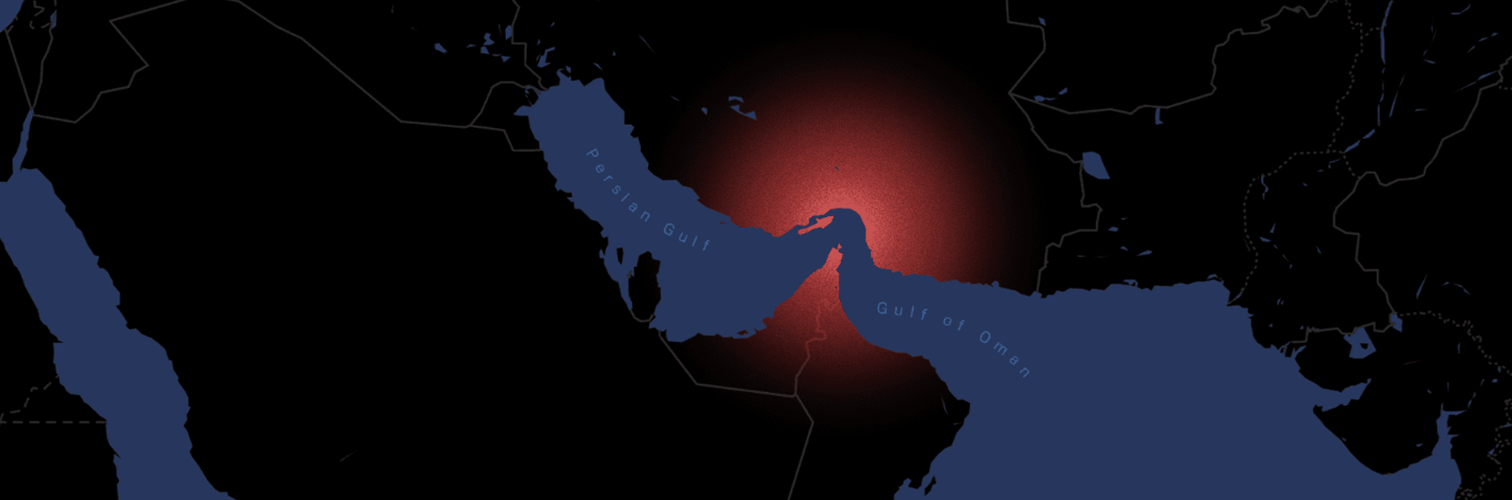
The location, the Strait of Hormuz, has become part of our daily lives of late. A narrow, 33-kilometer-wide waterway connecting the Persian Gulf to the Arabian Sea is the backbone of Middle East trade. Wheat, corn, rice, soybeans, sugar, and animal feed all flow into the Middle East through the Strait, and oil and fertilizer flow out to support global farming.
If the Strait slows, the world doesn’t just lose oil; it loses the inputs that make modern food production possible. The Strait is a critical waterway to the world for a variety of nations – Saudi Arabia, Kuwait, Iraq, the United Arab Emirates, and notably. Shipping has halted because of attacks, mines, and soaring insurance costs. This slows or blocks food and oil imports and exports while raising global transport costs.
All Roads Lead to Oil
However, energy dominates the trade flows.
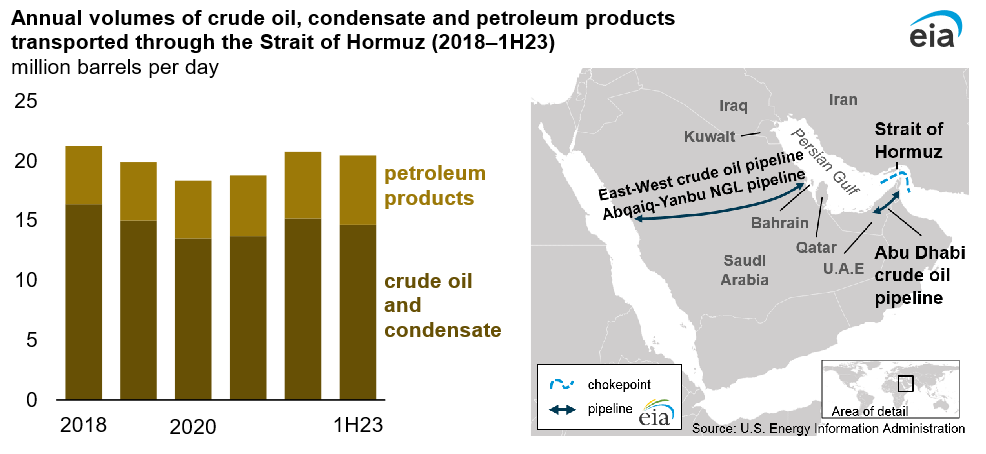
Approximately 27% of global oil, 20% of liquified natural gas, and about 25% of global fertilizer is exported through this channel. The natural gas from Saudi Arabia is used to make fertilizer, which in turn is used for corn and wheat in the U.S. and then exported back to the Middle East. It is a circular situation.
It’s a substantive reminder of just how critical this passageway is to anyone who likes to stay warm in winter or have food on the table. The entire world has a stake in assuring the free flow of goods through these waters.
Food Insecurity
But for the United States and our food system, the value chain doesn’t stop there.
The importance of the Strait of Hormuz to the U.S. extends beyond the traditional concept of petroleum.
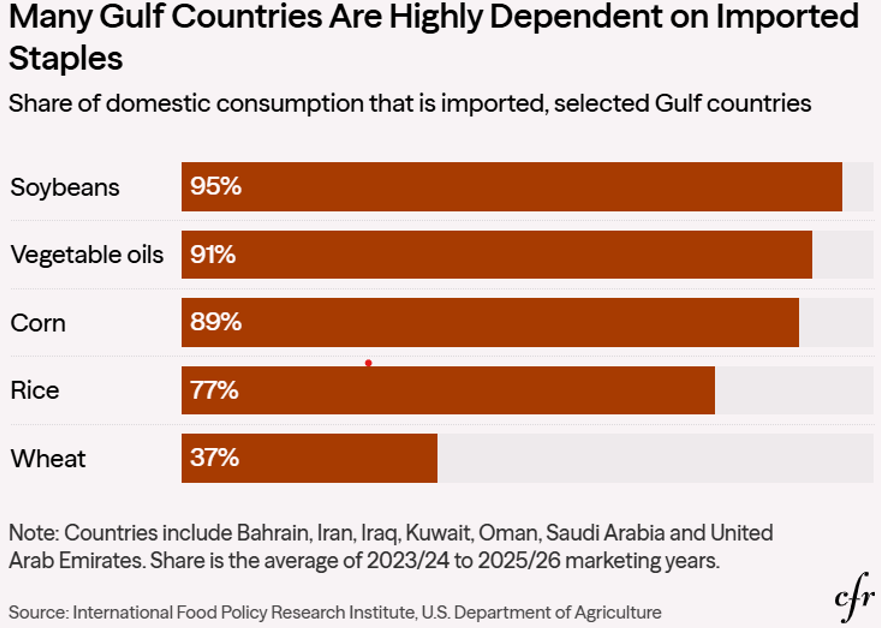
Arabian Gulf nations rely on imports of grains and oilseeds for their food needs.
Saudi Arabia, for example, imported roughly 14 million metric tons of grain each year, from 2016 to 2022.
Ukraine exported about 17 million metric tons of corn and wheat through the Black Sea corridor in 2022 to 2023.
Fertilizer for Farming
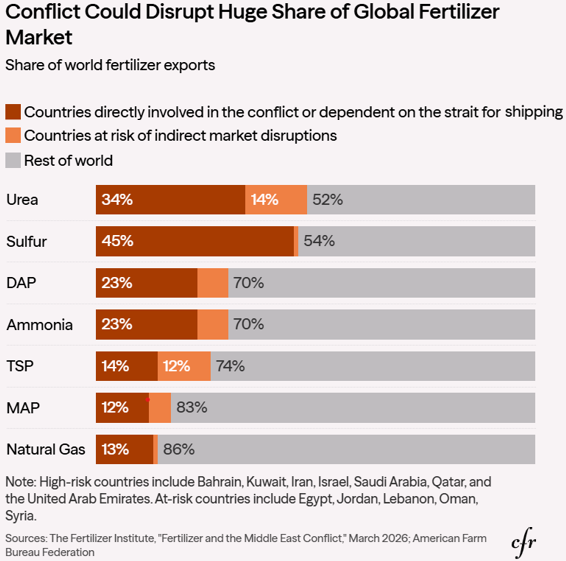
Fertilizer is not optional, it underpins roughly half of global food production. When it tightens, food supply follows. The Strait is a major pathway for imports of products critical to our fertilizer needs – not just the natural gas needed to produce nitrogen fertilizers but also phosphates and sulfur, and half of all global urea exports.
Fertilizer production is also energy intensive, so higher natural gas and oil prices further reduce supply.
About half of global food production depends on fertilizer, meaning shortages today can translate into smaller harvests months later.
The larger spoken worry so far in agricultural circles centers on the flow of essential nitrogen, phosphorus, and sulfur to make phosphorus. The Middle East supplies over one-third of all global nitrogen fertilizer, according to the American Farm Bureau.
As supplies are choked off, farmers face substantially higher prices for this essential input in modern farming. Another key fertilizer ingredient is phosphorus, where the Gulf countries produce about 20% of the global supply.
A critical question will be how much of the U.S. farmer fertilizer was priced before the conflict and how much product is available as the conflict continues over time.
The Implications for the U.S. Food System
U.S. food prices are likely to rise modestly but persistently, not because America lacks food, but because energy, fertilizer, and transportation costs have jumped due to the conflict. The impact shows up first in gas and freight, then in meat, grains, and processed foods, and later in produce and dairy if fertilizer shortages persist.
For farmers alone, when the cost of their diesel fuel goes up by 20% right before spring planting, that eats into their already slim margins. The relationship between diesel prices and farm profitability shows the vulnerability of farmer income, especially today, with a 20% increase in diesel prices. A farmer attempting to maintain profitability must either absorb these costs or attempt to pass them along to buyers. Which depends on the crop, and the buyers, might not be feasible.
Higher energy costs obviously will spread through almost every segment of our food value chain. Modern food systems rely heavily on fuel—for tractors, irrigation, refrigeration, processing, packaging, and transport. As oil prices surge above $95 per barrel following the conflict, these costs began feeding directly into food prices.
Fertilizer prices will spike, but it might take a season of farming for the impact to be felt at the grocery store. Corn, wheat, soybeans, and animal feed are fertilizer intensive. Higher farm input costs reduce profit margins. Finally, farmers eventually raise prices or reduce output.
This effect takes months, meaning grocery prices may continue rising even if fighting slows.
Meat, dairy, and eggs are especially vulnerable because livestock producers are hit with higher fuel costs and higher corn and soybean prices to feed their animals and birds. Animal feed accounts for 50–70% of meat production costs, so increases there ripple quickly into beef, poultry, dairy, and egg prices.
The U.S. can expect that chickens and eggs will have faster price increases because it doesn’t take as long to grow them. Beef and dairy will have a slower but longer-lasting price increase.
Escalation Around the Strait of Hormuz
The situation has recently escalated further, with the Strait of Hormuz effectively restricted and at the center of a high-stakes standoff. President Trump has threatened to strike Iranian power infrastructure if the waterway is not reopened, while Iran has responded by warning it would fully close the strait and target energy infrastructure across the region if attacked.
The result is a rapidly intensifying cycle of threats and retaliation, with commercial shipping already disrupted and energy markets reacting immediately. Oil flows through the strait—responsible for roughly 20% of global supply—have been significantly constrained, pushing prices higher and increasing volatility across global markets.
In other words, this is no longer a hypothetical risk—the disruption to energy and trade is already underway, and the downstream effects on fertilizer, transportation, and ultimately food prices are now in motion.
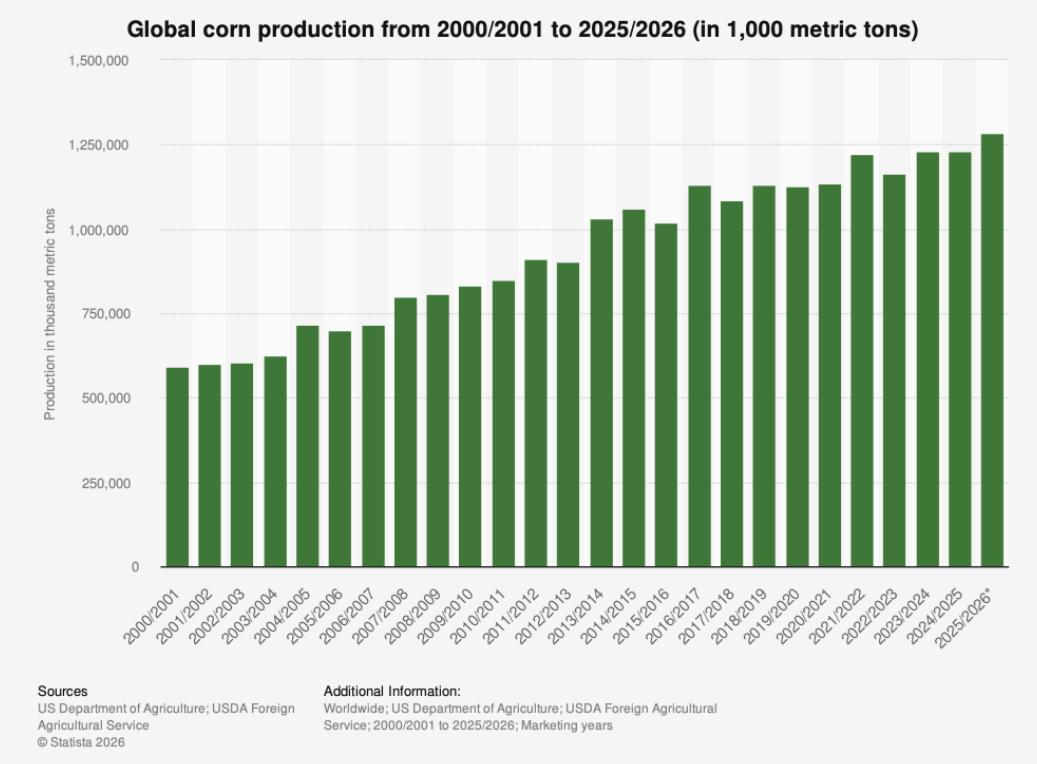
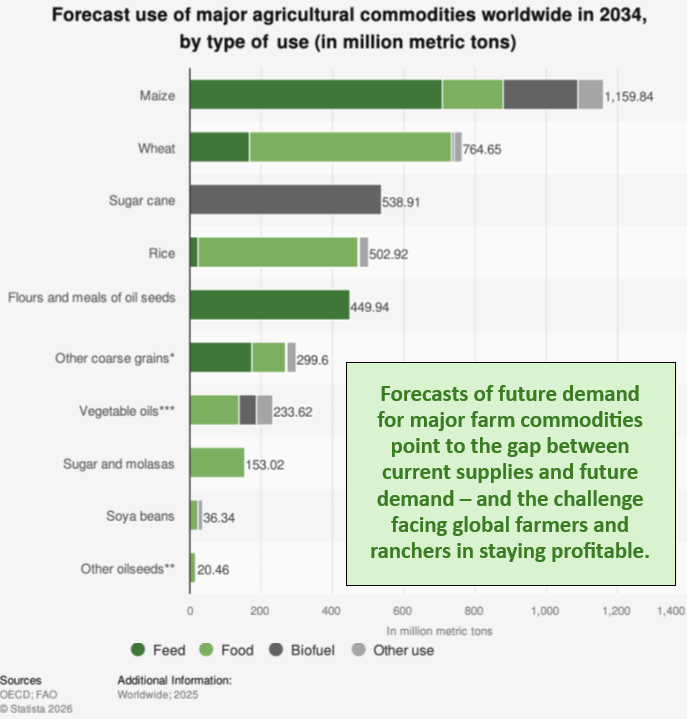 That is, if the price available in the marketplace falls too far, farmers turn to other crops, helping restore a closer balance in supply and demand over time. The same government and private market outlook
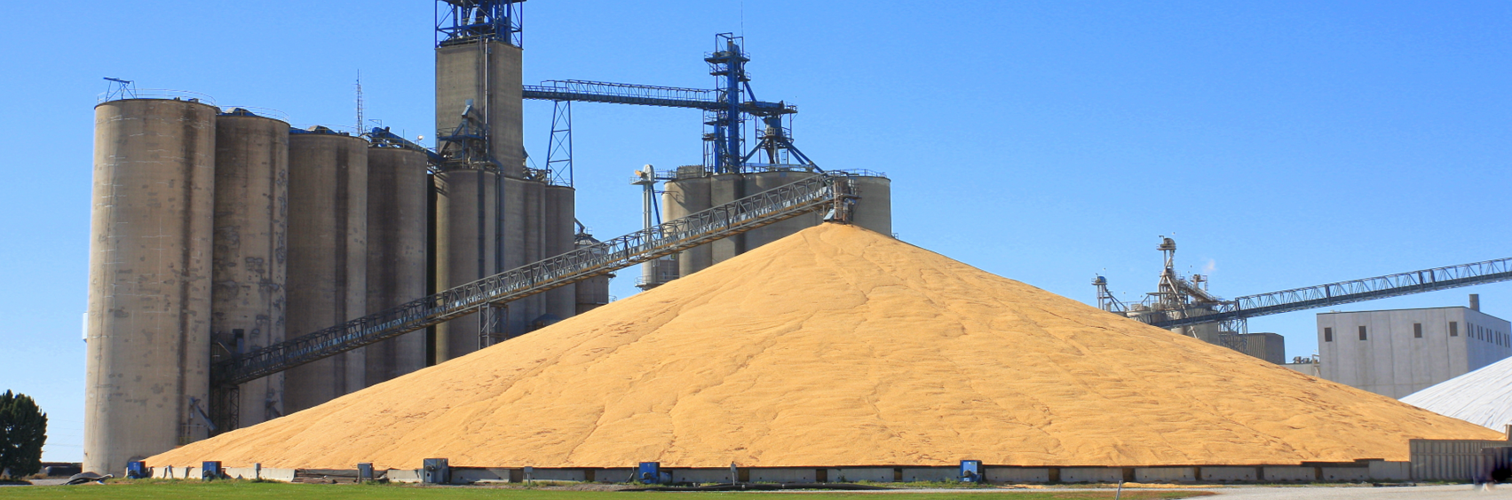
  Imagine the largest structure you can. I immediately thought of the old Louisiana Superdome (now Caesar’s Superdome) – at 3.3 million cubic feet, the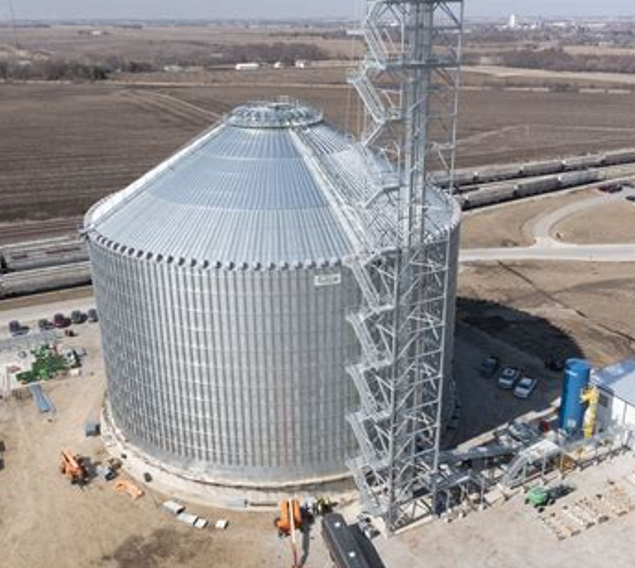
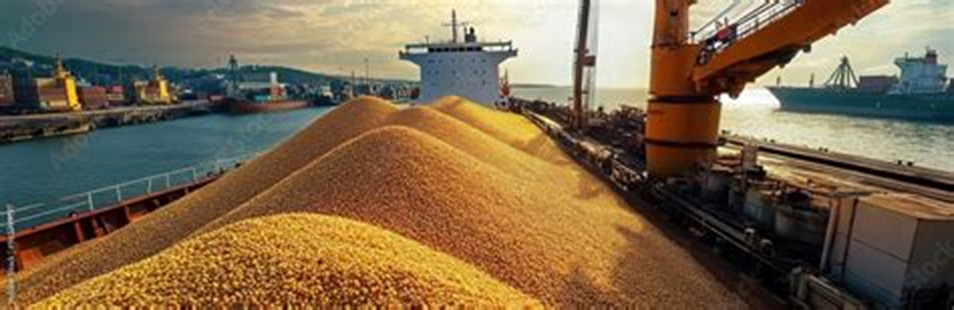
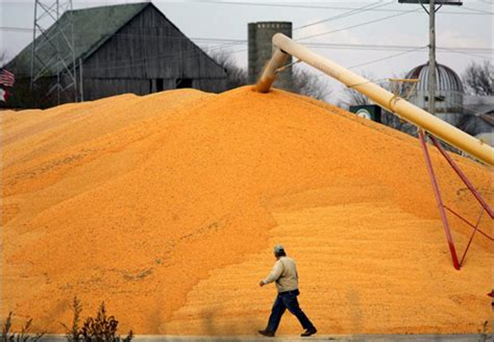
 Imagine Grandma dragging her ton of corn off the front porch and into the house.